Philosophy
Designing lived environments, where space is structured by use, perception and time.
The First Impression
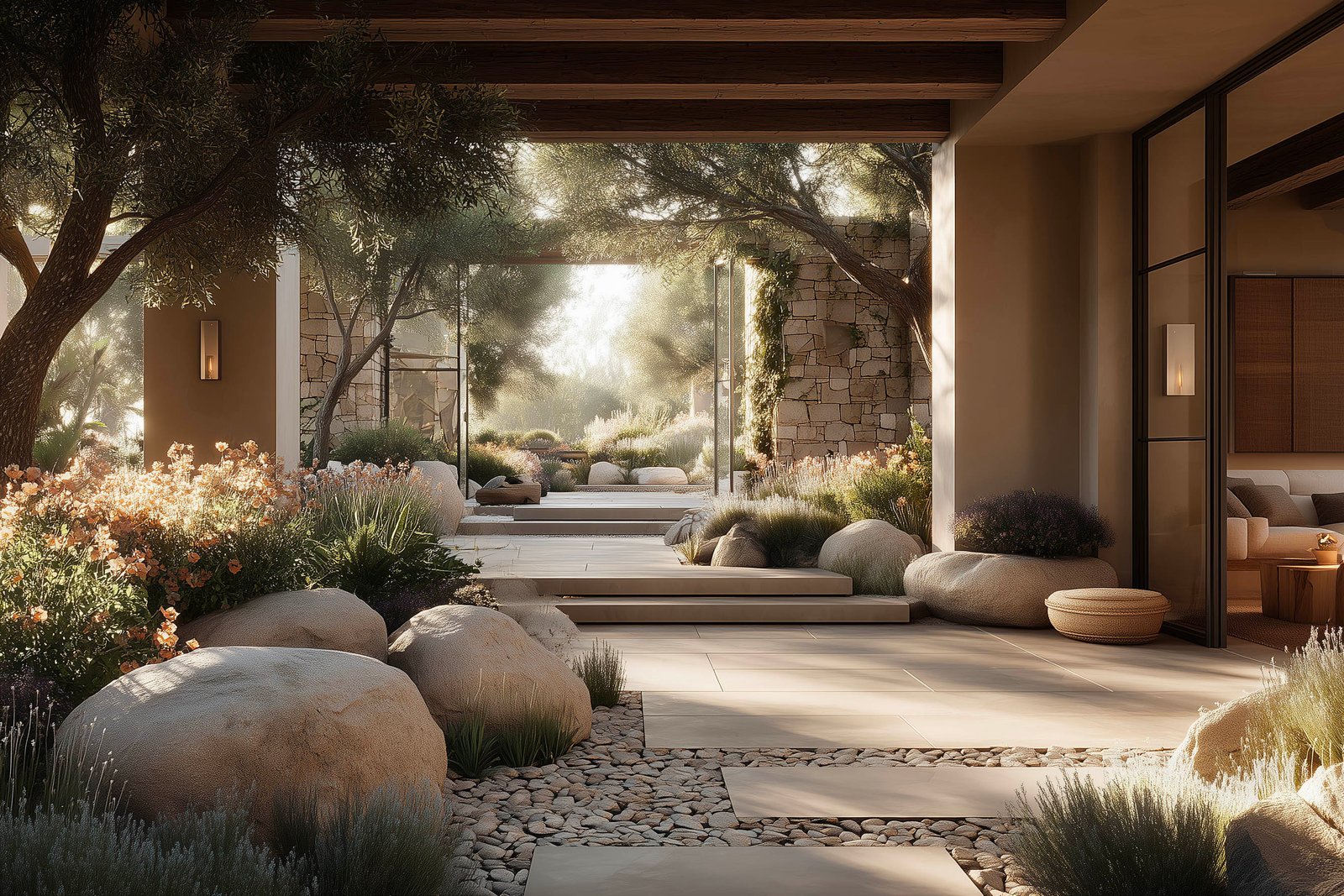
Every place speaks — often within the first few seconds. Before any analysis, before plans or drawings, there is an immediate perception: a direction, a posture, a silence, a light, a tension or a calm.
At Paracelsus Gardens™, each project begins with this first impression. Like any meaningful encounter, the essence of a place reveals itself instantly. Architecture, history, perspectives and light form this initial reading. Technical constraints follow — they do not lead.
Origins & Experience
Paracelsus Gardens™ was born from nearly three decades of experience in luxury real estate, residential development and the design of environments intended to host and shape use — from Paris to the French Riviera.
Living and working in places where architecture, landscape and lifestyle are inseparable shaped a clear conviction: spaces are not meant to be admired only — they are meant to be lived. The plant world and outdoor environments are never accessories: they fully participate in daily experience.
This approach was refined through a first establishment in California, where a European project culture met contemporary uses, before returning naturally to Europe — enriched by this experience and adapted to market expectations. This trajectory shaped a deep understanding of the needs and evolutions of an international, demanding clientele, attentive to the quality of places as much as to their ability to accompany ways of living over time.
A Changing Definition of Luxury
Luxury today is no longer defined by scale or display. It is defined by atmosphere, calm and the quality of lived experience over time.
The most refined environments do not seek to impress. They stand out through the precision of choices, the coherence of the whole, and the quality of the experience they sustain. Luxury appears naturally — not as an effect, but as the result of mastered design attentive to uses, rhythms and atmosphere.
Outdoor spaces become immersive environments capable of accompanying daily life while transforming it. They install a lasting spatial and sensory resonance, grounded in the justness of use, the quality of atmospheres, and continuity through time.
Designing Spatial Sequences, Not Gardens
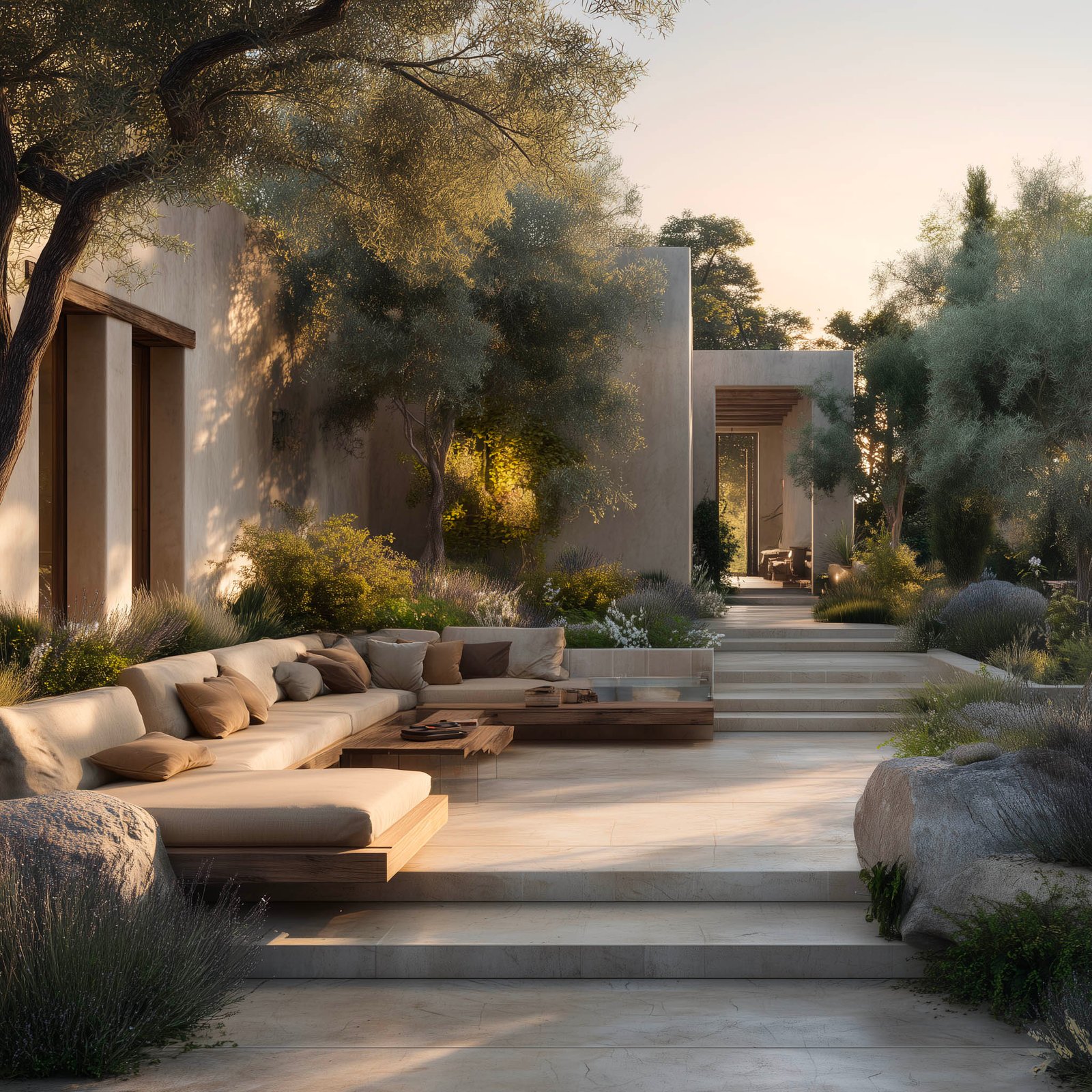
At Paracelsus Gardens™, gardens and planted environments are never conceived as autonomous compositions. Whether outdoors or within architecture, planted spaces are designed as spatial sequences, intended to structure uses, guide movement and accompany the way places are lived.
Each project is conceived as continuity, without rupture between inside and outside. The spatial sequence unfolds through fluid transitions — thresholds, breaths, anchoring points — where plants accompany uses and pathways.
Present outdoors as well as within architecture, the living is not only to be seen: it is lived, perceived through movement, light and everyday rhythms. It becomes a sensitive link, structuring space without interrupting it.
Designing coherent spatial sequences requires a fine reading of place, use and possible transformations over time. Each decision — placement, rhythm, density, opening — engages the overall balance of the project.
This is precisely where Paracelsus Gardens™ operates: guiding upstream thinking, structuring a clear intention and preserving coherence across decisions. A design and advisory approach, where the plant becomes a structuring language, serving spaces that are just, legible and durable.
From Philosophy to Method
This philosophy is not theoretical. It takes form through a precise approach developed over years — a method rooted in observation, listening and the logic of living systems.
From reading the place and defining intention, to orchestrating botanical structures, materials, light and time, each project follows a coherent process designed to evolve with those who inhabit it.
Discover the Paracelsus Gardens™ MethodLiving Chapters of a Botanical Grammar
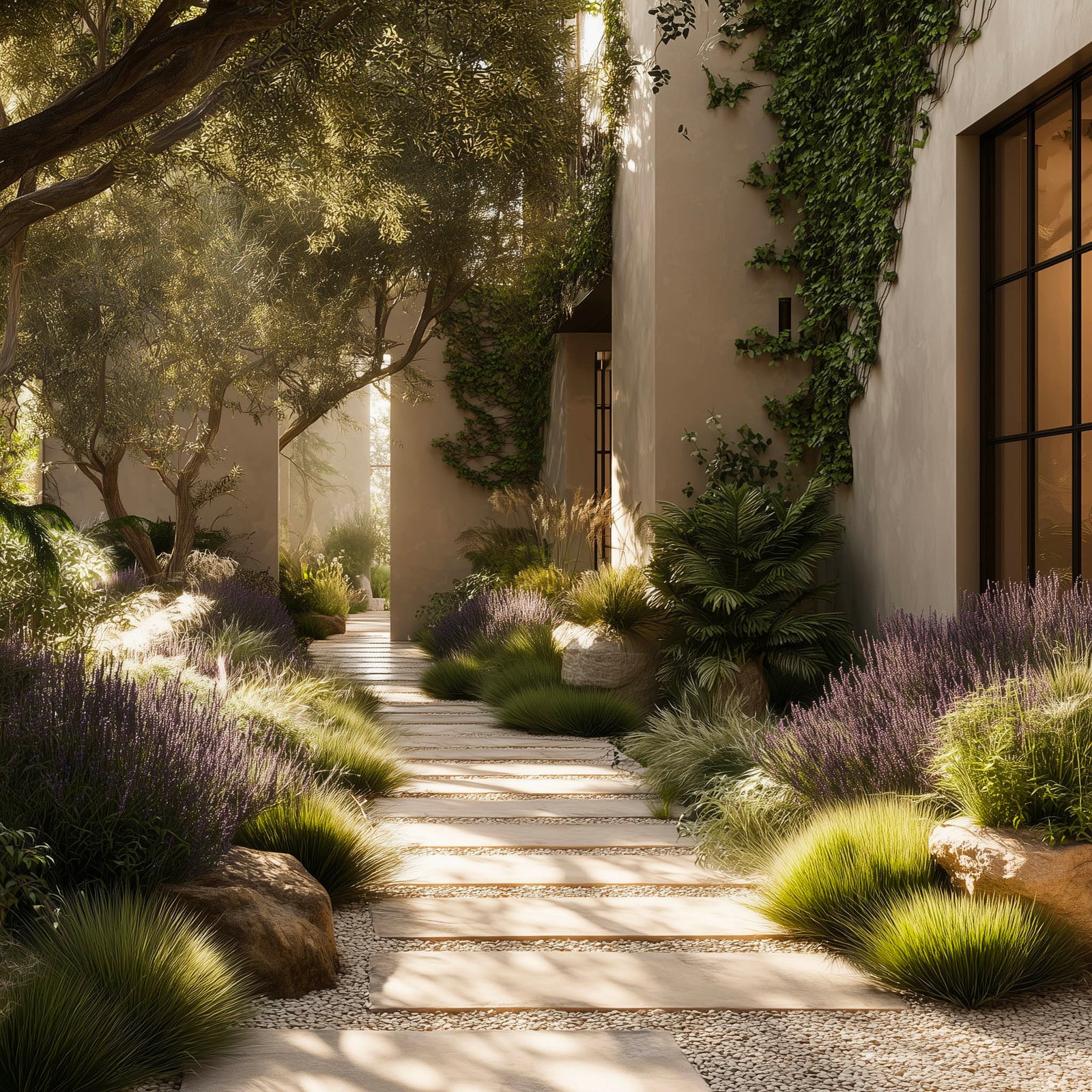
Plants as living intelligences — active forces shaping space, movement, atmosphere and inner states.
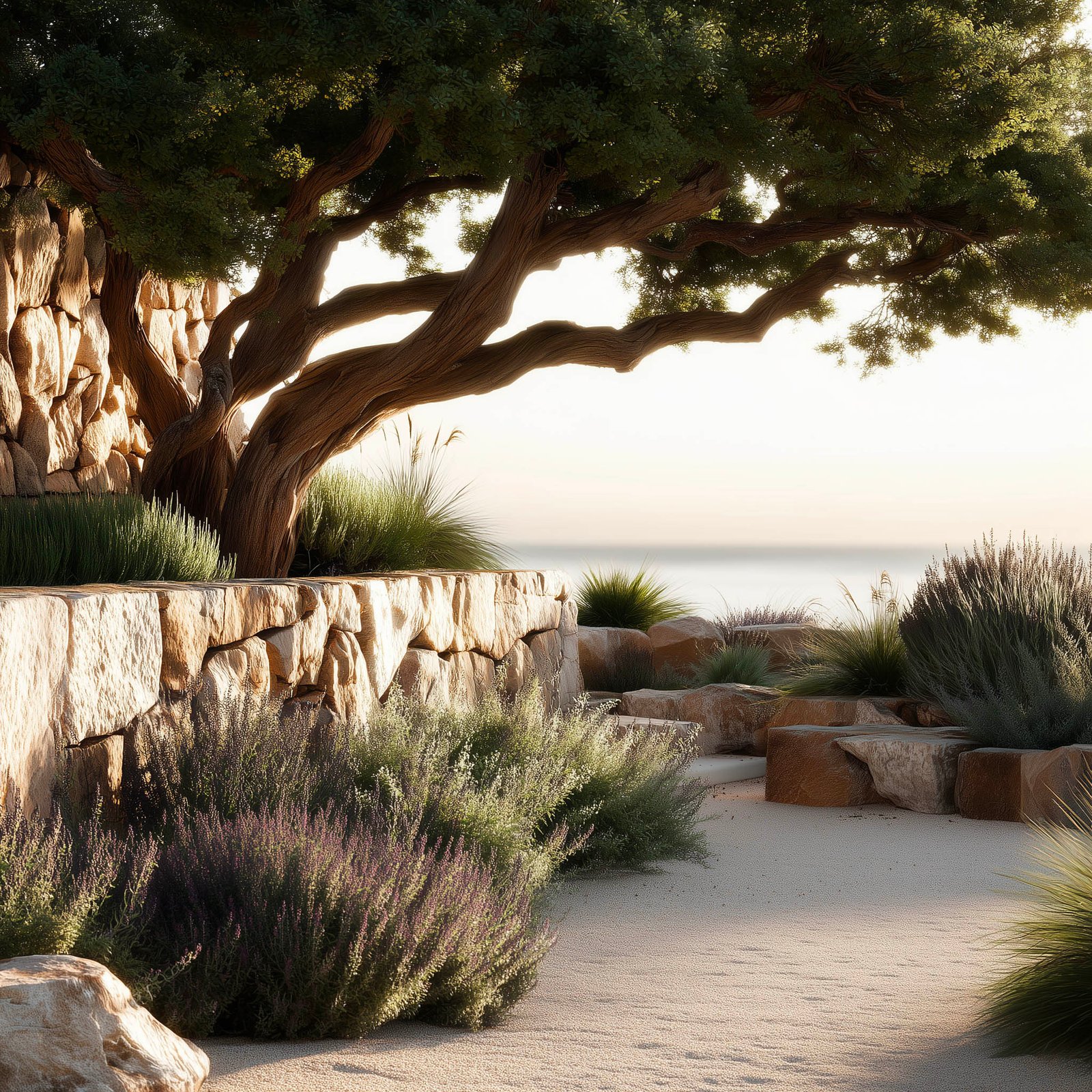
Engaging the senses with precision and restraint — in service of calm, focus and presence.
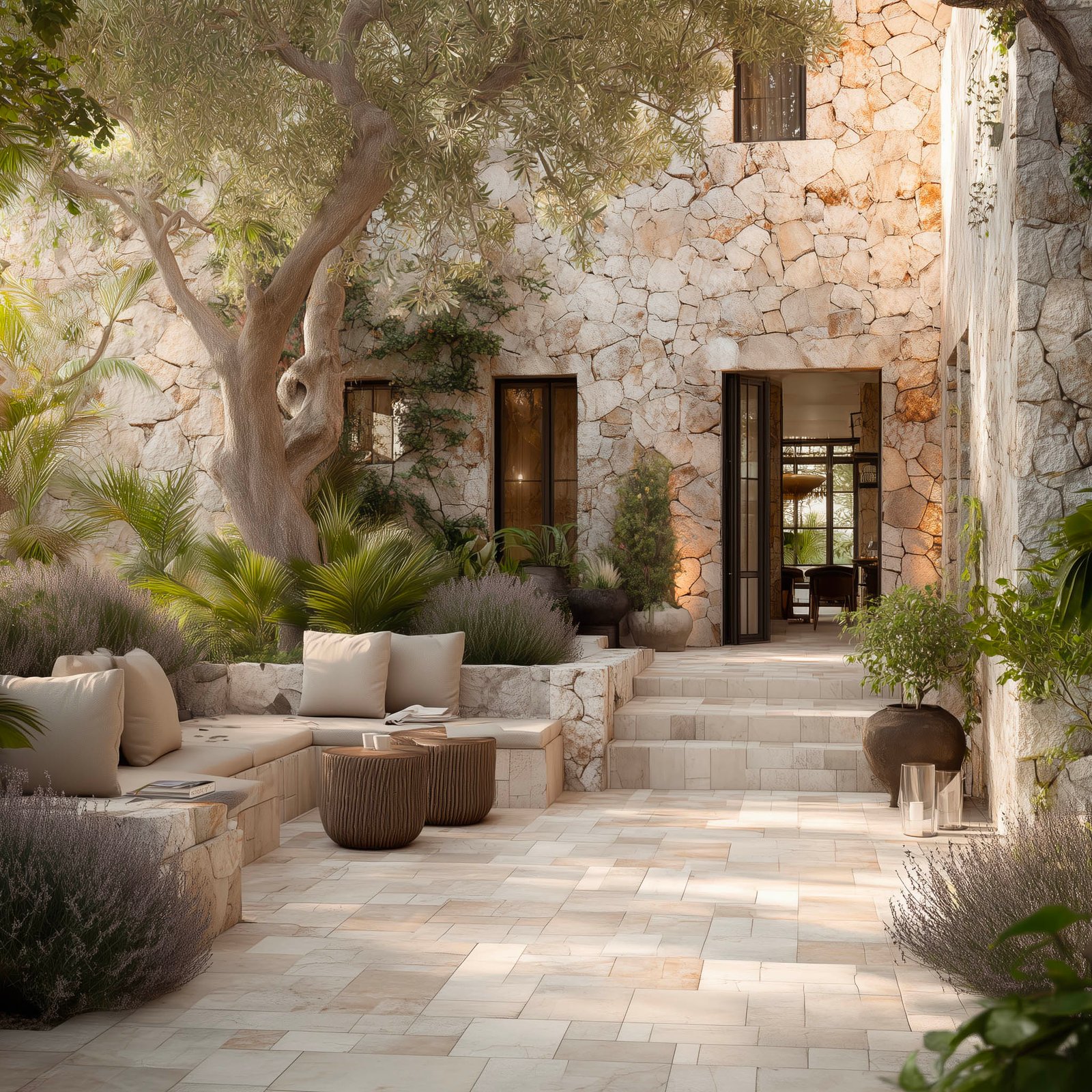
Harmony through scale, rhythm and balance — connecting architecture, the living and the body over time.
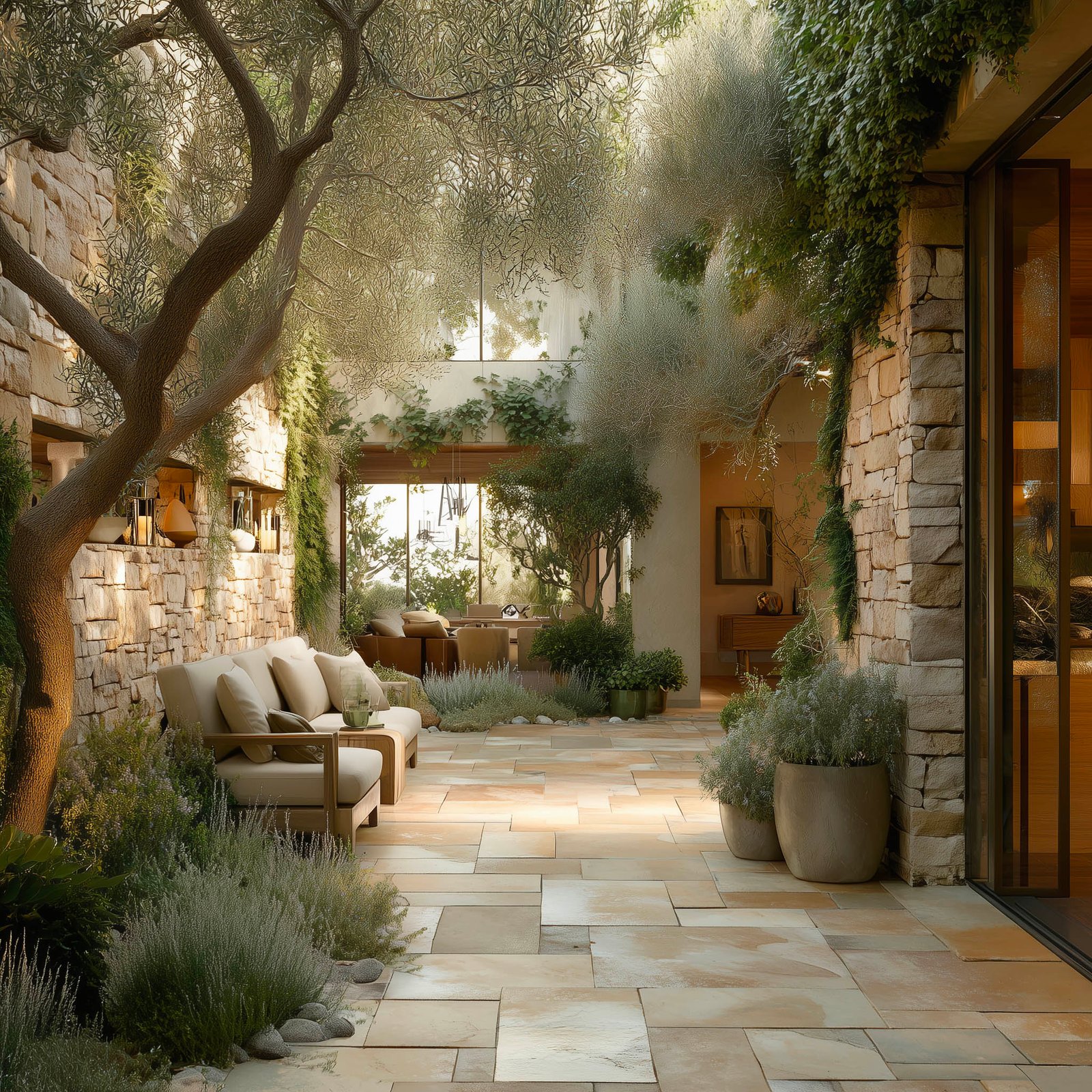
Creating fluid continuity between interior, exterior and living matter — coherent environments built to endure.