Origins
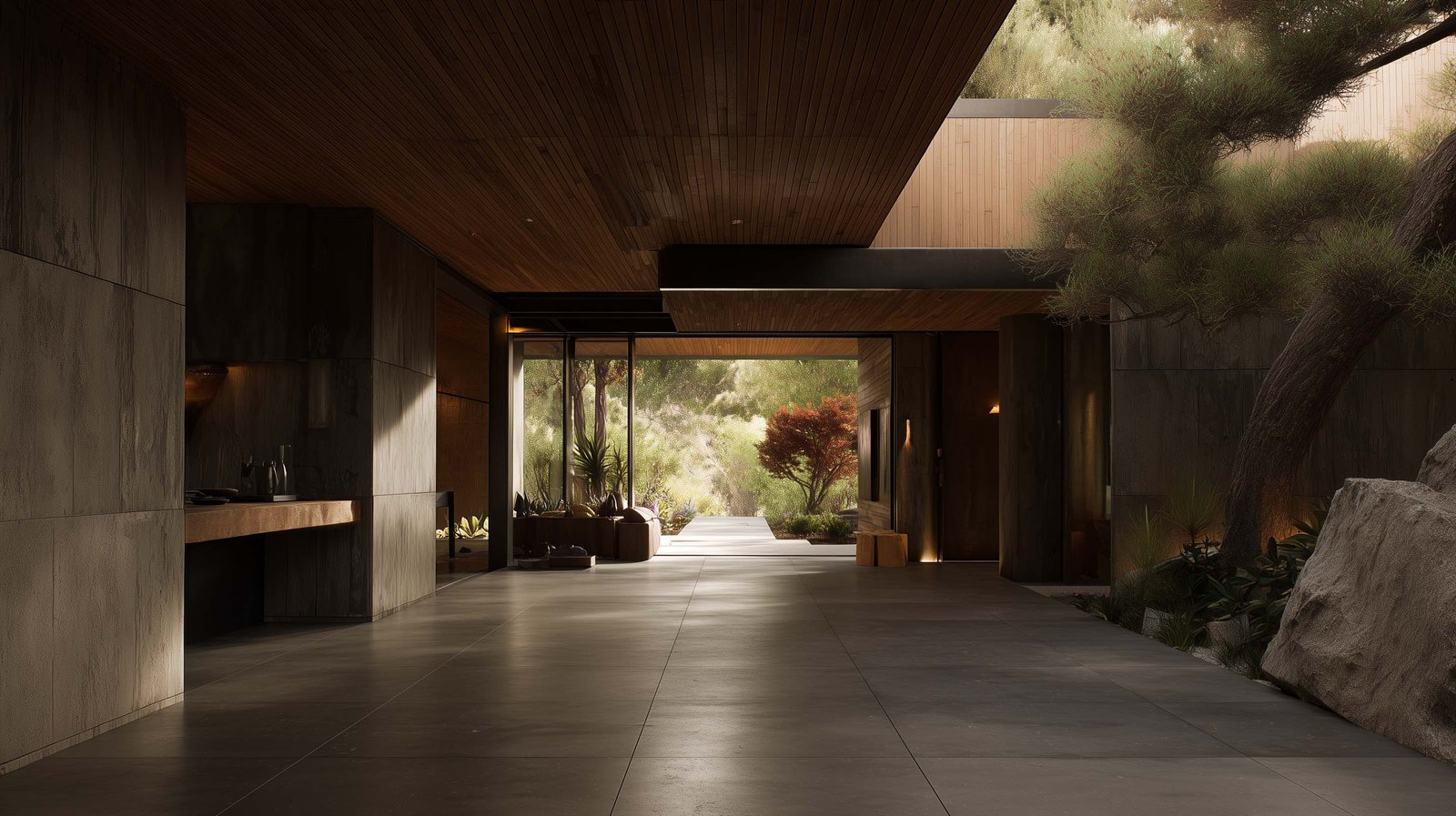
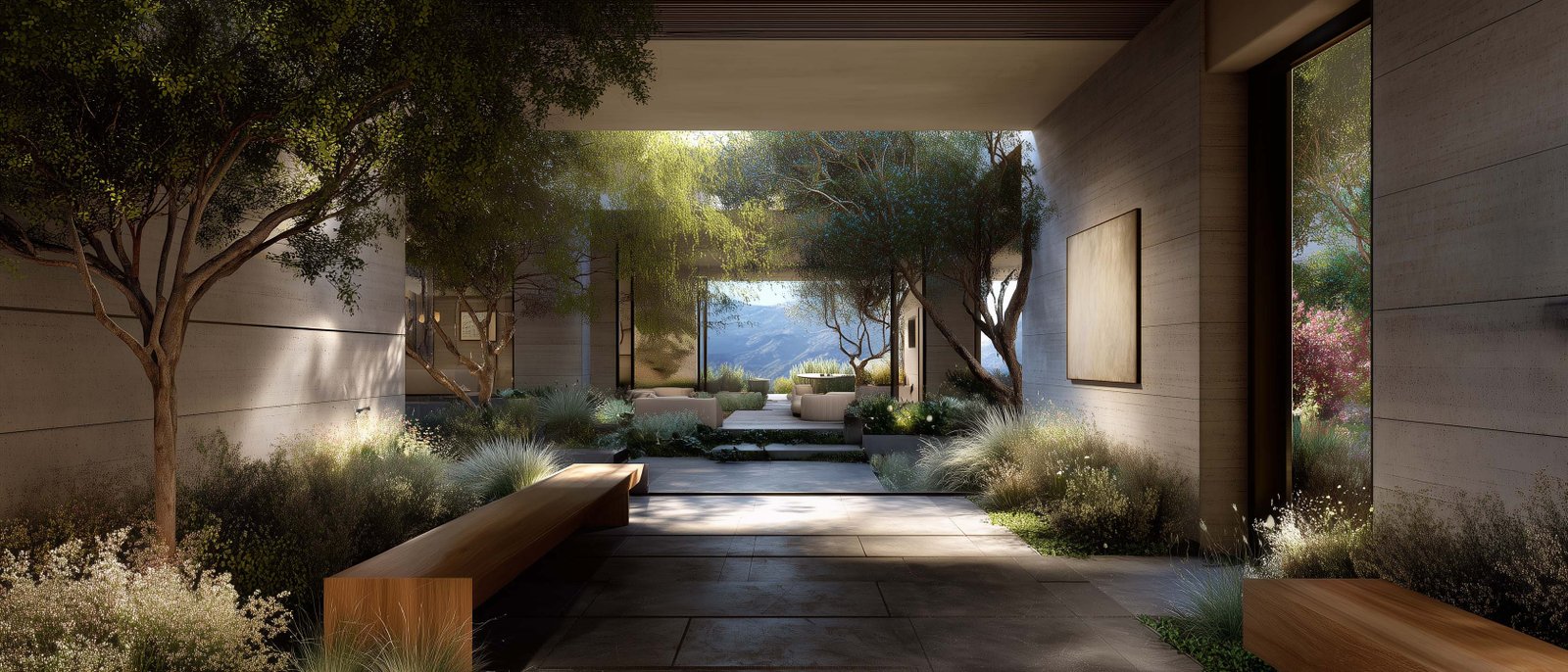
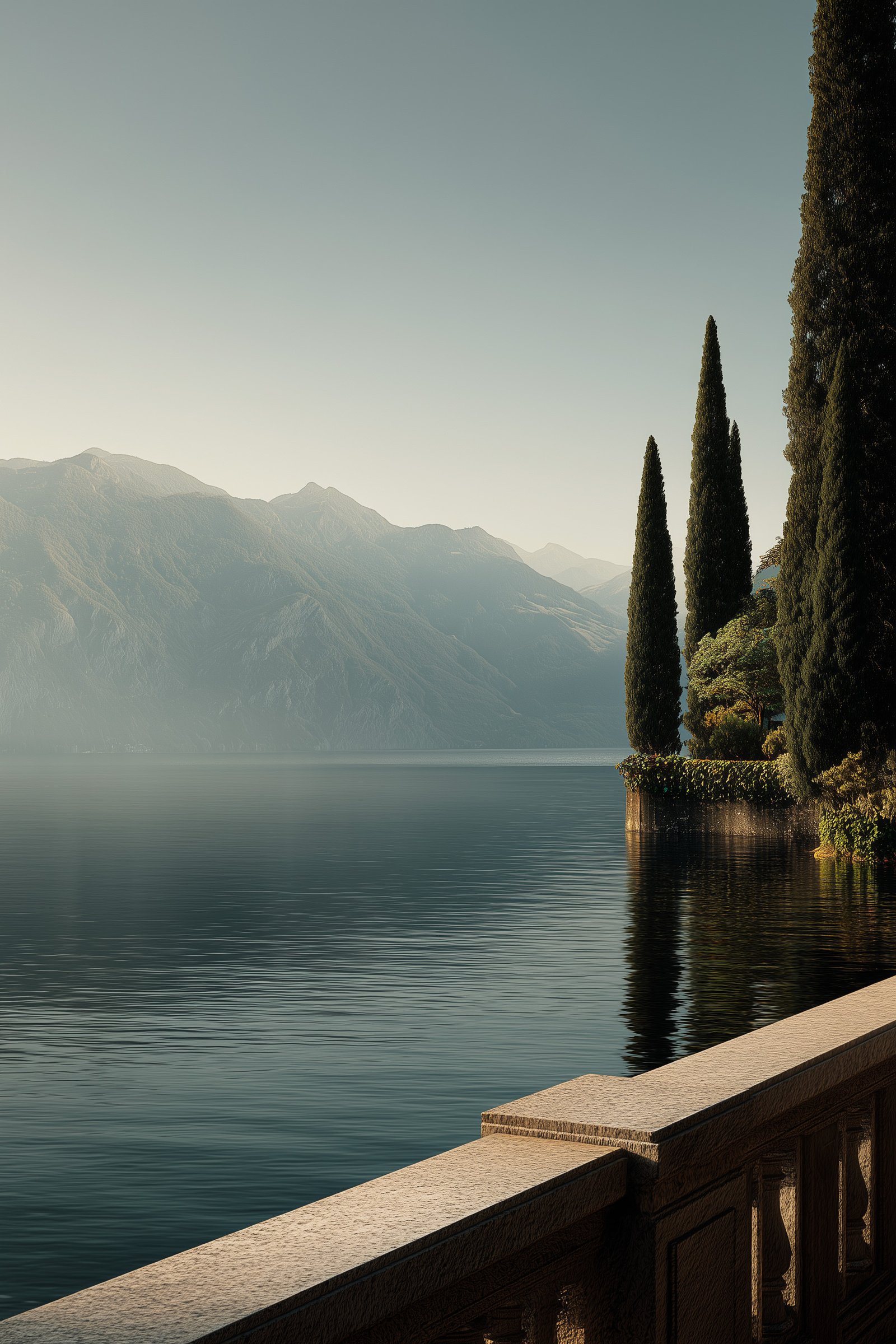
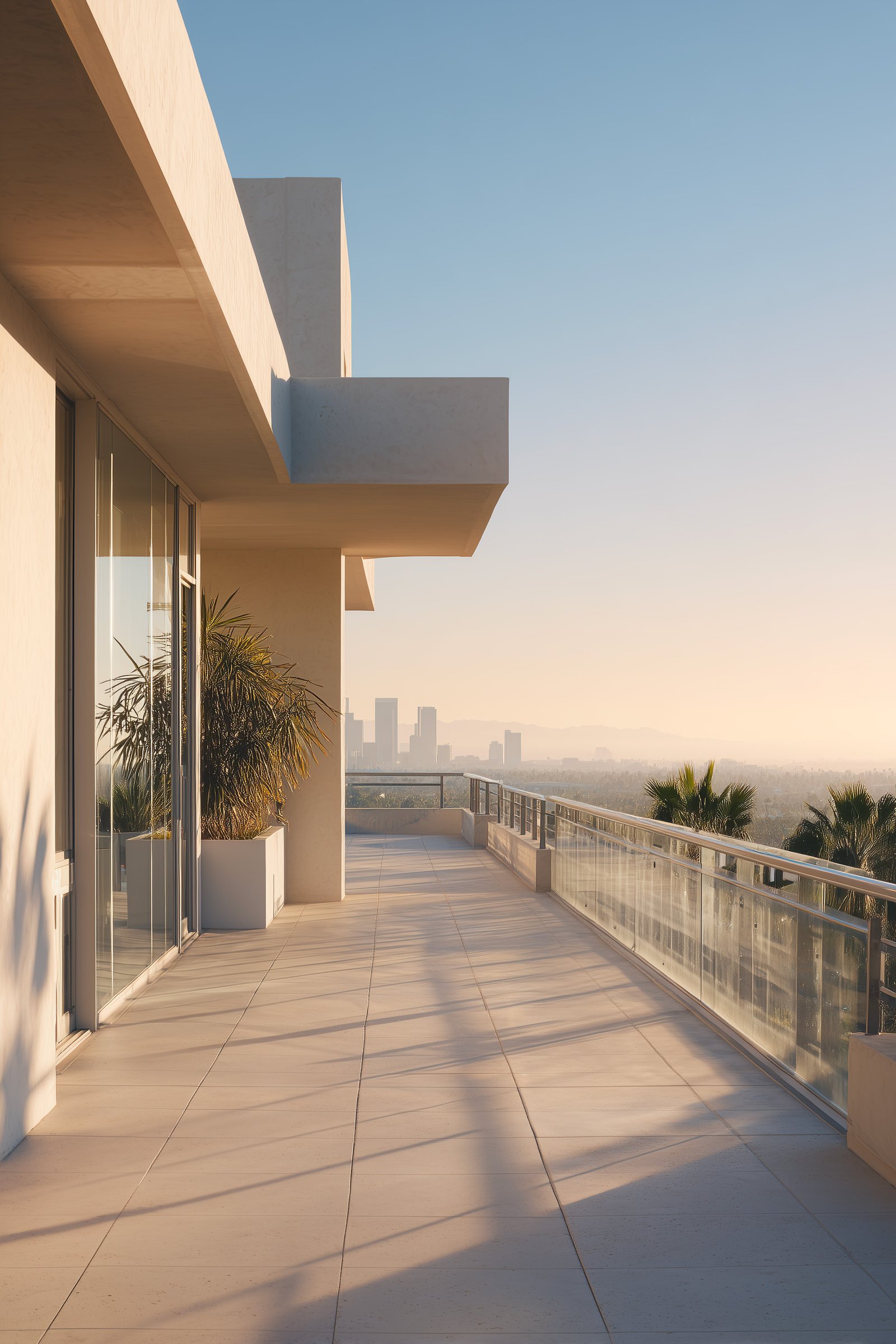
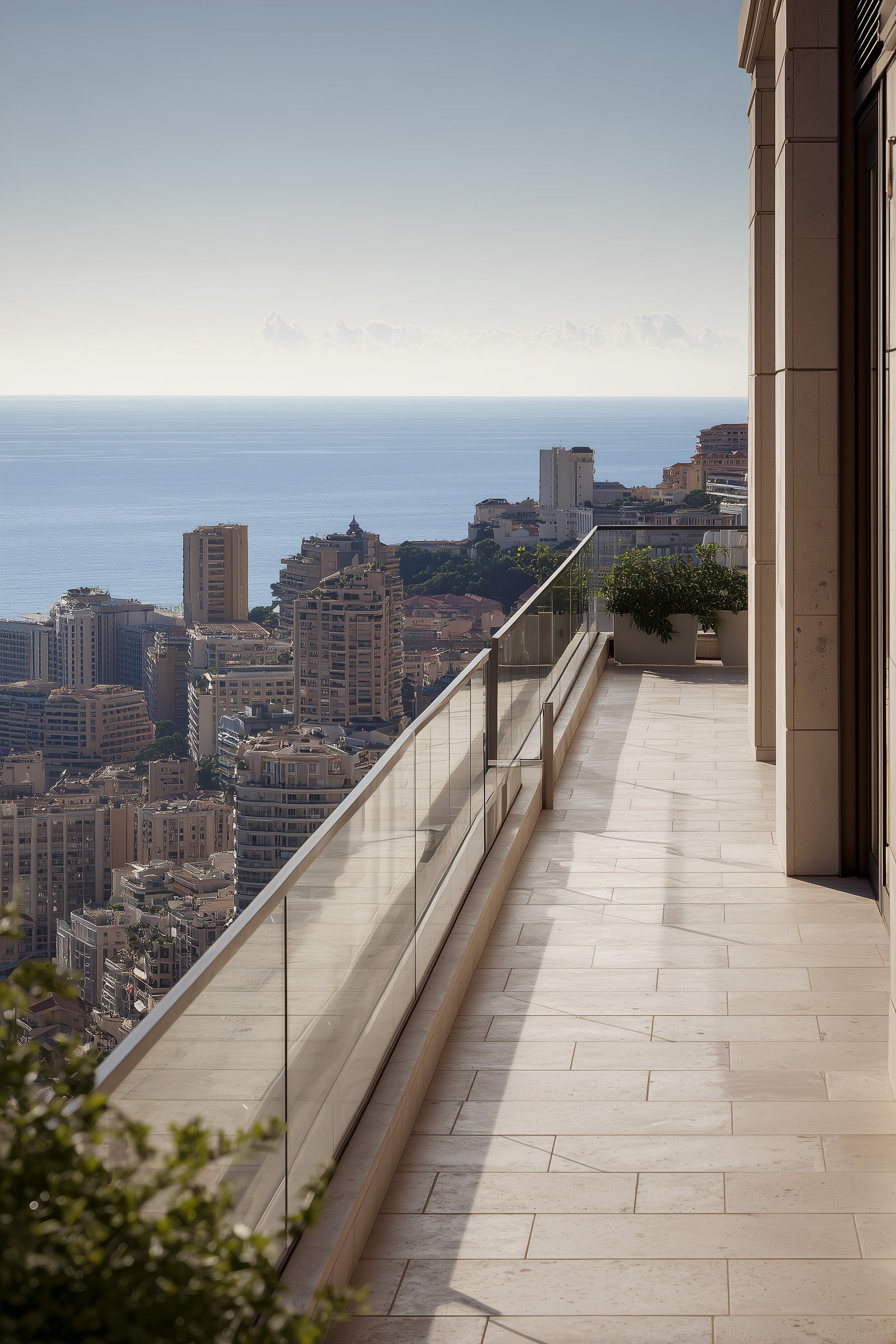
Inspiration begins long before design. It emerges from landscapes, climates and cultures — from Mediterranean light to Californian openness, from mineral grounds to living plant forms.
These origins do not dictate form. They shape sensitivity, rhythm and restraint.
Inspiration is drawn from what is already there — land, light, silence and time.
A place carries its own grammar. The studio reads it, then translates it with precision.
Material & Sensory Cues
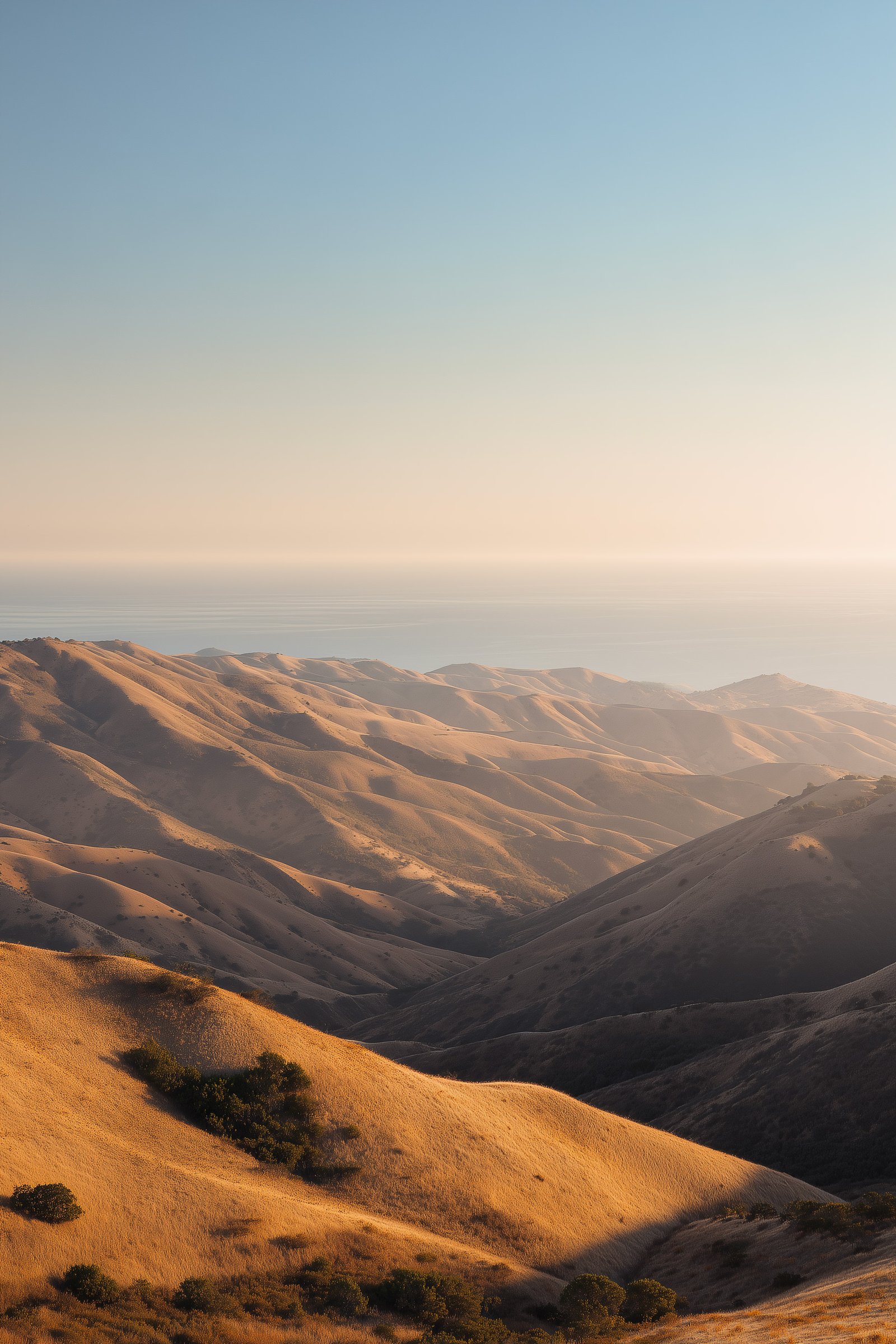
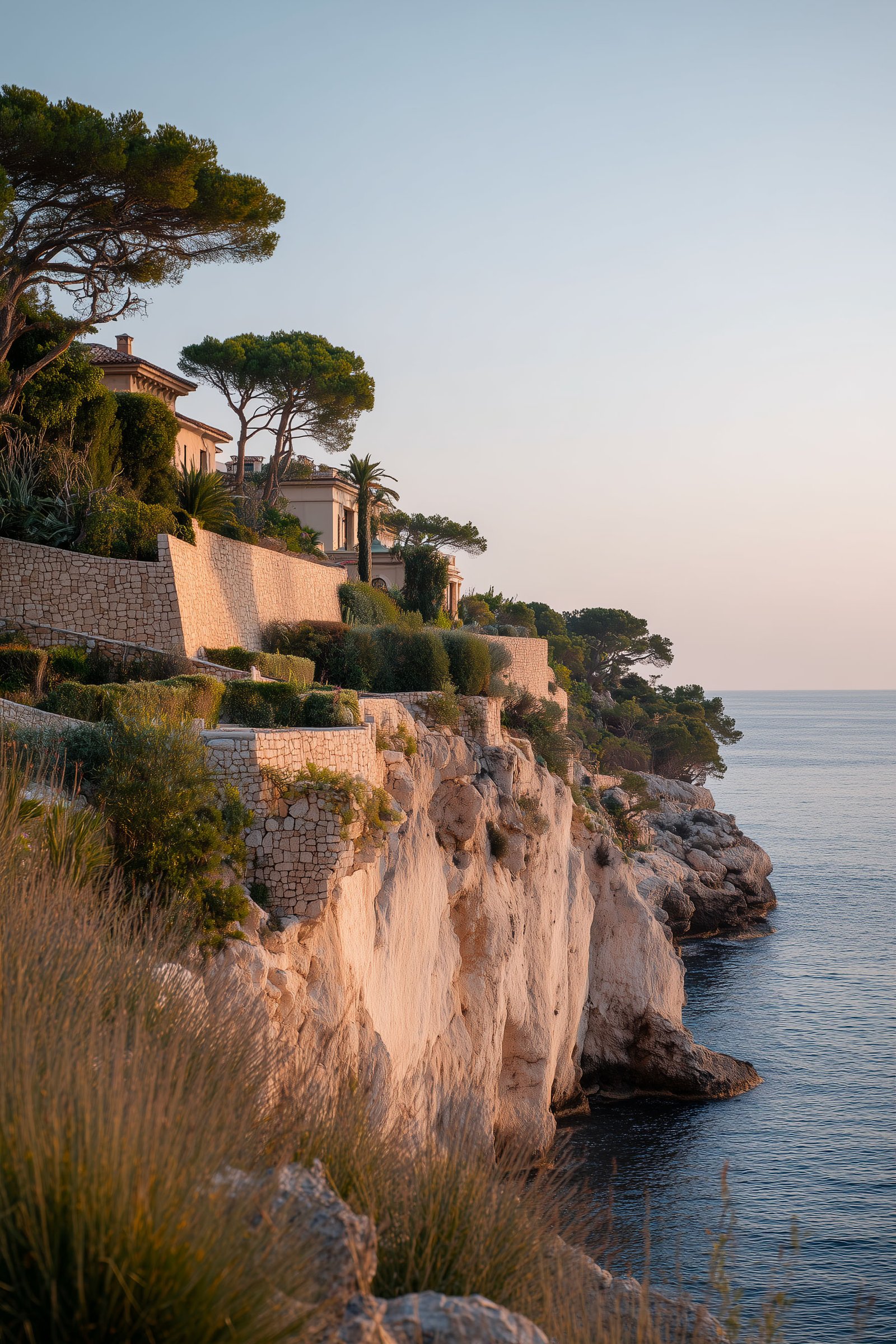
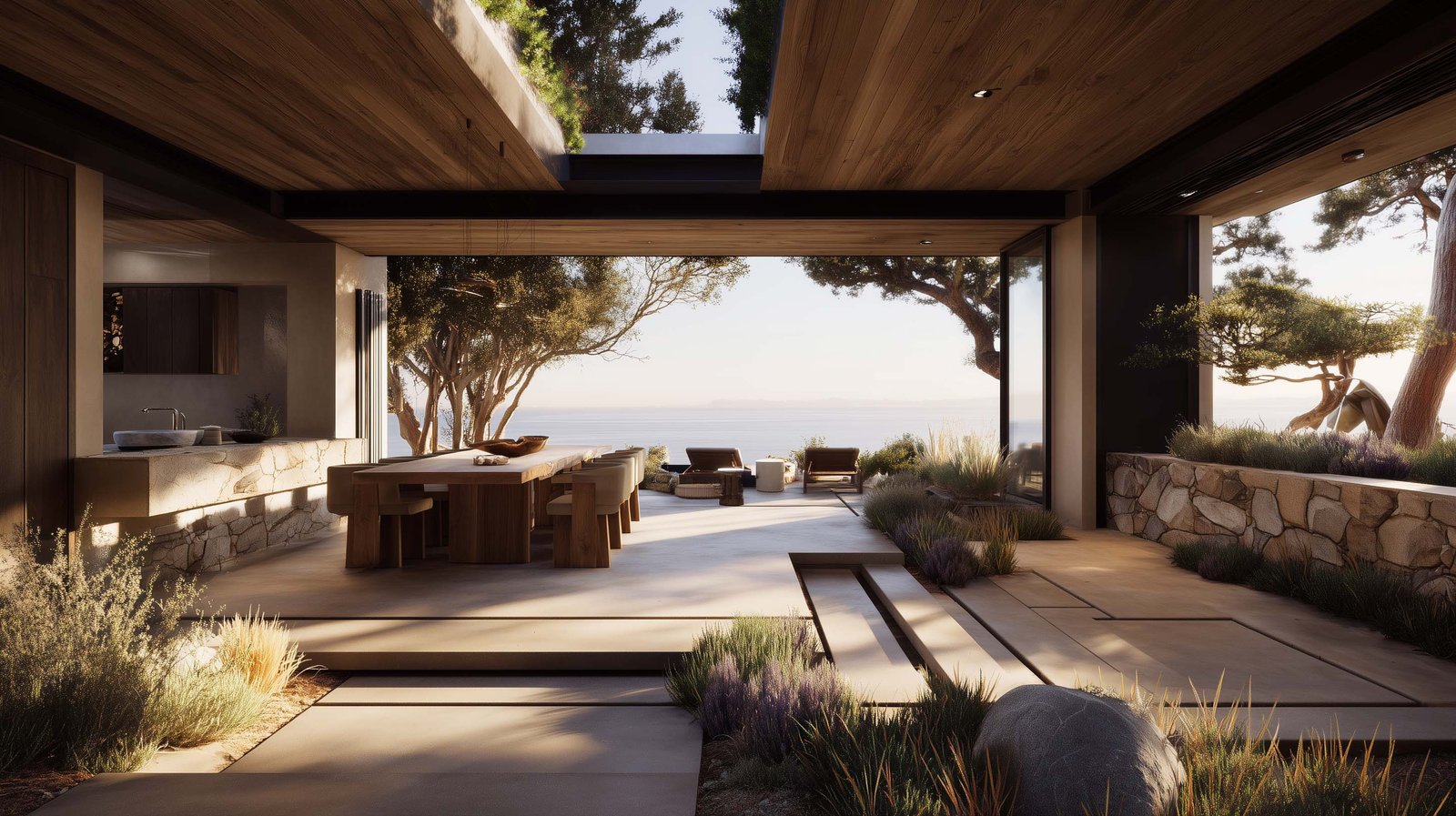
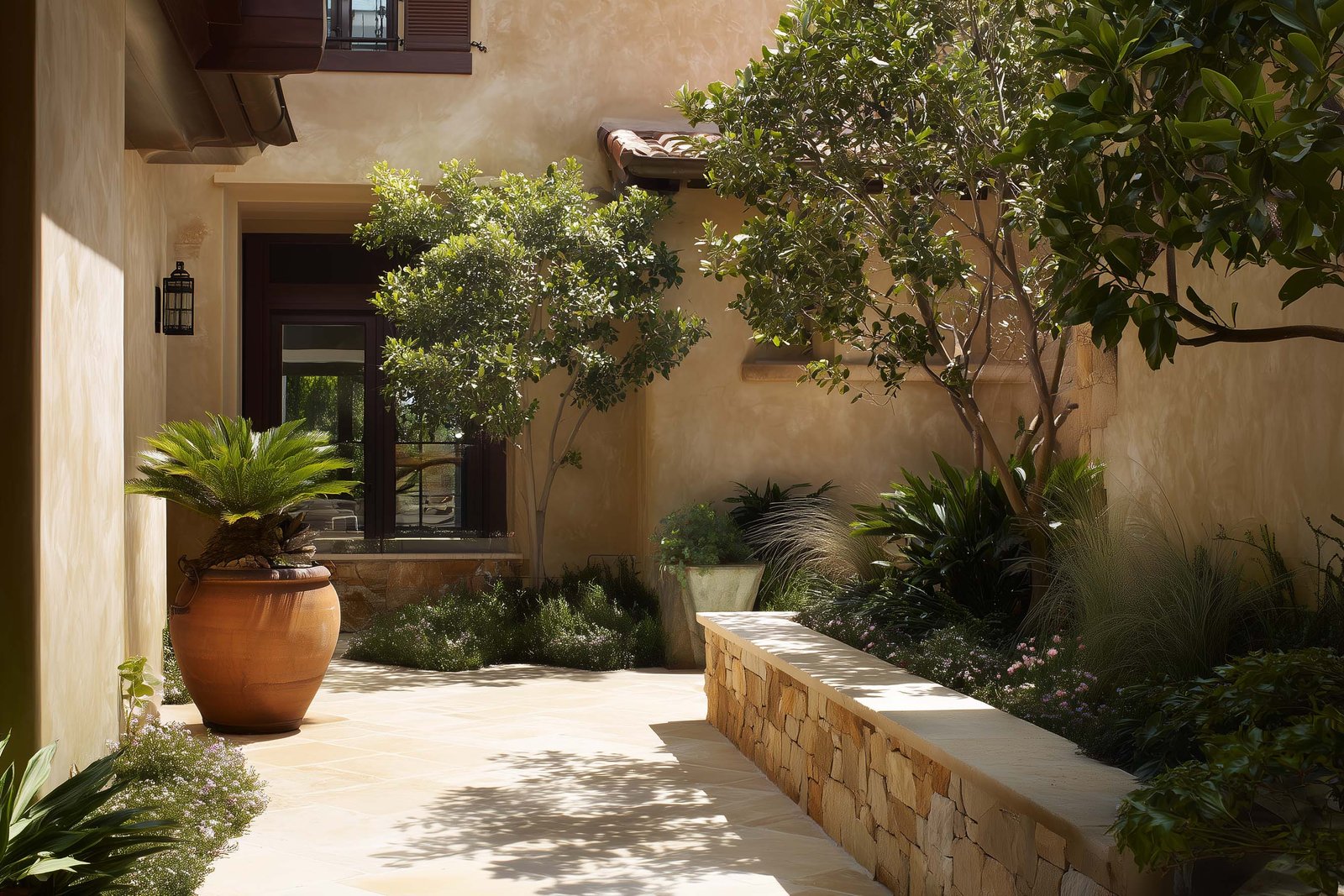
Materials speak before form. Wood, stone, earth and metal create tactile dialogues where botanical presence becomes part of the architecture — not an addition, but a continuation.
The sensation of a place is built through contact: surfaces, temperature, shadow, resonance. Matter sets the tone; plants extend it.
Botanical Presence
Plants are not decorative objects. They are living presences shaping atmosphere, regulating perception and anchoring spatial experience.
Sometimes subtle. Sometimes expressive. Always intentional.
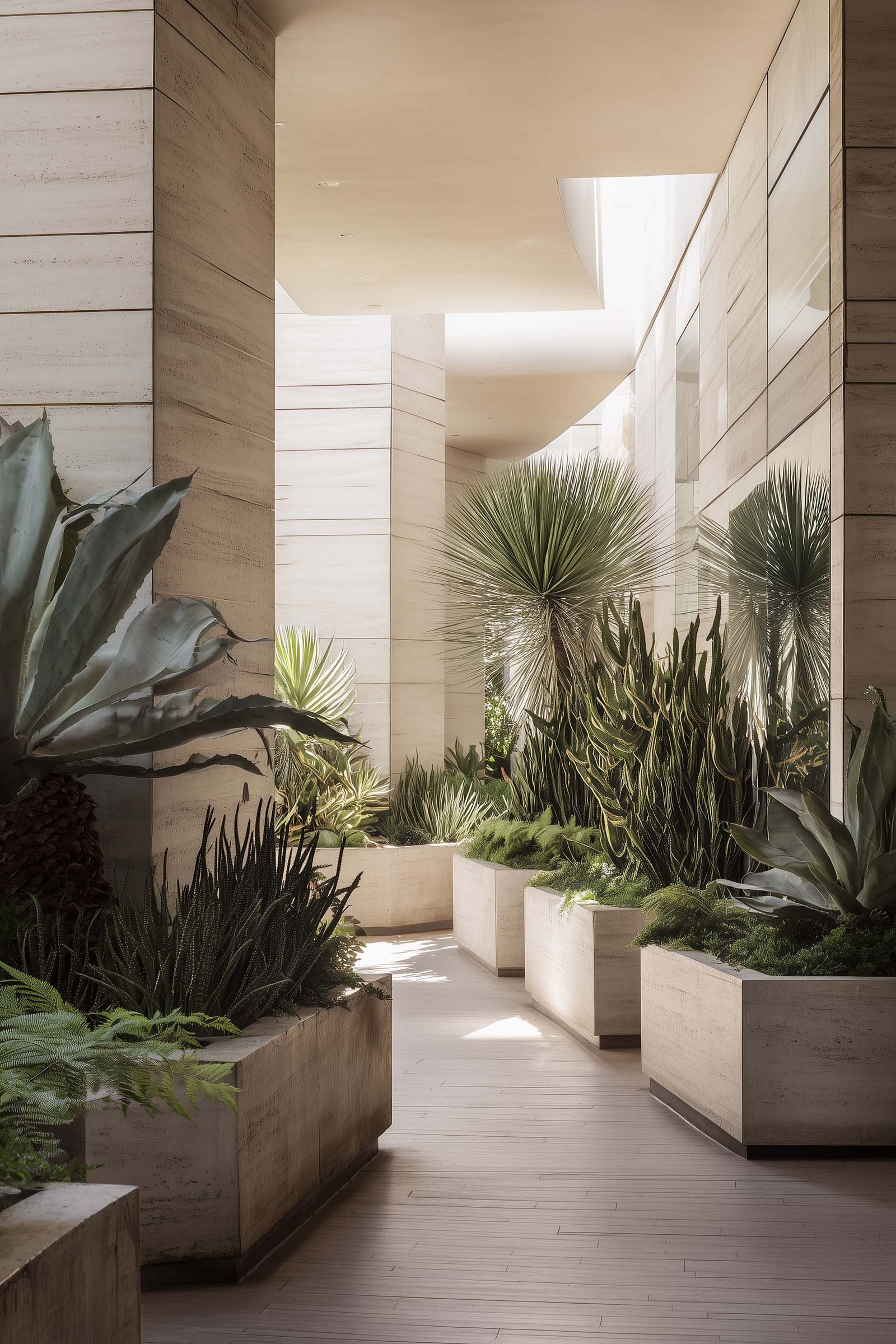
Botanical presence is measured through placement, rhythm and seasonal evolution — not quantity.
A plant is selected for its role: to guide movement, create thresholds, hold calm, or reveal light.
Spatial Atmospheres
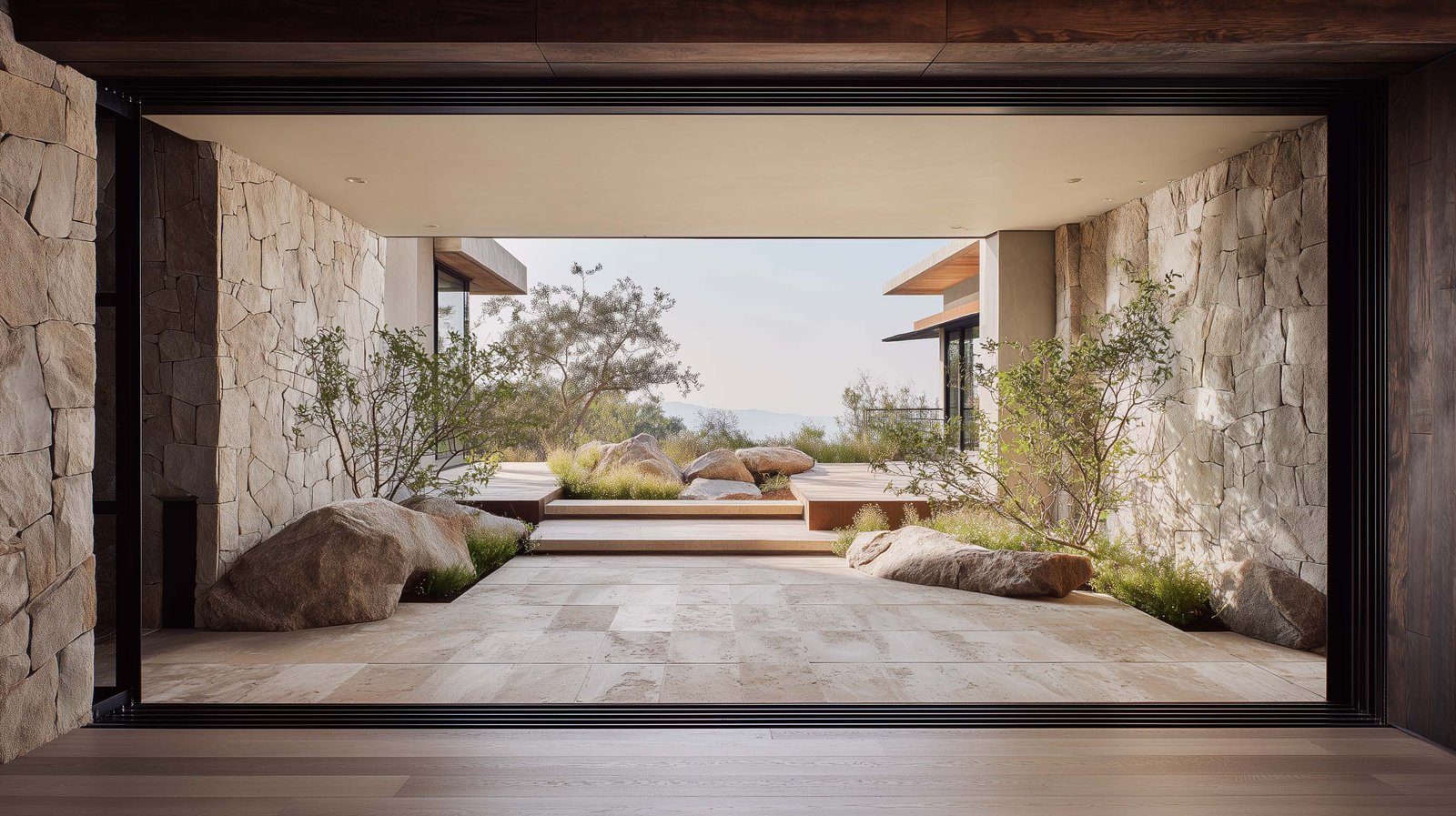
Inspiration reveals itself in moments: thresholds, pauses, transitions. Indoor and outdoor dissolve into continuity.
What matters is not the scene, but the sequence — how a place opens, tightens, breathes, and supports the way it is lived.
Stylistic Echoes
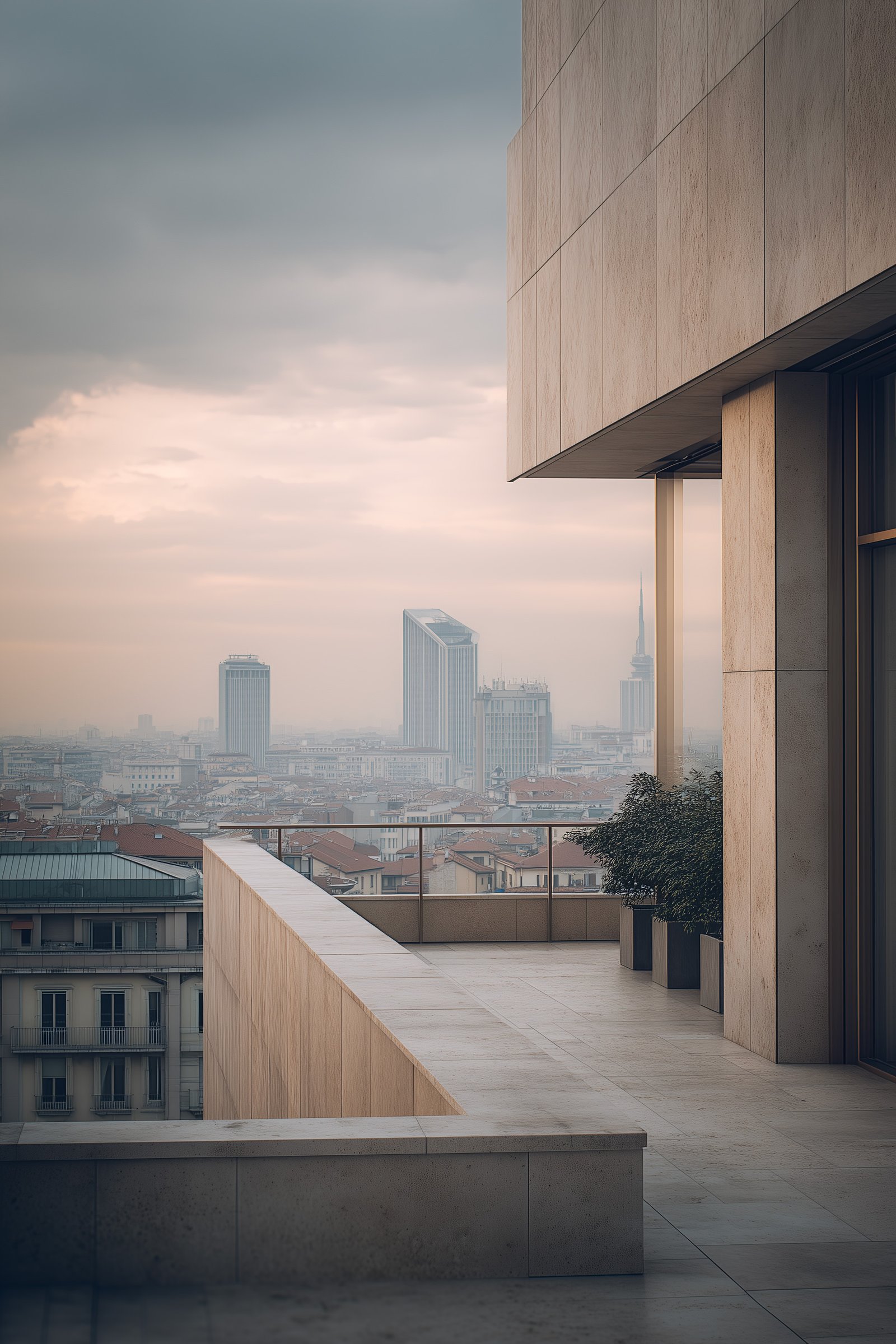
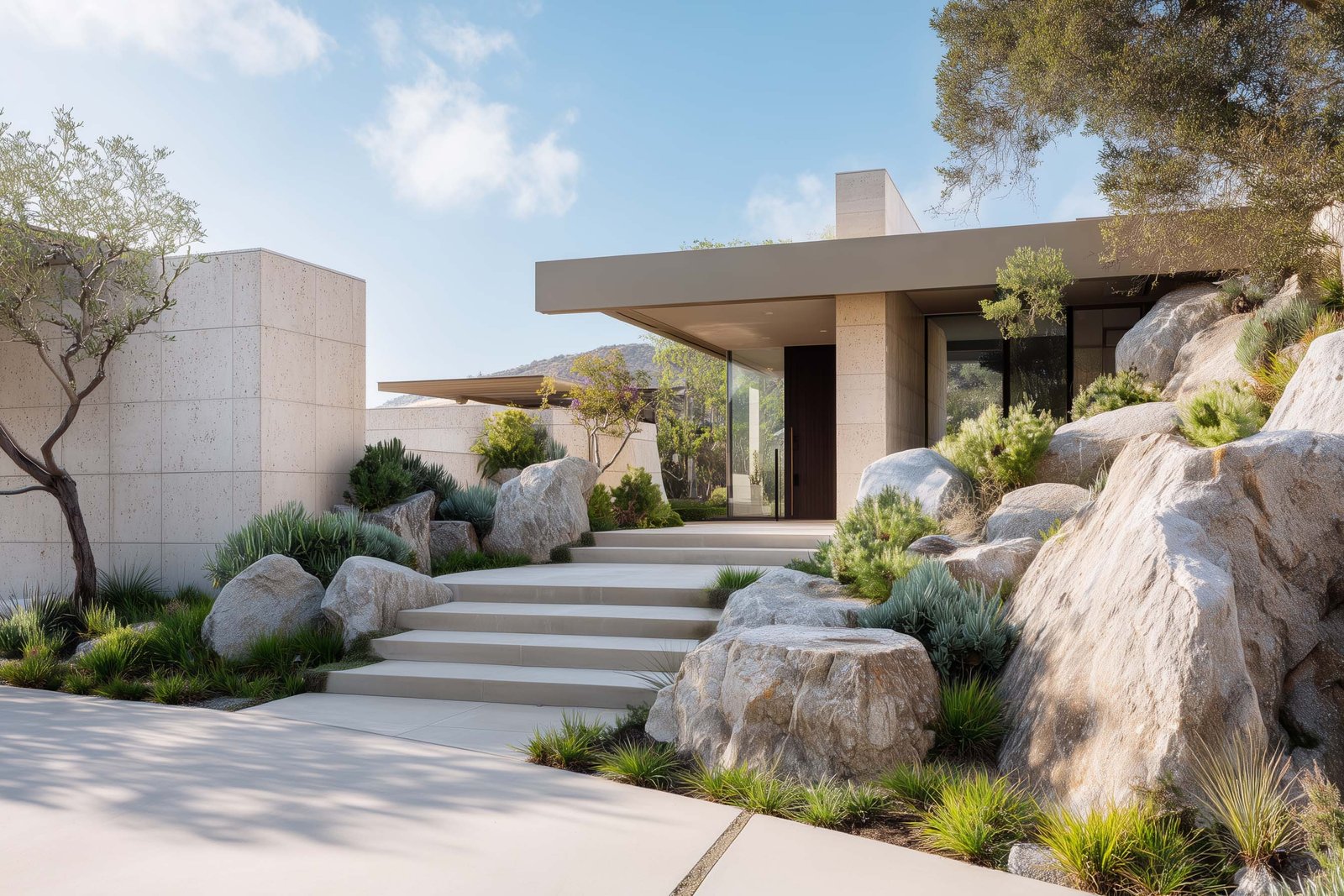
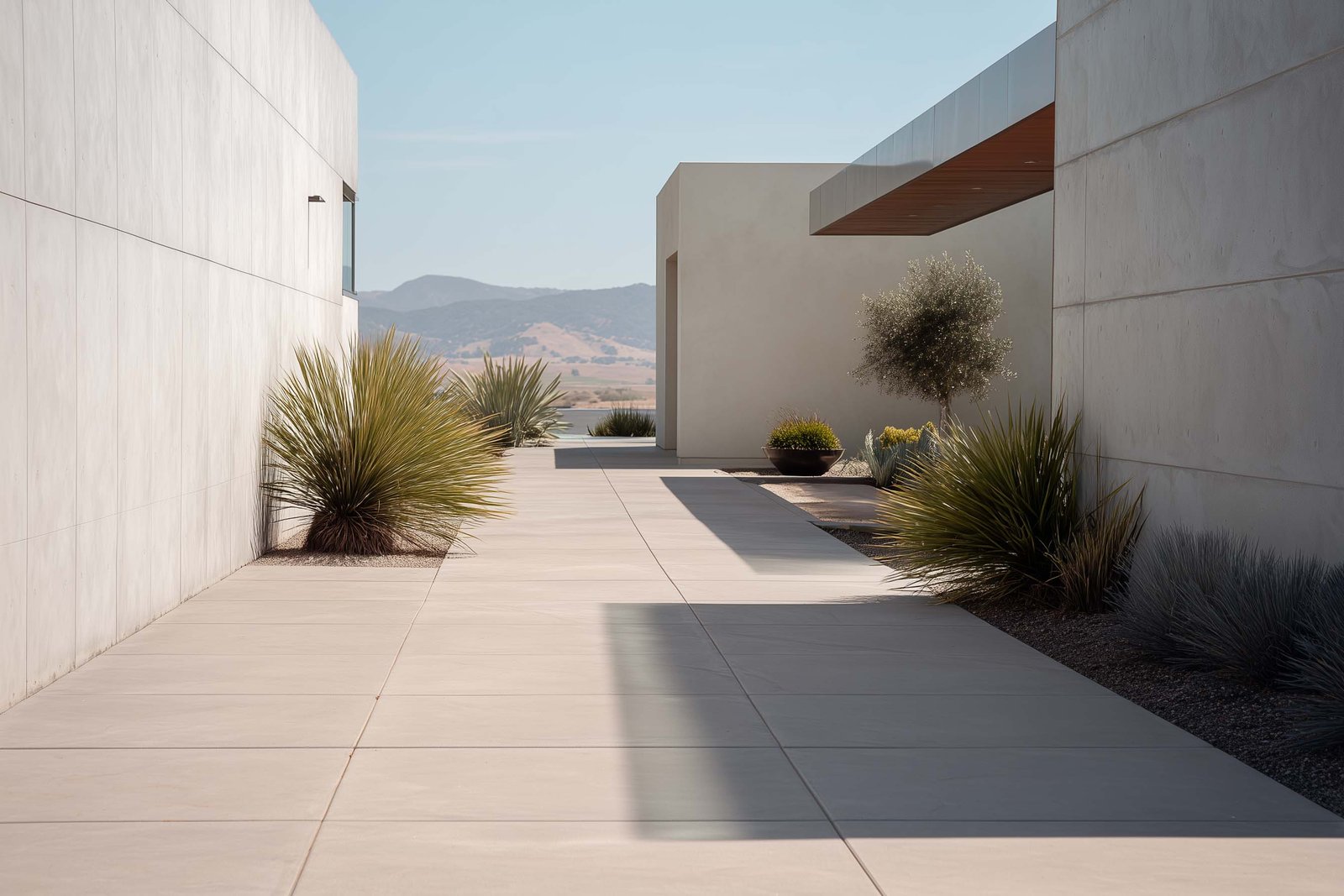
Botanical architecture adapts to place. Not as a trend, but as a visual language shaped by climate, culture and context.
Mediterranean softness, Californian clarity, restrained minimalism — not styles, but resonances.
The studio does not replicate references. It extracts principles: proportion, light, materiality, botanical rhythm — and recomposes them for each project.
From Inspiration to Creation
Inspiration is the silent ground where intuition meets structure.
It is where botanical architecture begins — before form, before function, before design becomes visible.
A studio library, not a catalogue: a way of seeing, measuring and composing what a place can become.