Botanical Intelligence
At Paracelsus Gardens™, plants are not decorative elements. They are living intelligences — active forces capable of structuring space, influencing use, guiding movement, shaping atmospheres and affecting inner states.
Botanical intelligence considers the plant as a design partner.
Each species is selected for its role, its presence, its rhythm and its relationship to the environment in which it is placed.
Inspired by Paracelsus and the doctrine of signatures,
this approach recognises in living matter a sensitive, symbolic and functional dimension.
The plant enters into dialogue with architecture, materials, light and the body.
It acts on perception, emotion, concentration or appeasement,
depending on context, rhythm and use.
The Living Elements
- Earth — structure, grounding, mineral presence
- Water — calm, reflection, temperature, acoustic rhythm
- Air — movement, breath, aromatic diffusion
- Fire — light, warmth, cadence of day and night
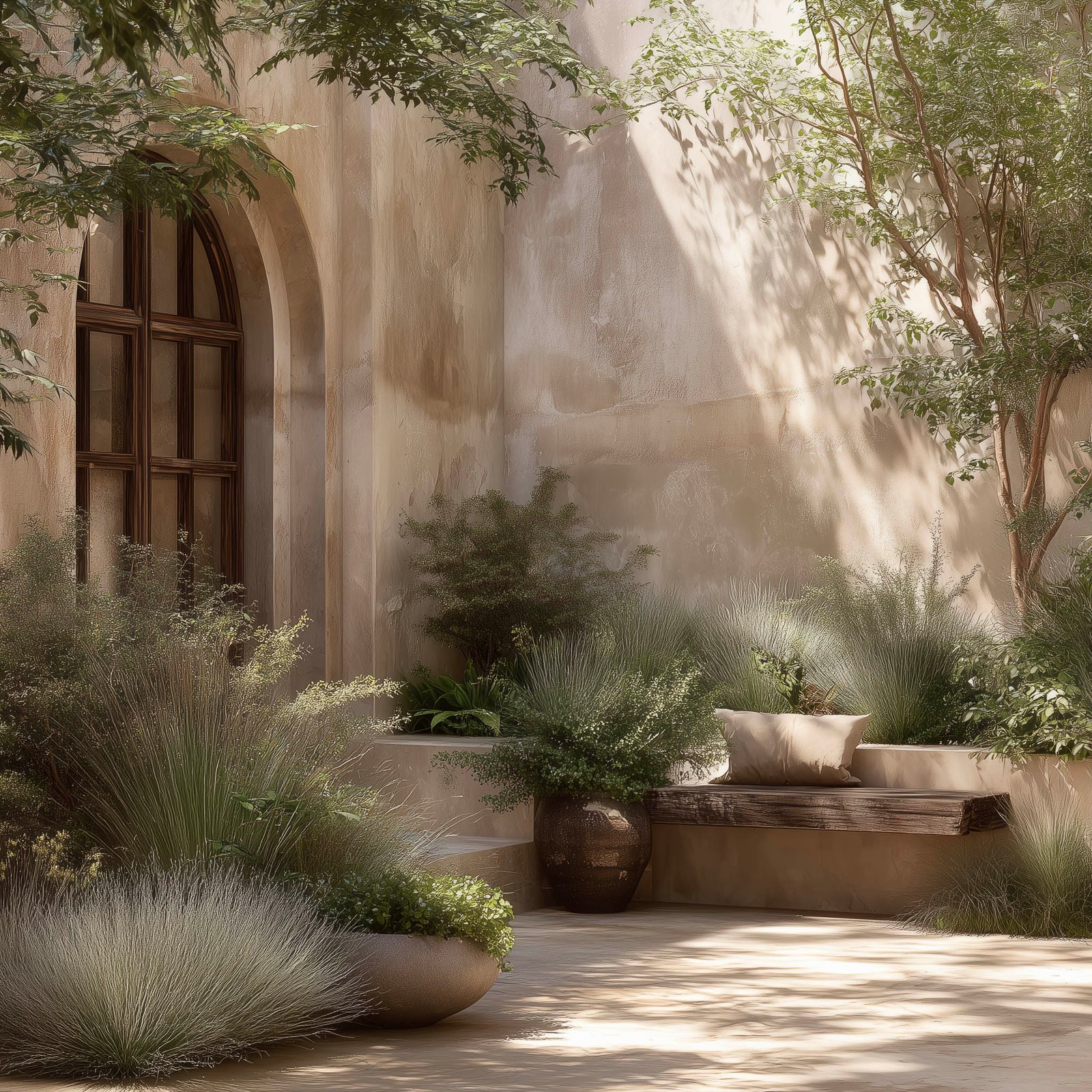
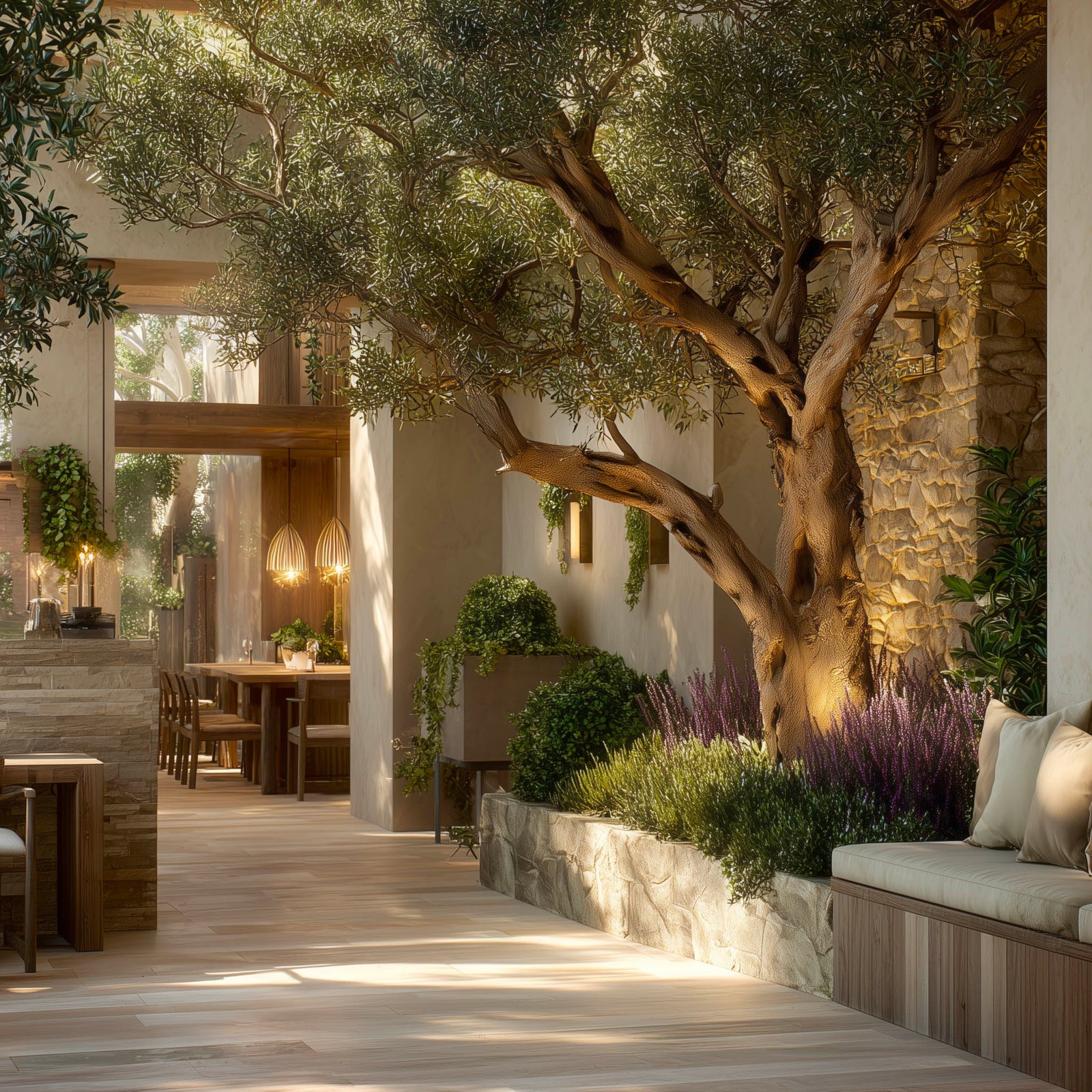


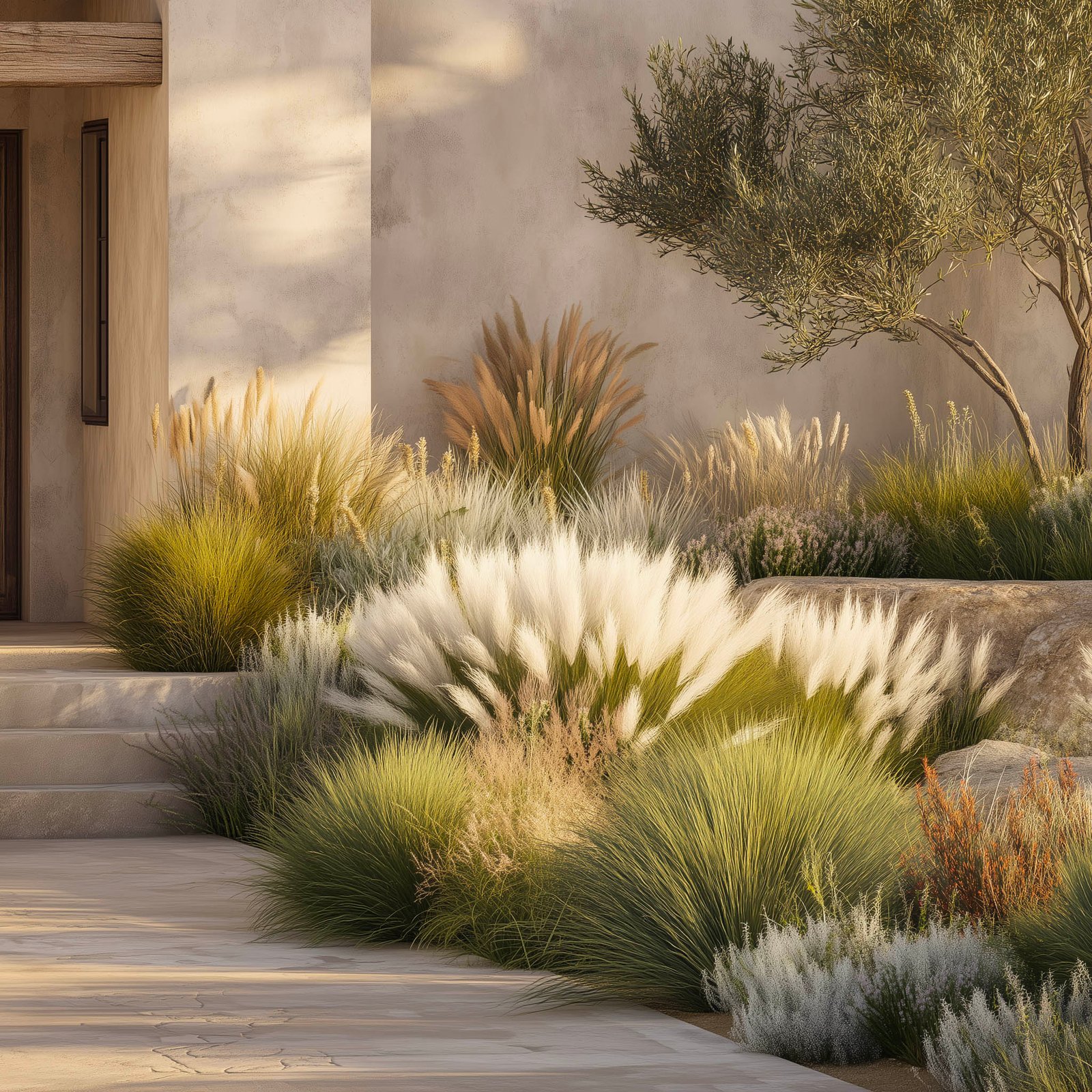
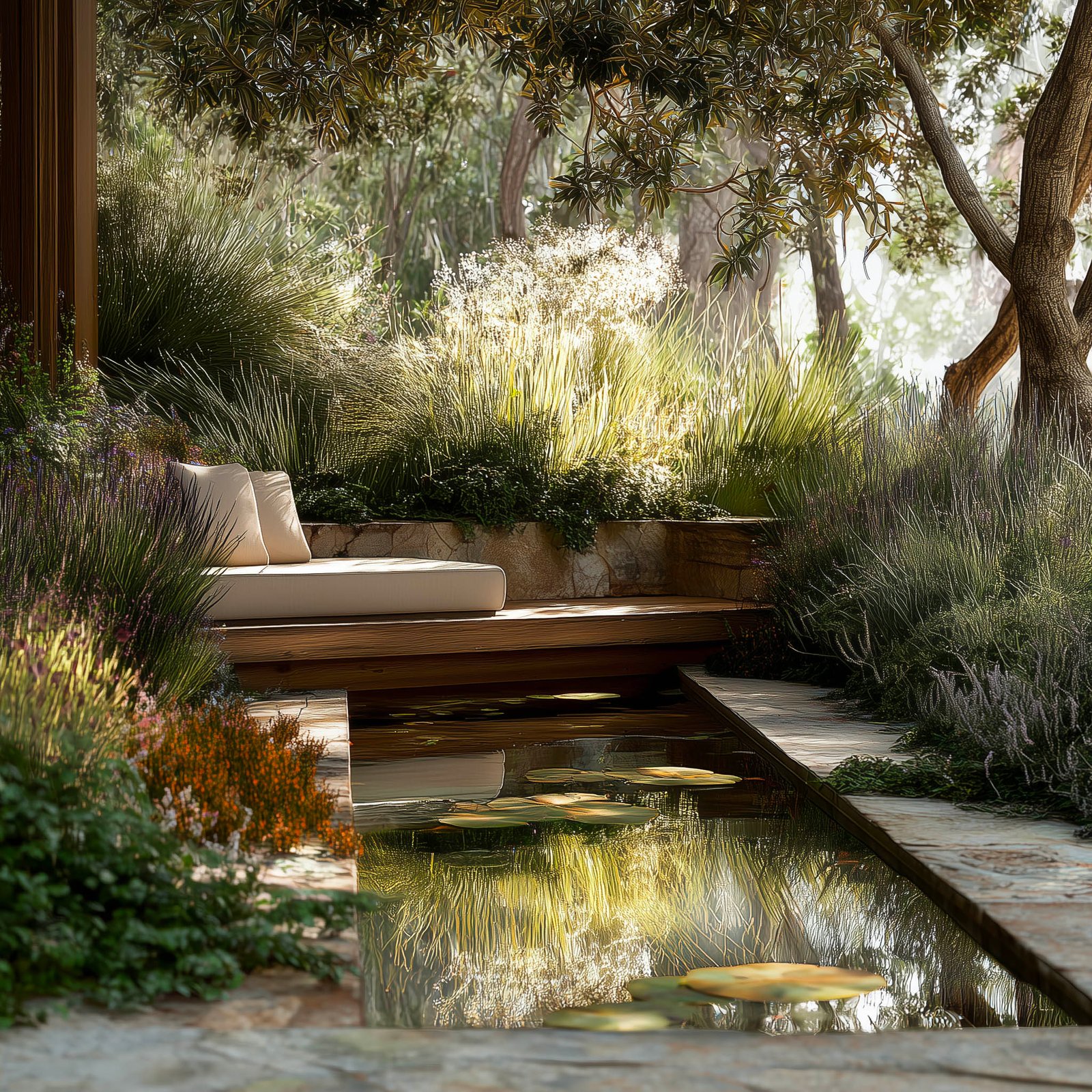
Botanical intelligence allows gardens and planted environments to move beyond aesthetics.
They become spaces of living, transition, focus or release — whether open to the public,
integrated into work environments, conceived as private terraces, gardens, or hybrid spaces.
Within these environments, the plant structures pathways, accompanies rituals
and actively contributes to the quality of experience over time and through the seasons.