
CHAPTER 02
A Botanical Grammar
A grammar of structure and restraint
Reading a place is only the beginning. A botanical grammar turns observation into a language: proportions, densities, repetitions, and pauses. This chapter defines the elements that allow botanical architecture to remain coherent — across scales, climates and typologies.
Structure before decoration.
A garden becomes architectural when its logic is readable. We compose with masses, intervals, silhouettes, and the quiet authority of repetition.
Restraint is not minimalism; it is precision. The goal is a language that holds over time — elegant in growth, clear in maintenance, and faithful to the space it inhabits.
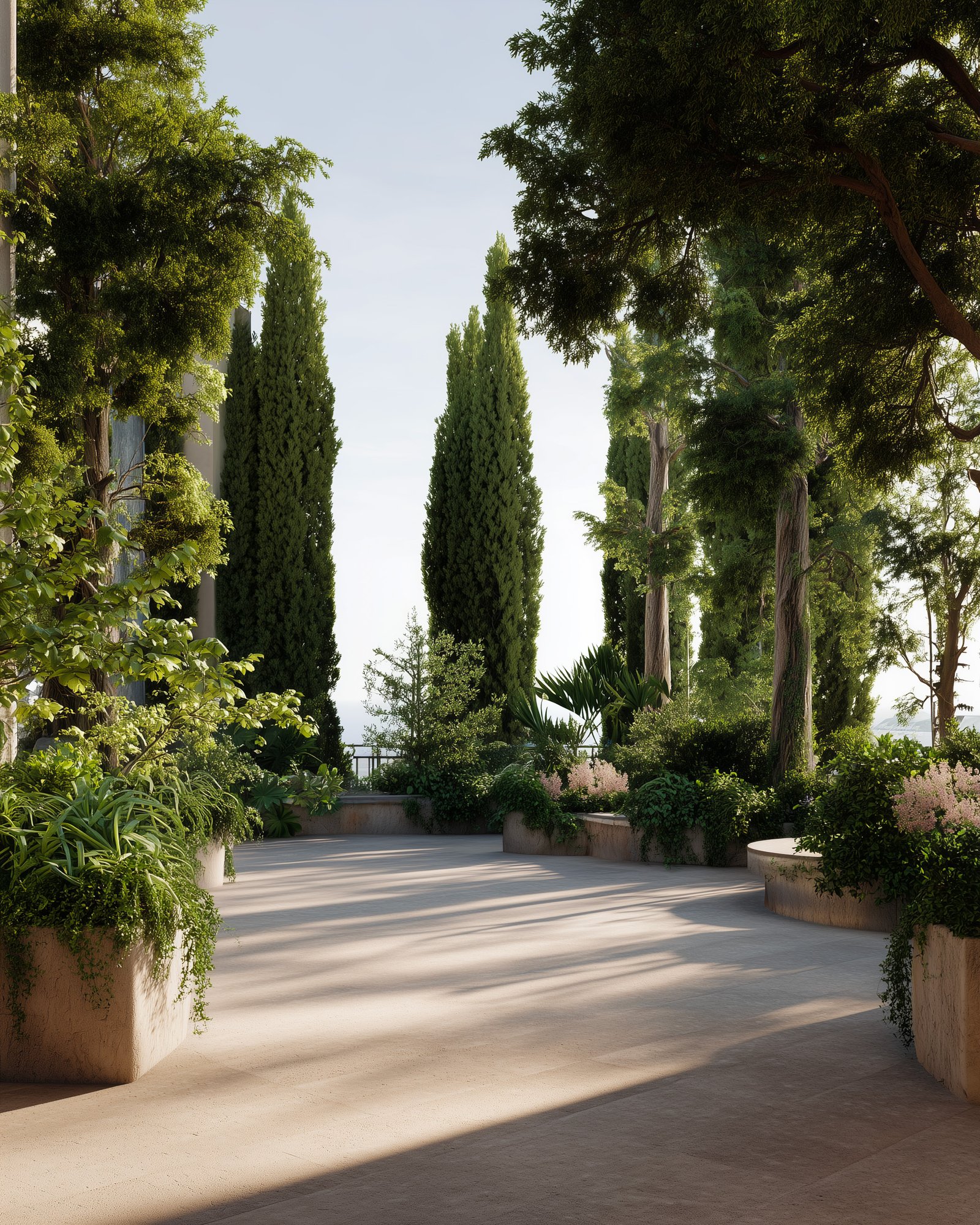
Grammar Elements — Mass, Rhythm, Interval
Mass creates presence. Rhythm creates movement. Interval creates breath. These three variables define how botanical architecture frames a space — and how it remains legible from the first impression to long-term evolution.
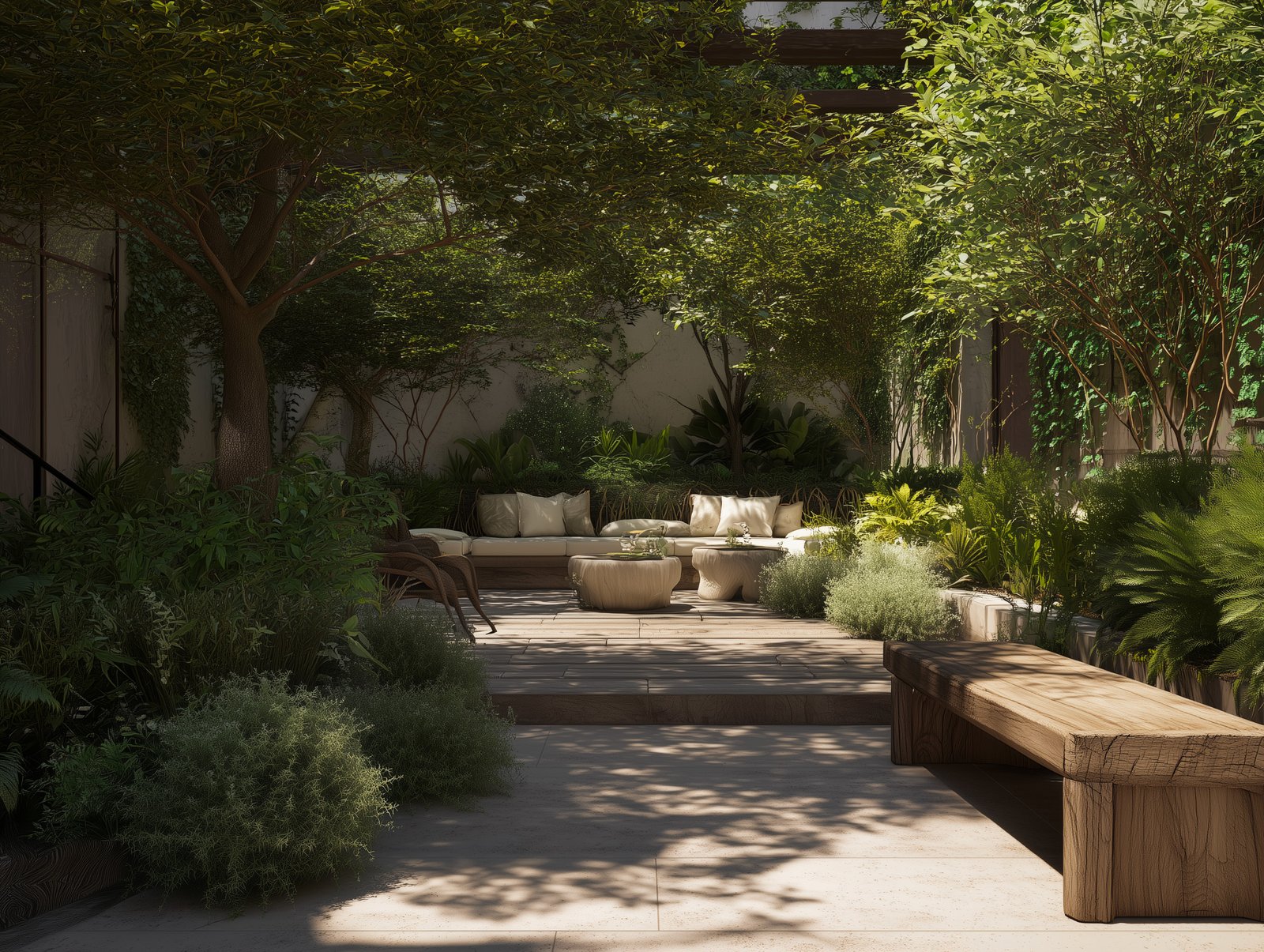



Density & Restraint — The Art of Choosing Less
Coherence often comes from subtraction. A limited palette, repeated with intention, creates depth. This is where advisory becomes essential: to protect the language, maintain clarity, and avoid decorative noise.


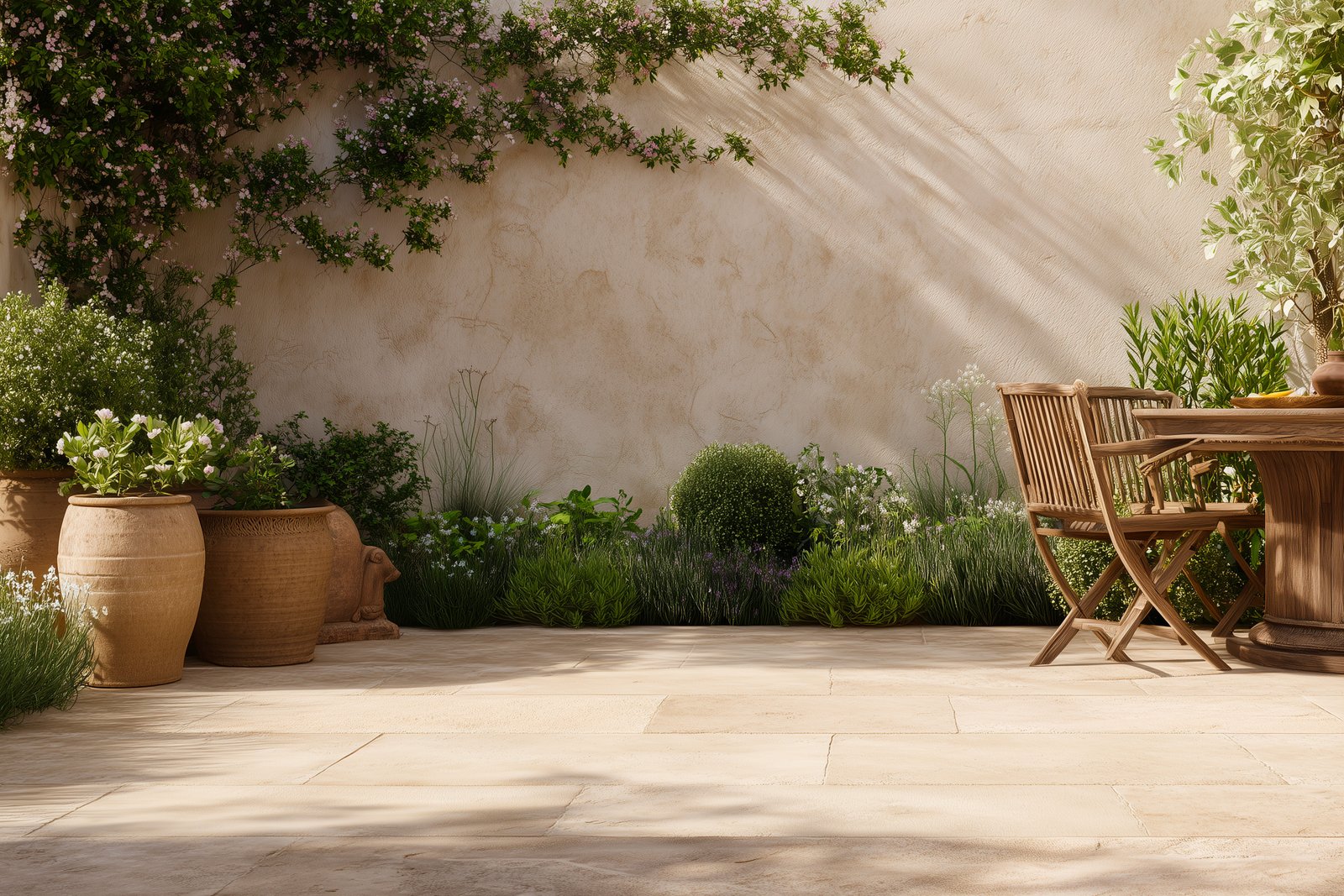
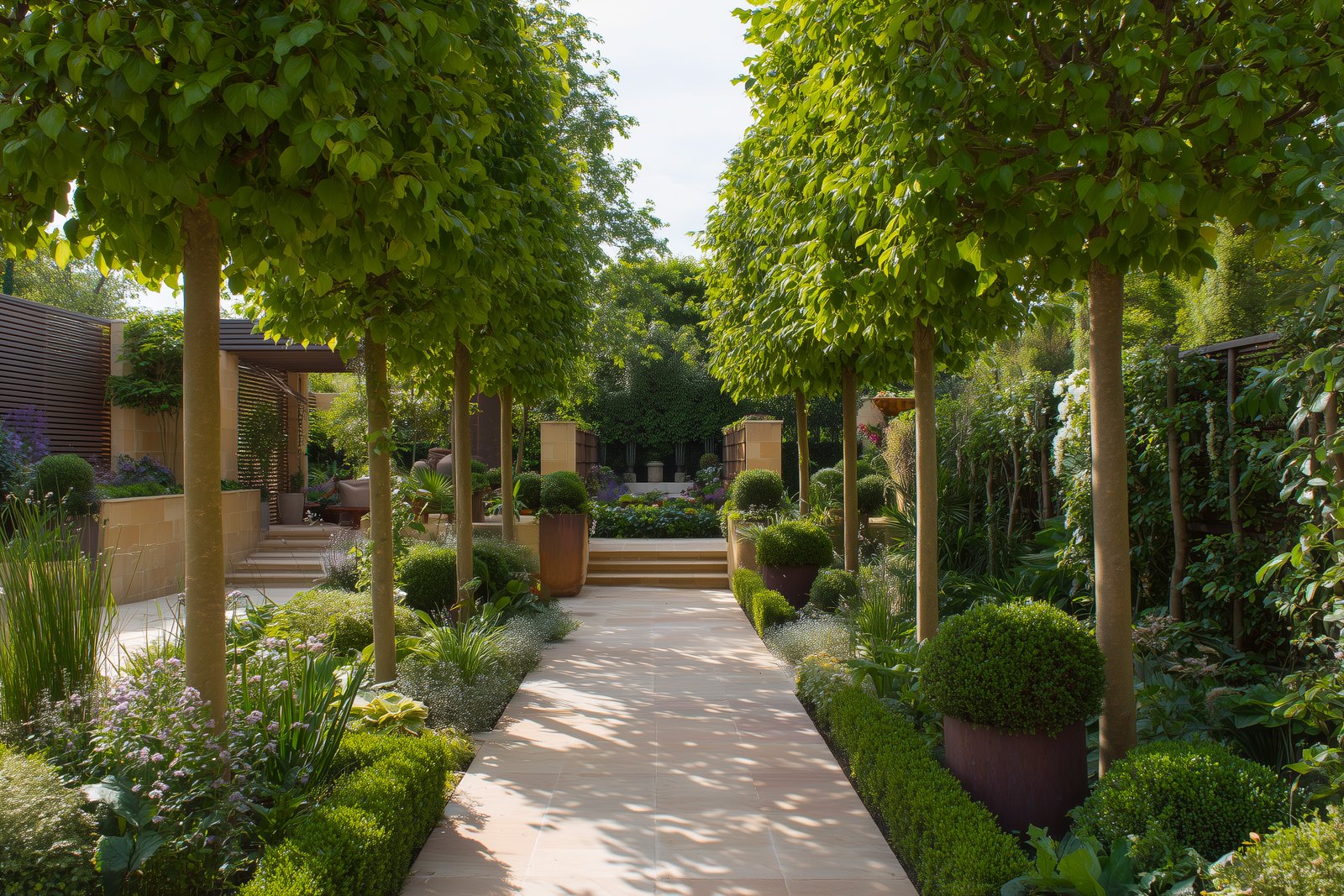
Coherence Over Time
A botanical grammar is a shared reference — a way to make decisions that remain consistent as the project grows, shifts, and matures.