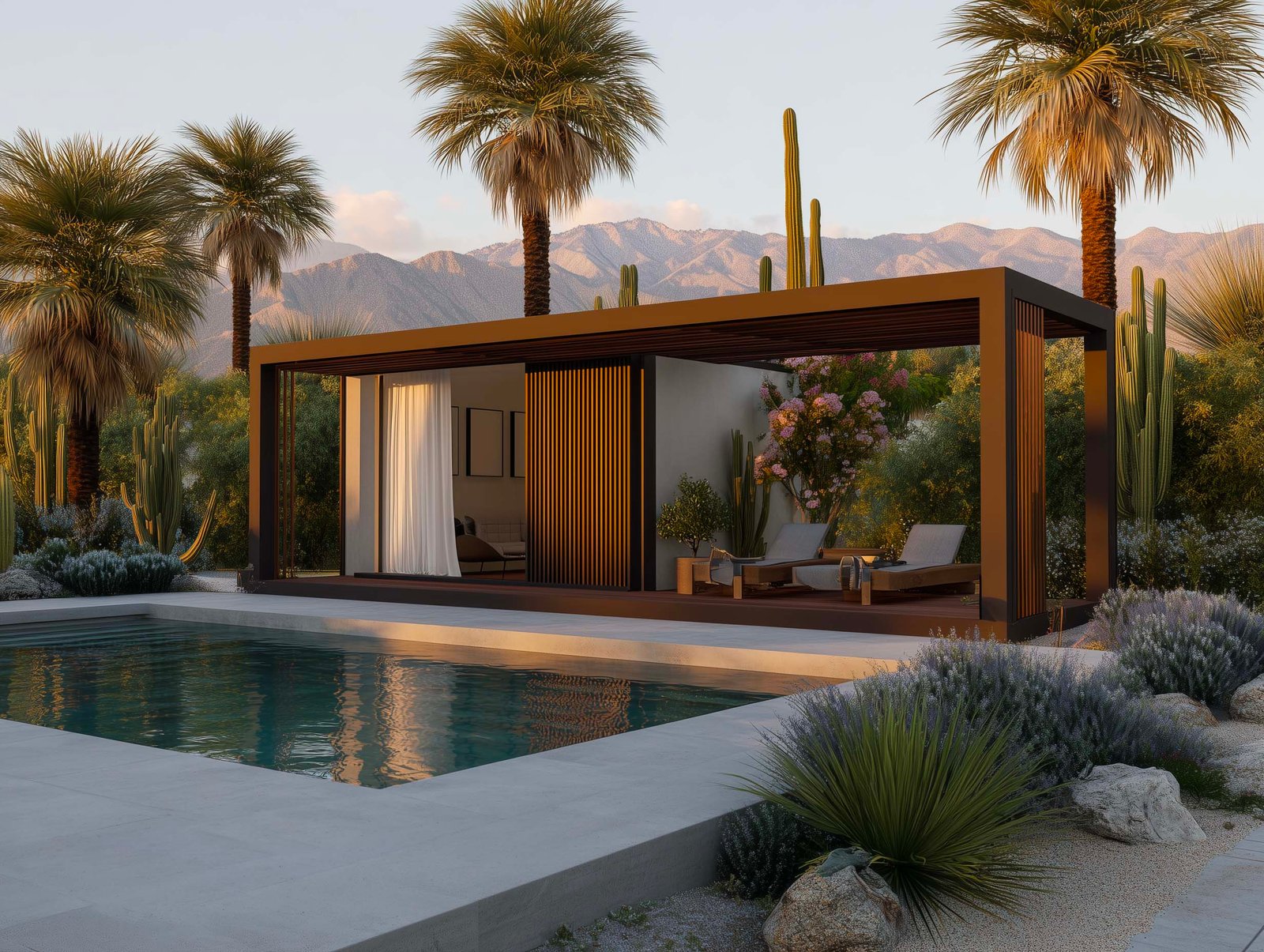
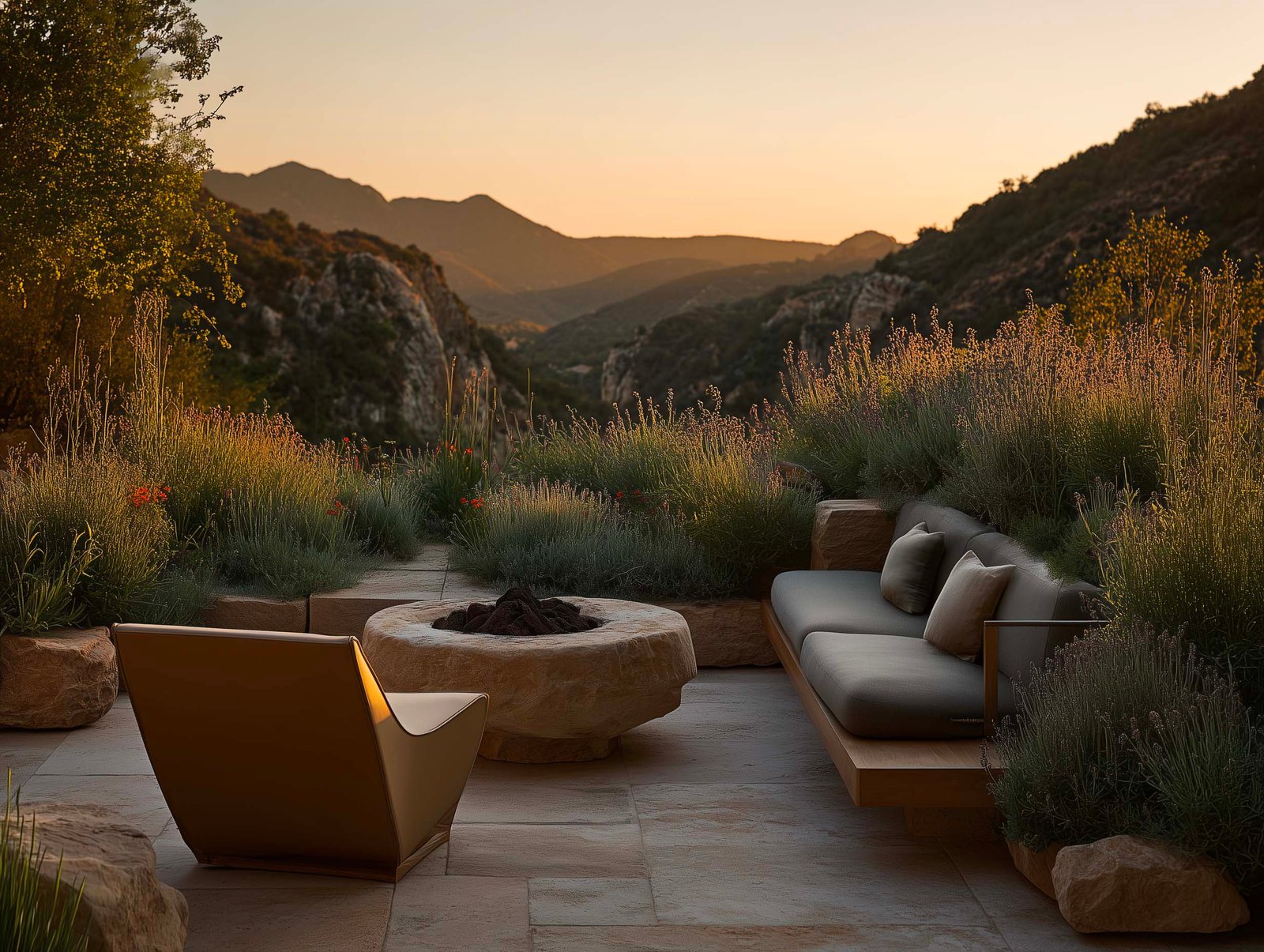
Private Living Environments
Designing intimate sanctuaries through botanical architecture
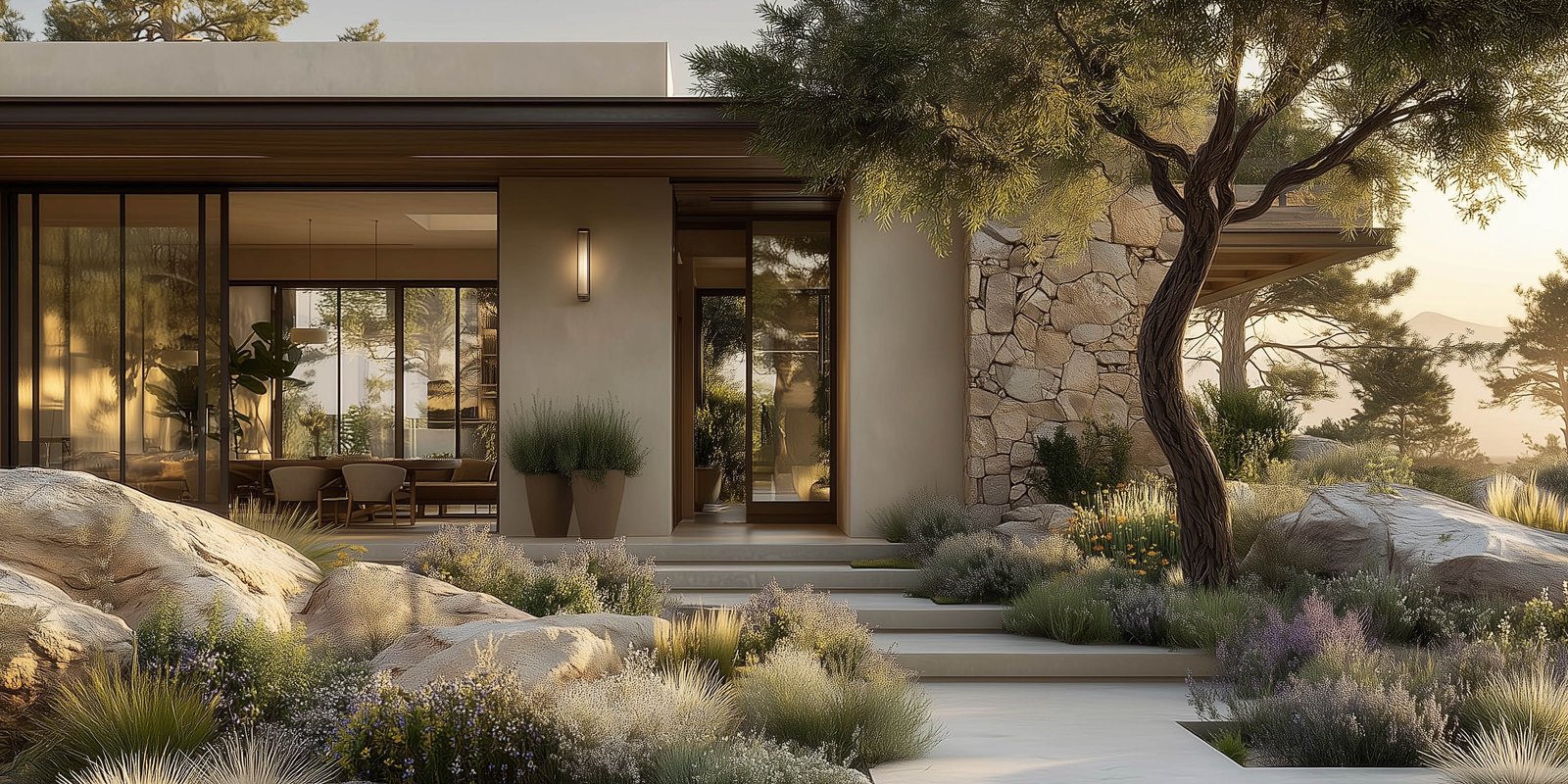
Private living environments are not conceived as outdoor additions,
but as living extensions of the home.
Each garden, terrace or retreat is designed as a sequence —
guided by intention, sensory balance and the intelligence of plants.
Light, rhythm, materials and botanical structures shape places
that evolve with life, seasons and personal rituals.
Rooted in Mediterranean sensibility and refined through Californian practice,
transformative luxury becomes a lived, everyday reality.
Living Sequences & Botanical Architecture
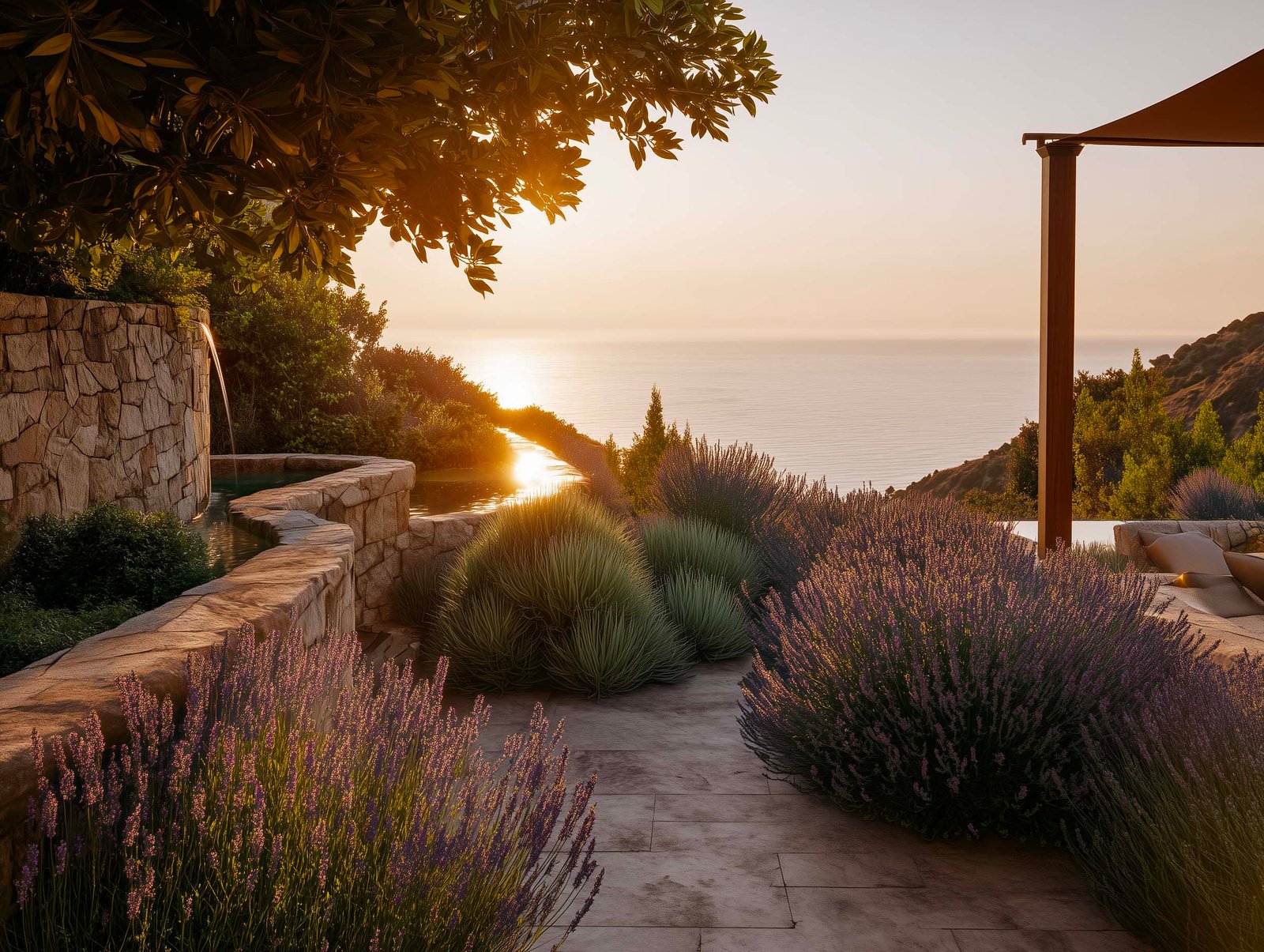
Gardens are not static compositions. They are designed as spatial sequences — where moments of openness alternate with refuge, where density gives way to silence, and where botanical structure supports presence and calm.
Time, Ritual & Everyday Wellbeing
Private gardens mature over time.
They accompany daily life as well as rare moments —
summer gatherings, quiet mornings, seasonal rituals,
or moments of retreat and contemplation.
Through botanical architecture, sensory intelligence
and a precise understanding of place,
these environments become sanctuaries of restoration
and personal expression.
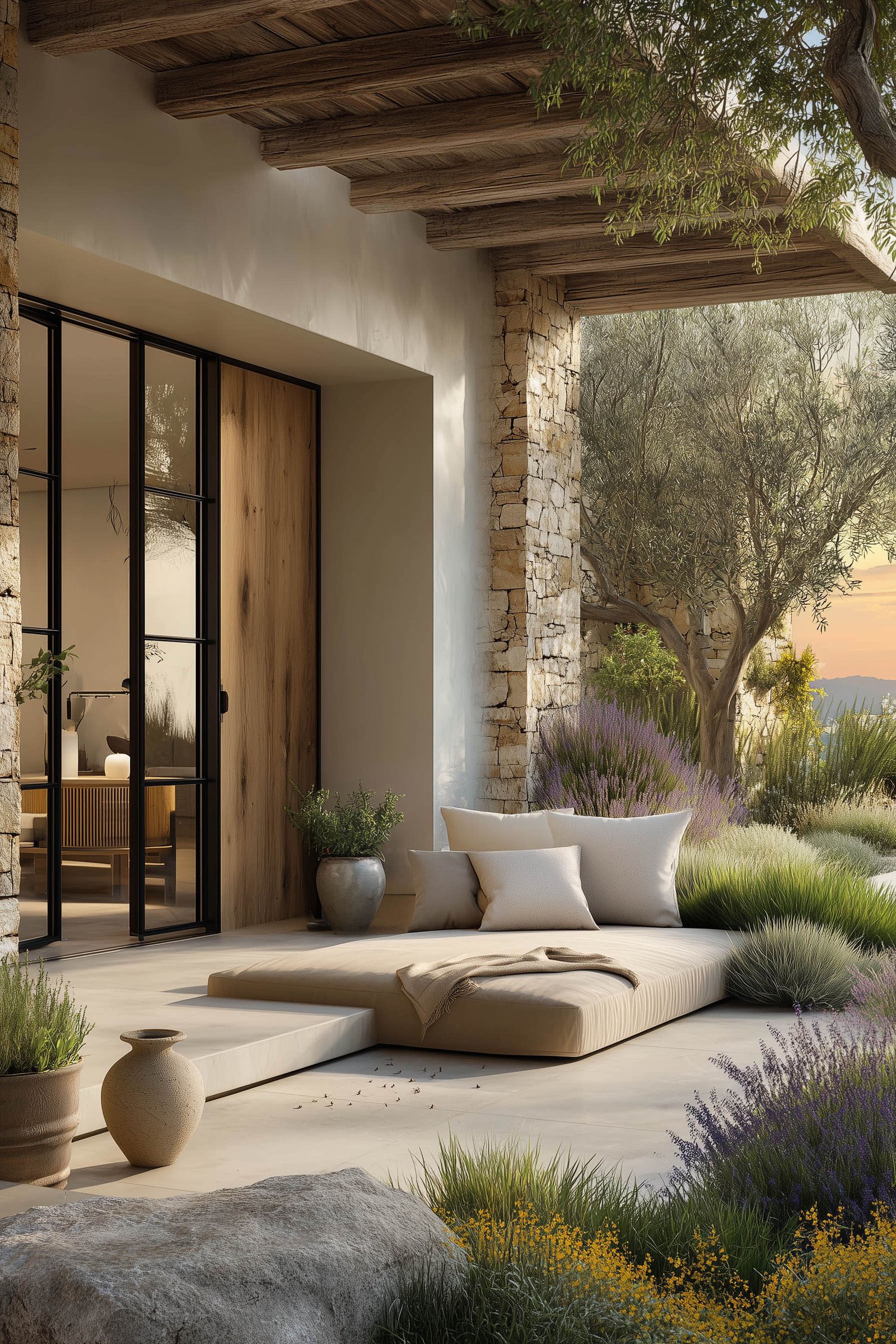
Arrival & Threshold Spaces
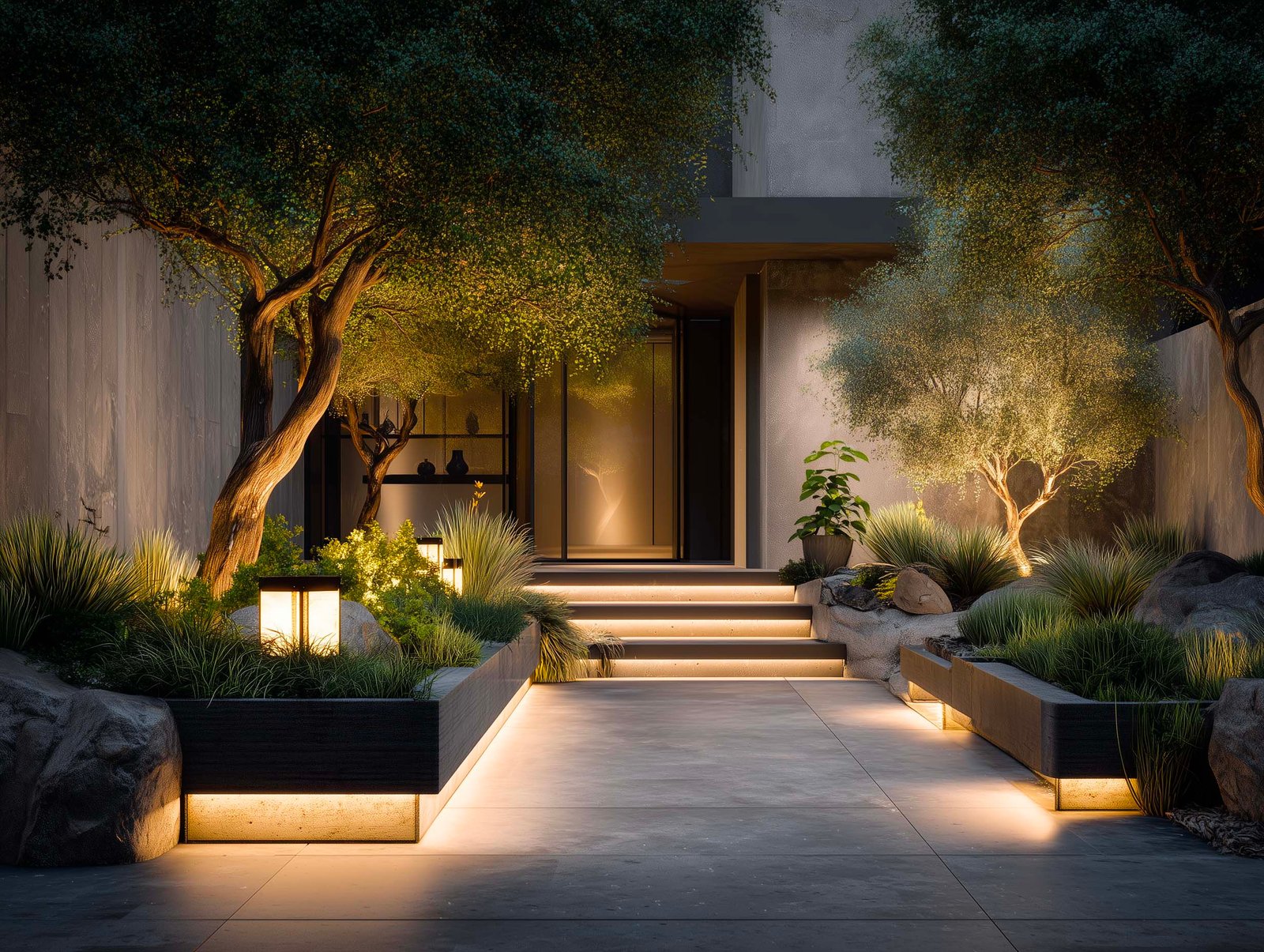
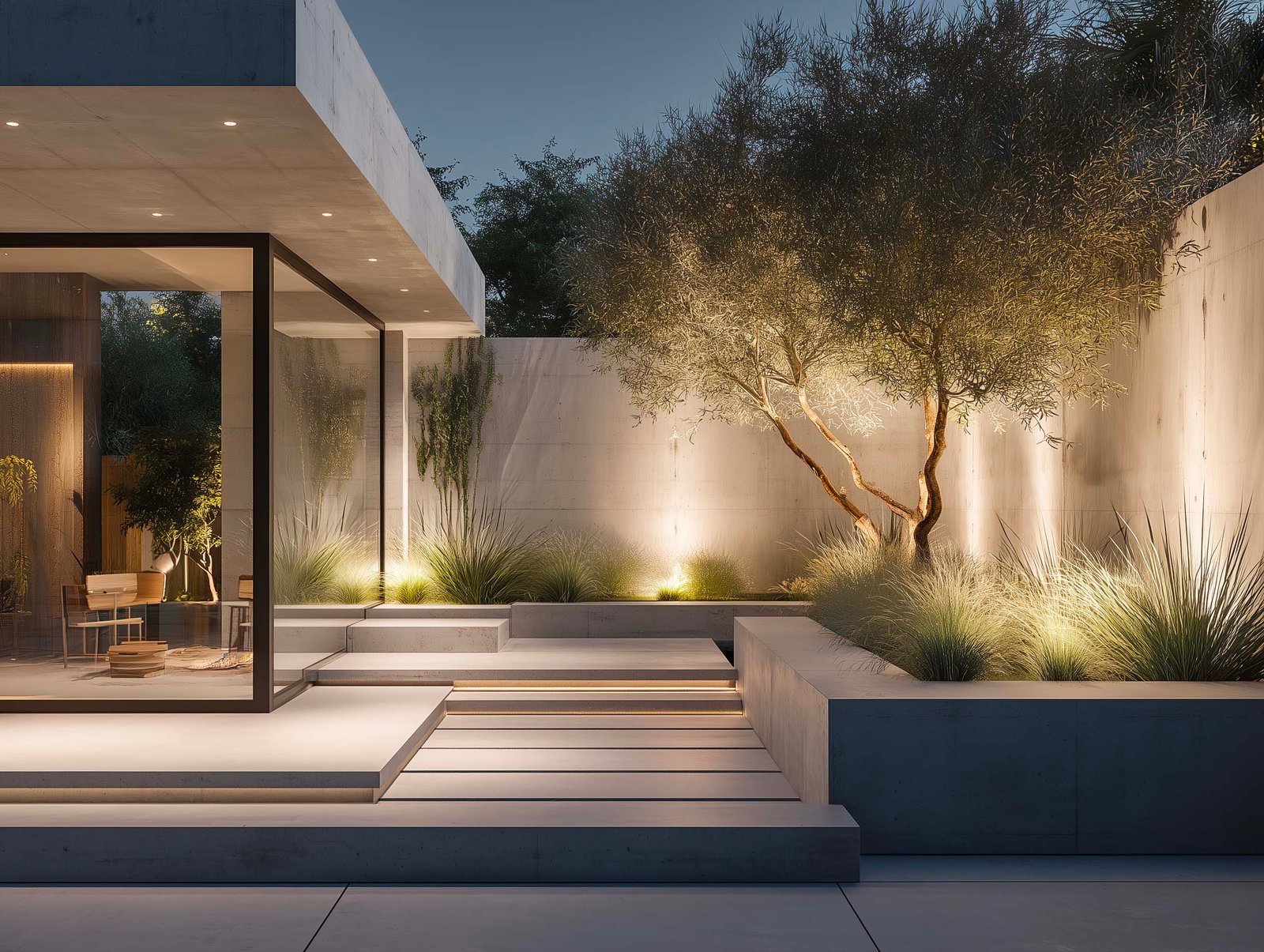
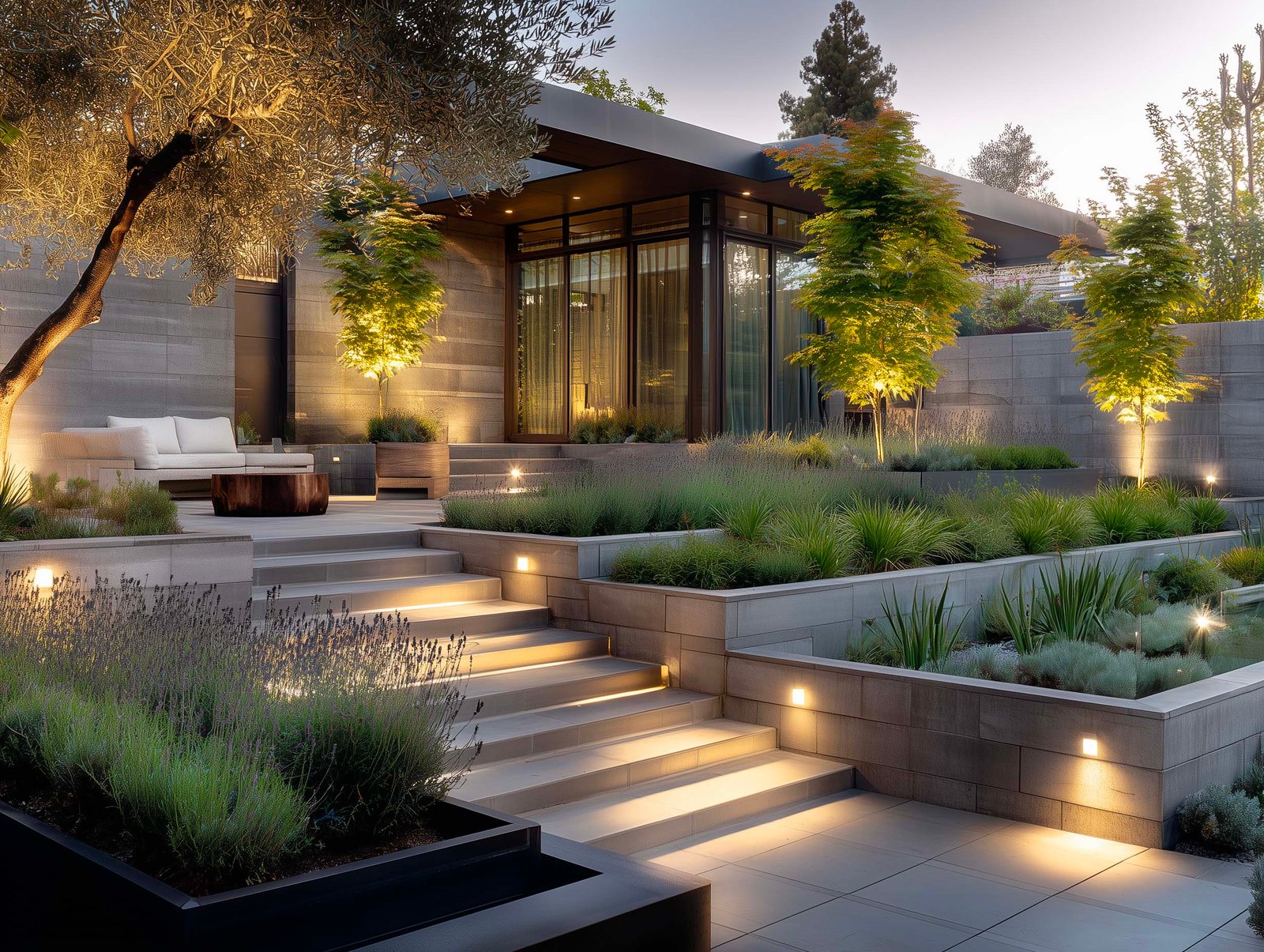
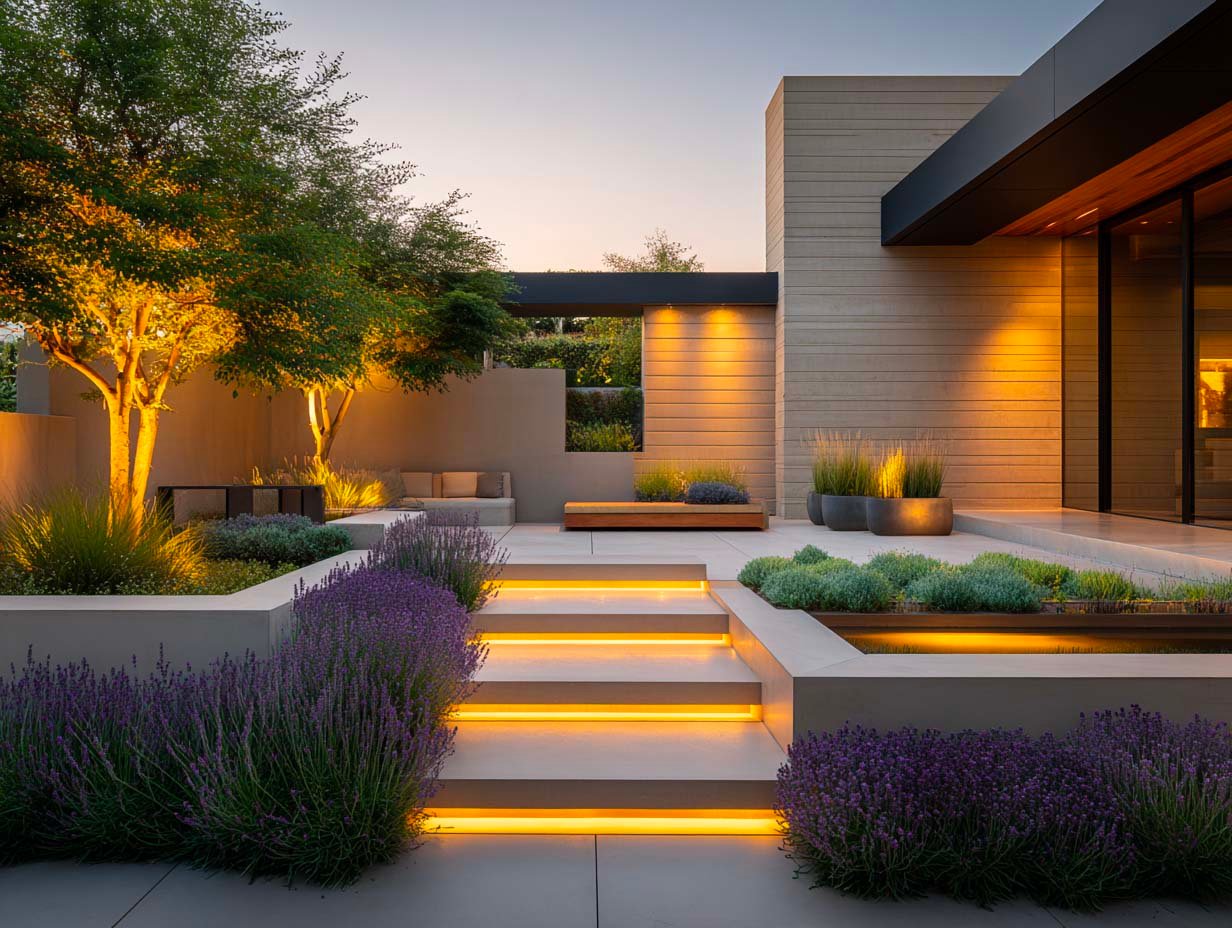
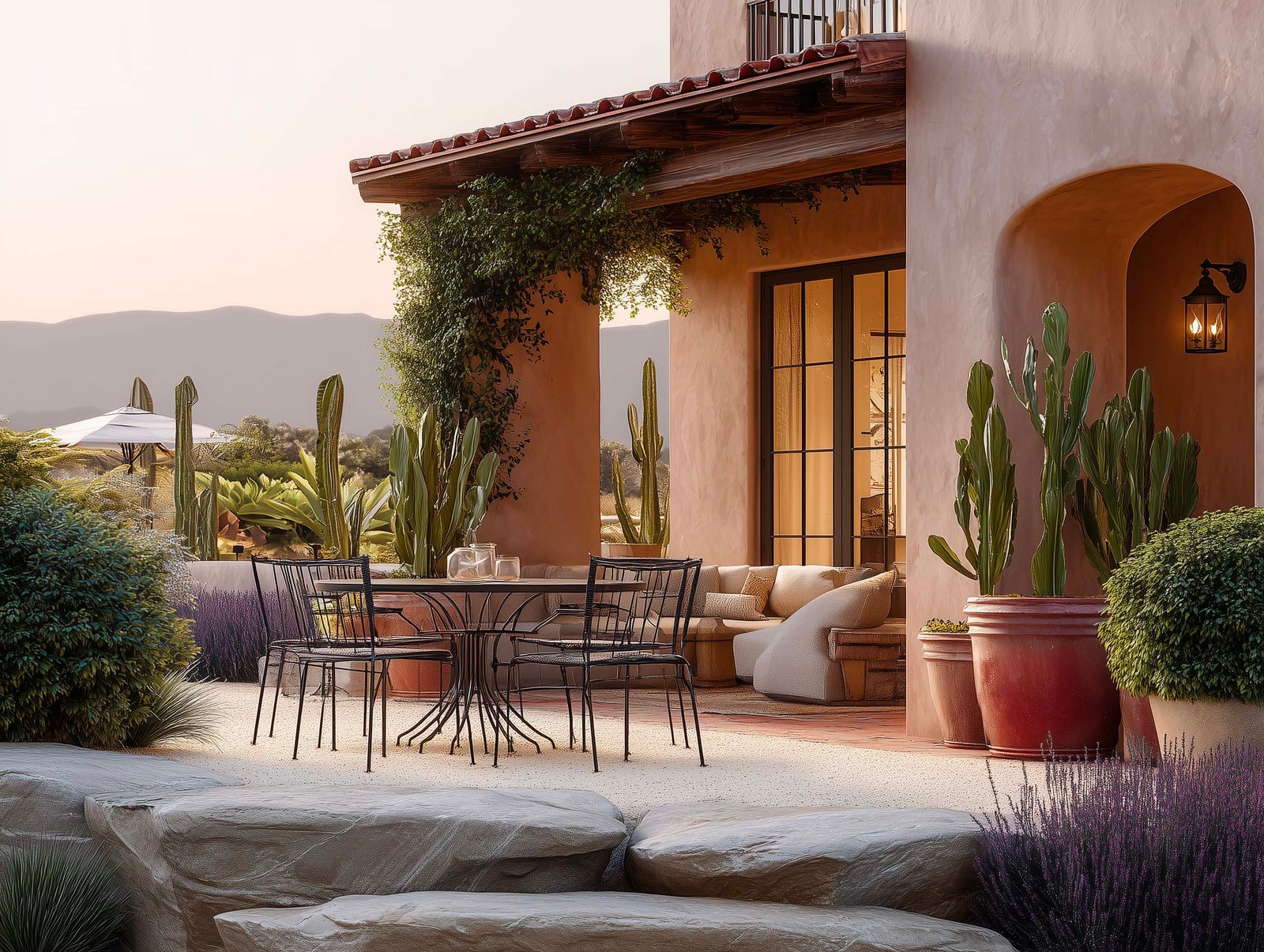
The first impression of a place is often silent. Entrances and patios are conceived as thresholds — guiding movement, perception and spatial tone from the very first step.
Terraces as Living Rooms
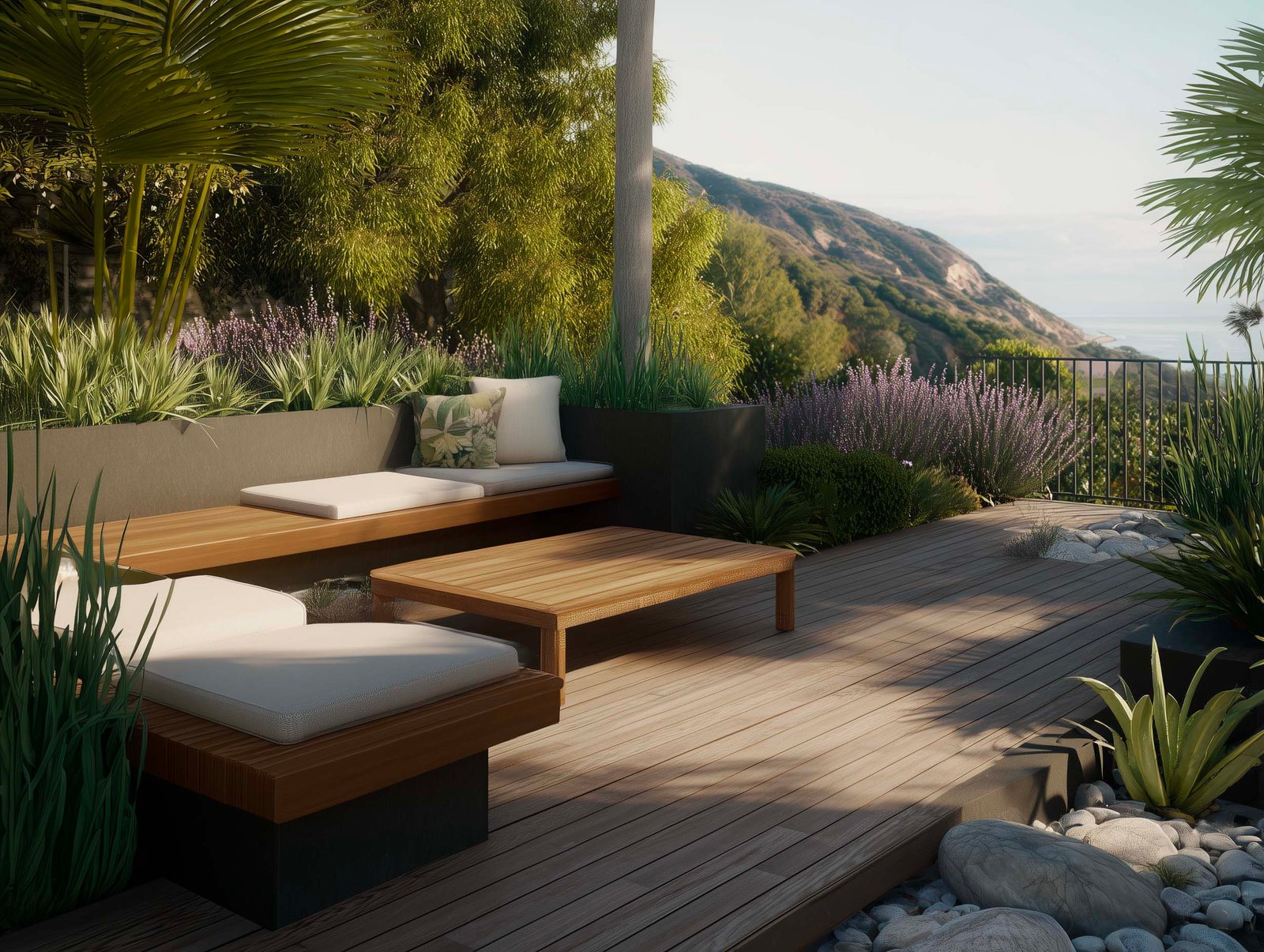
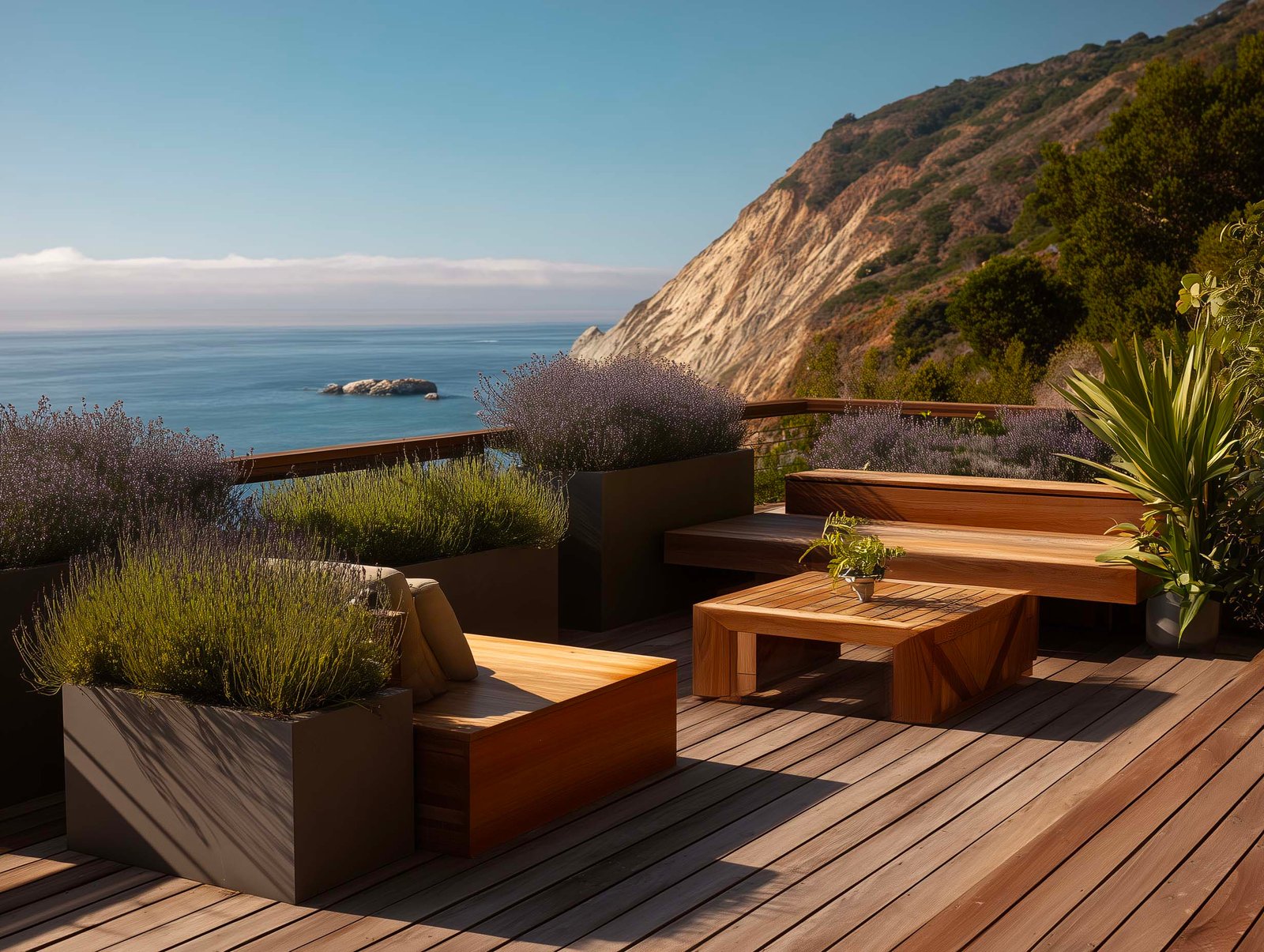
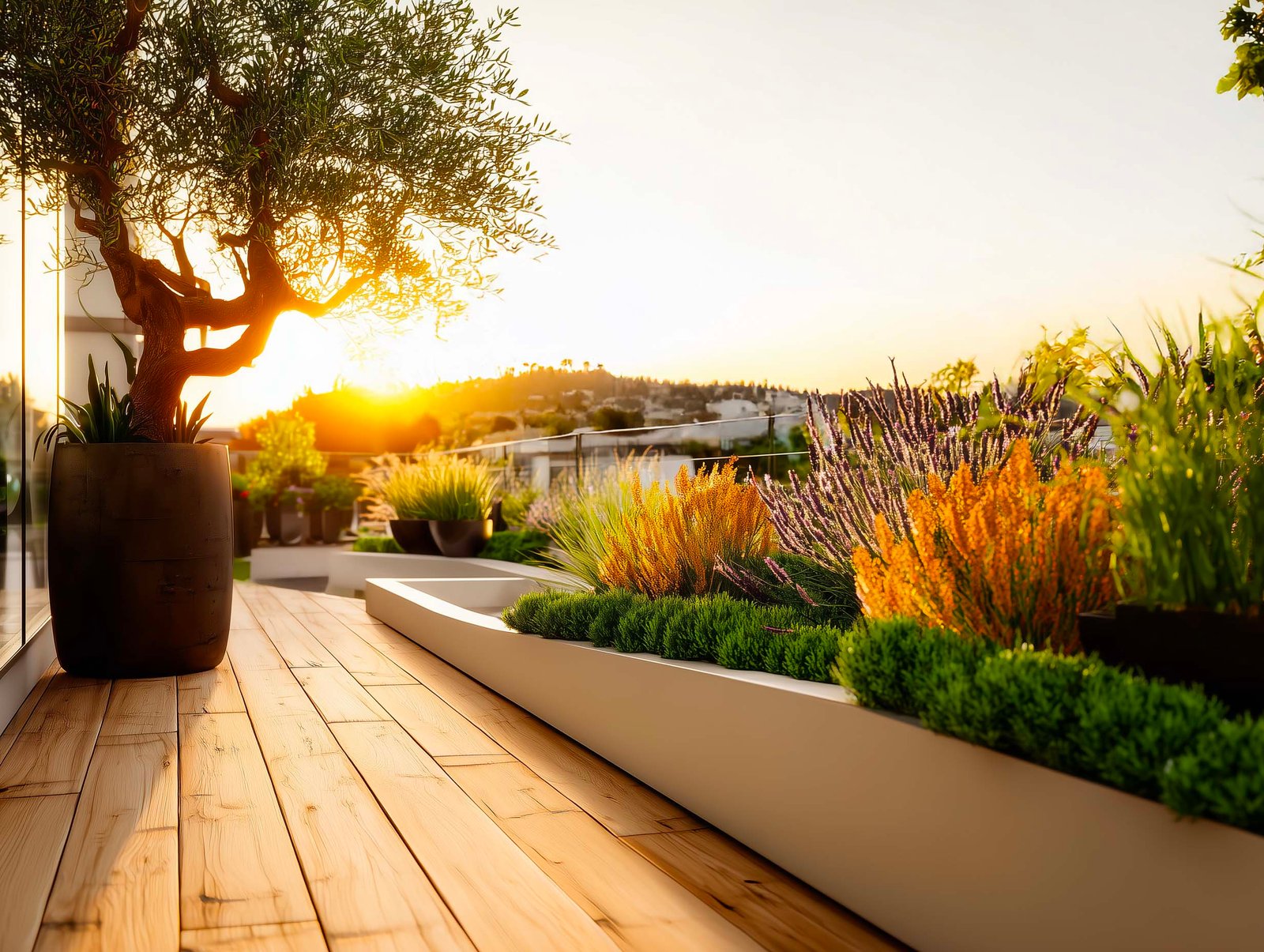
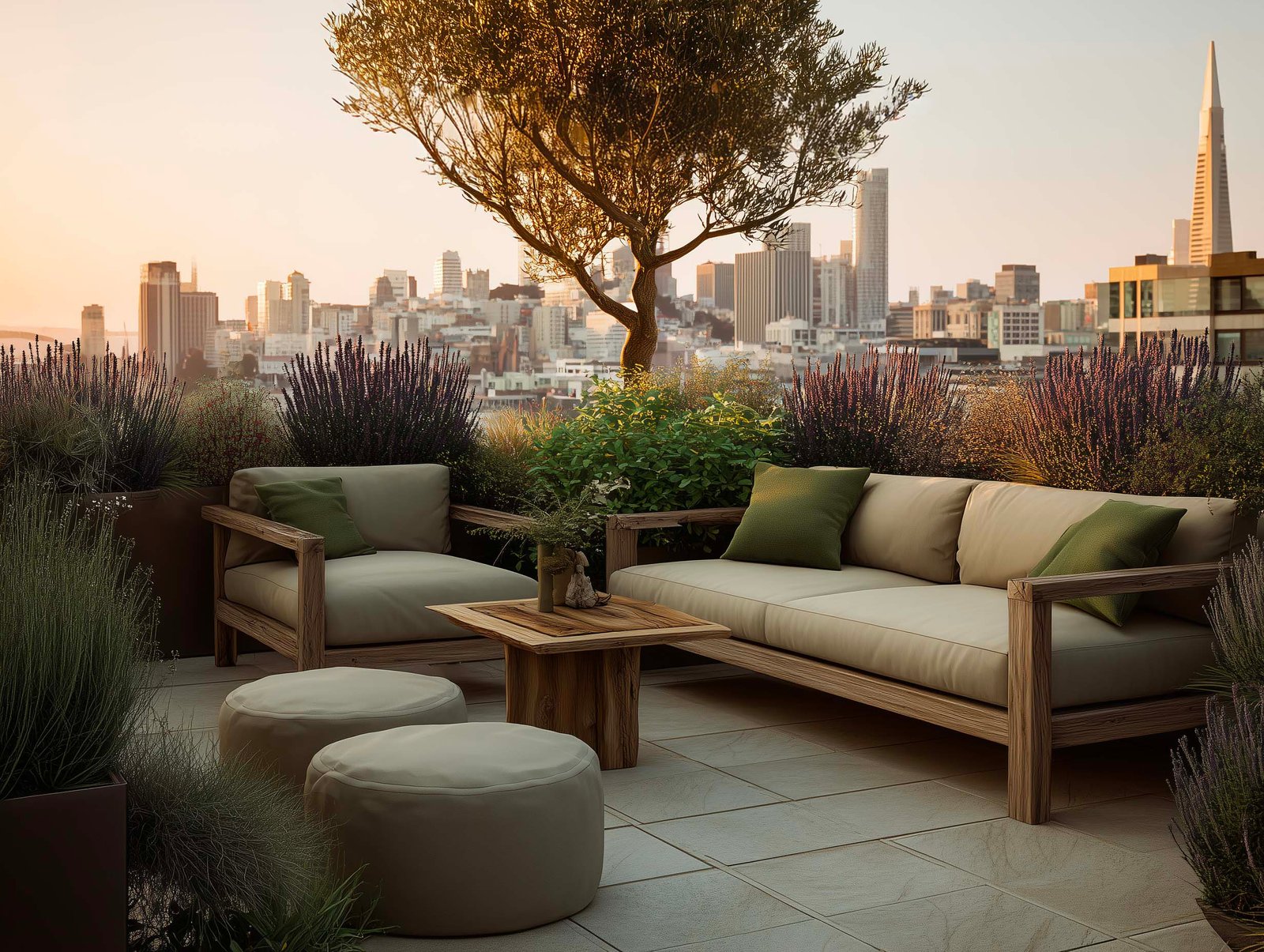
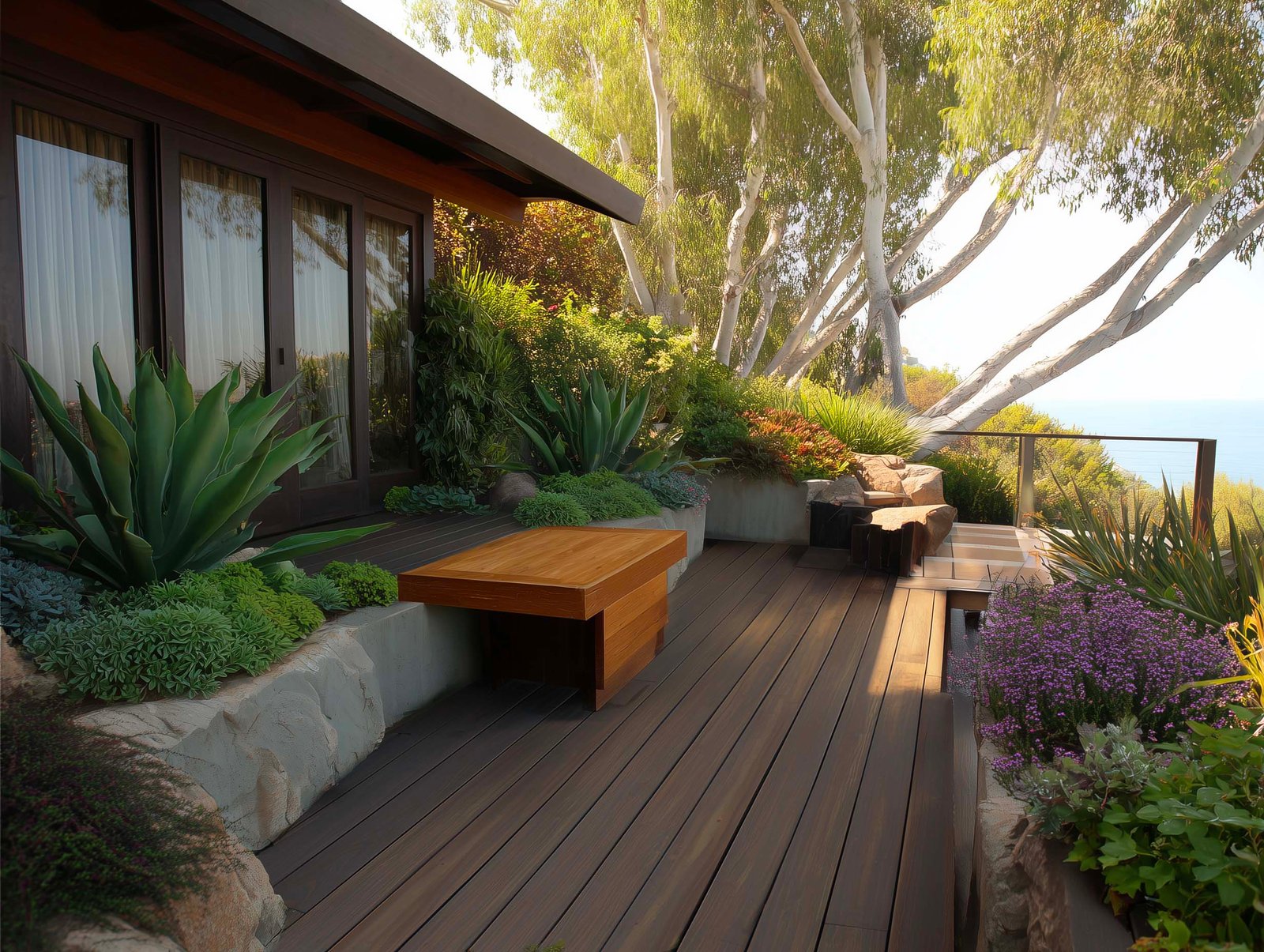
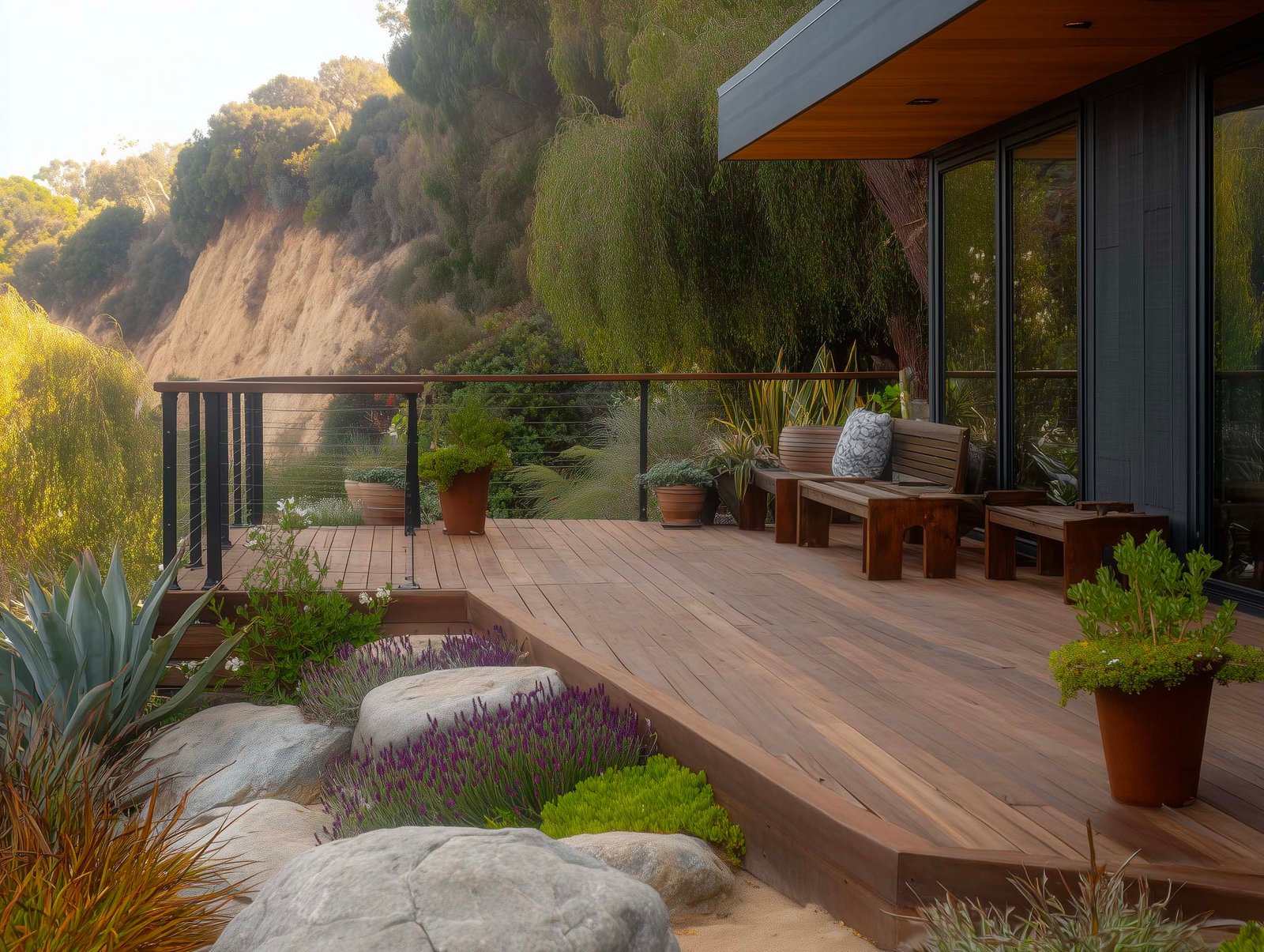
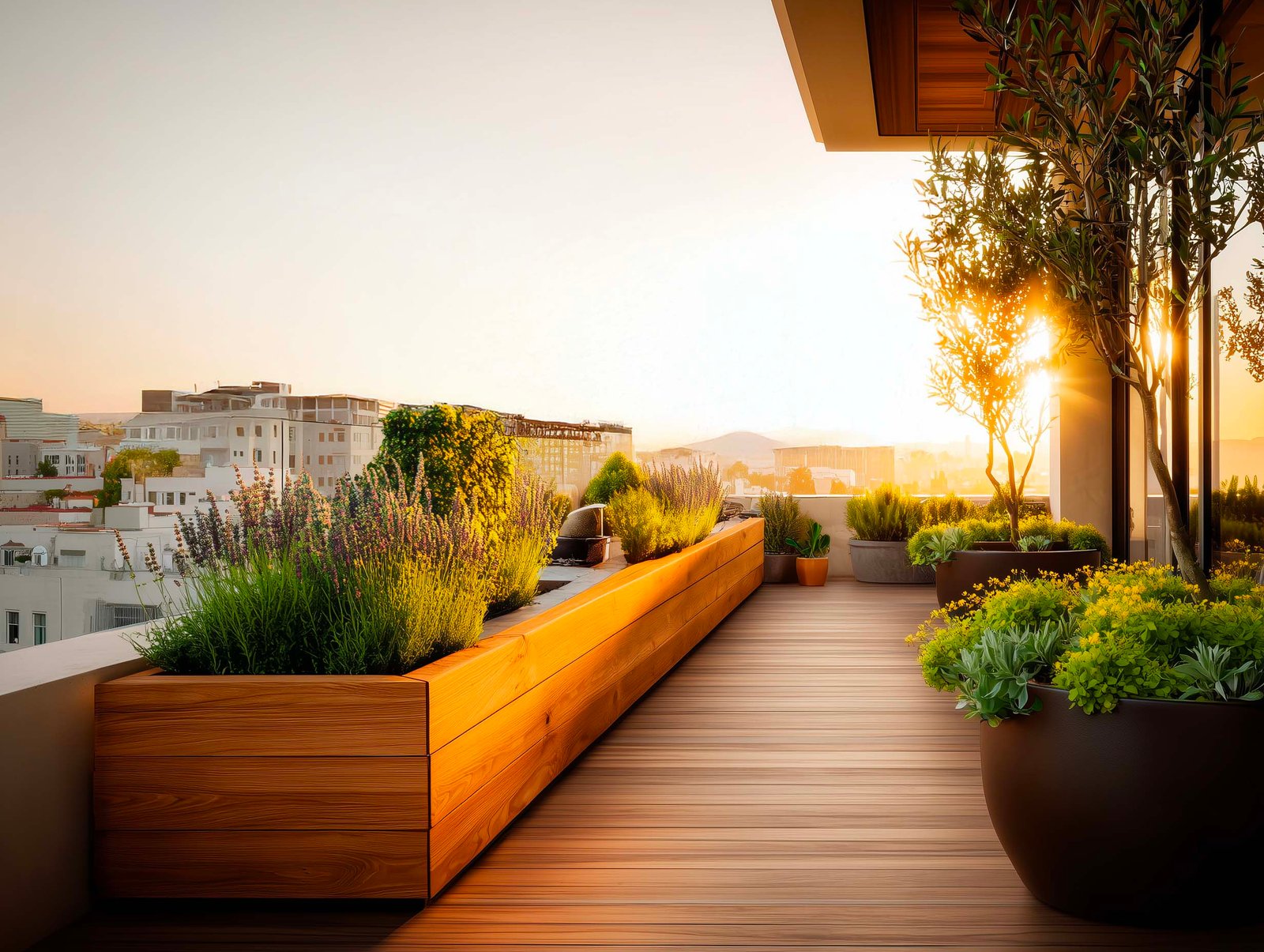
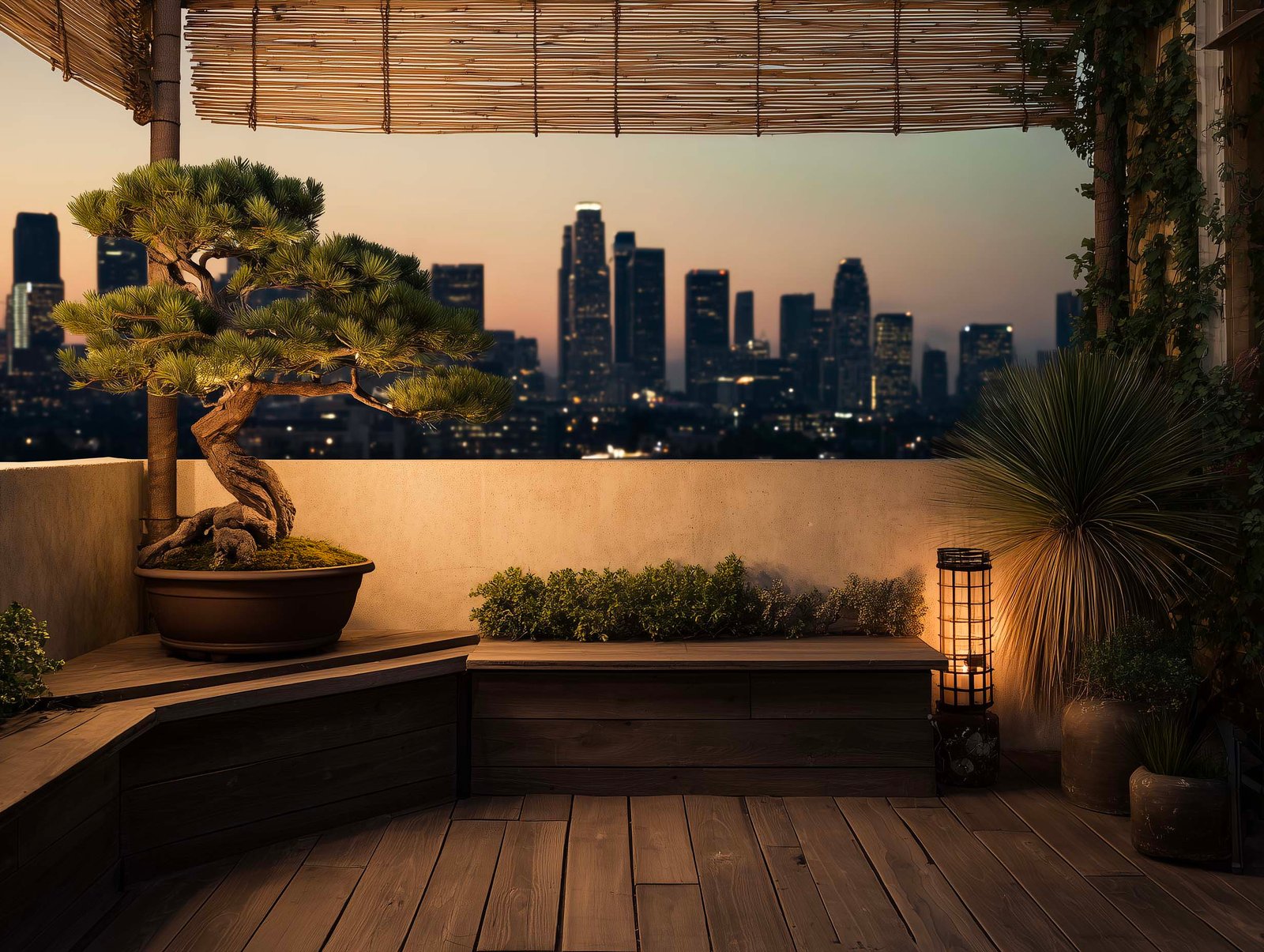
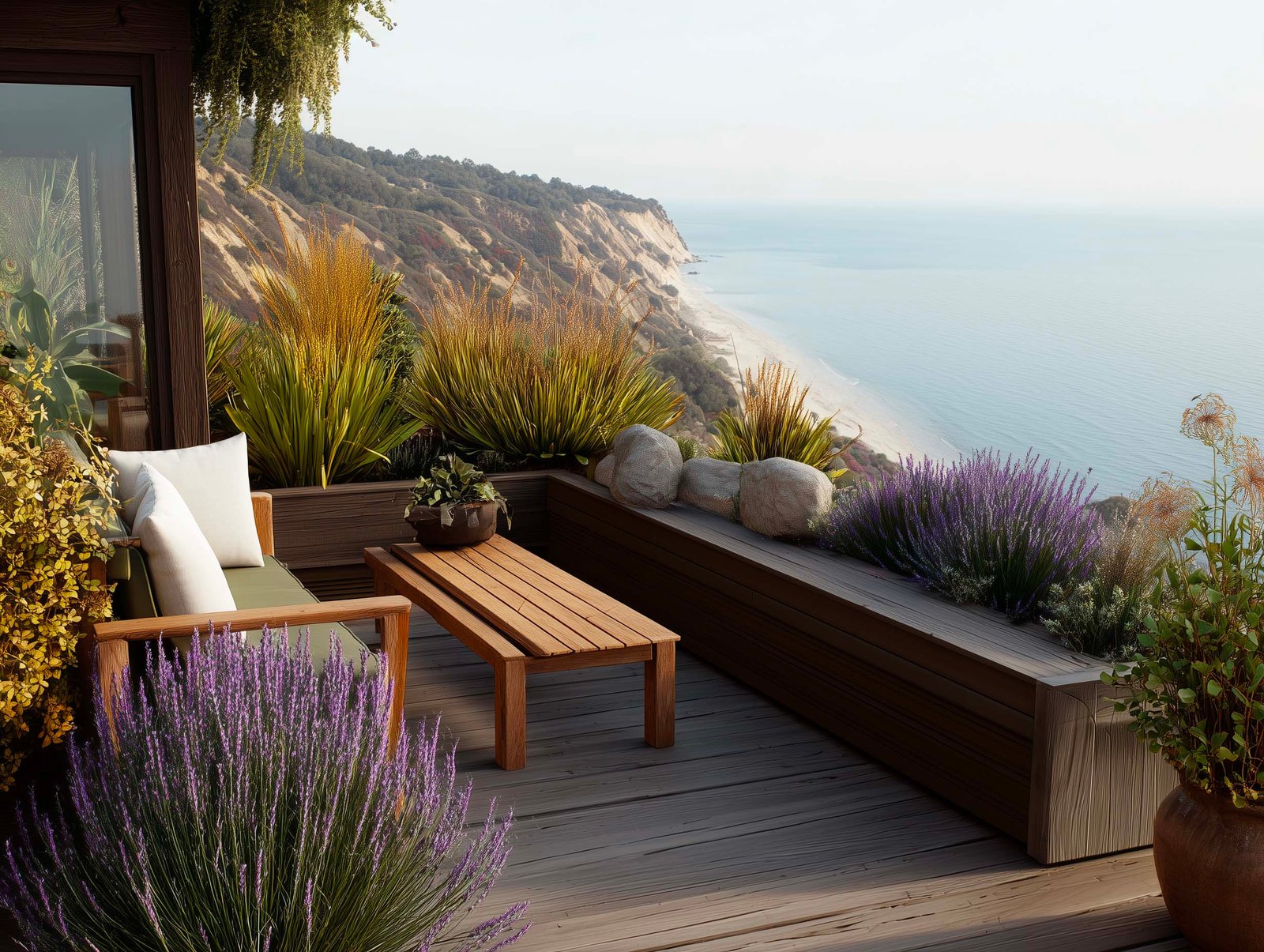
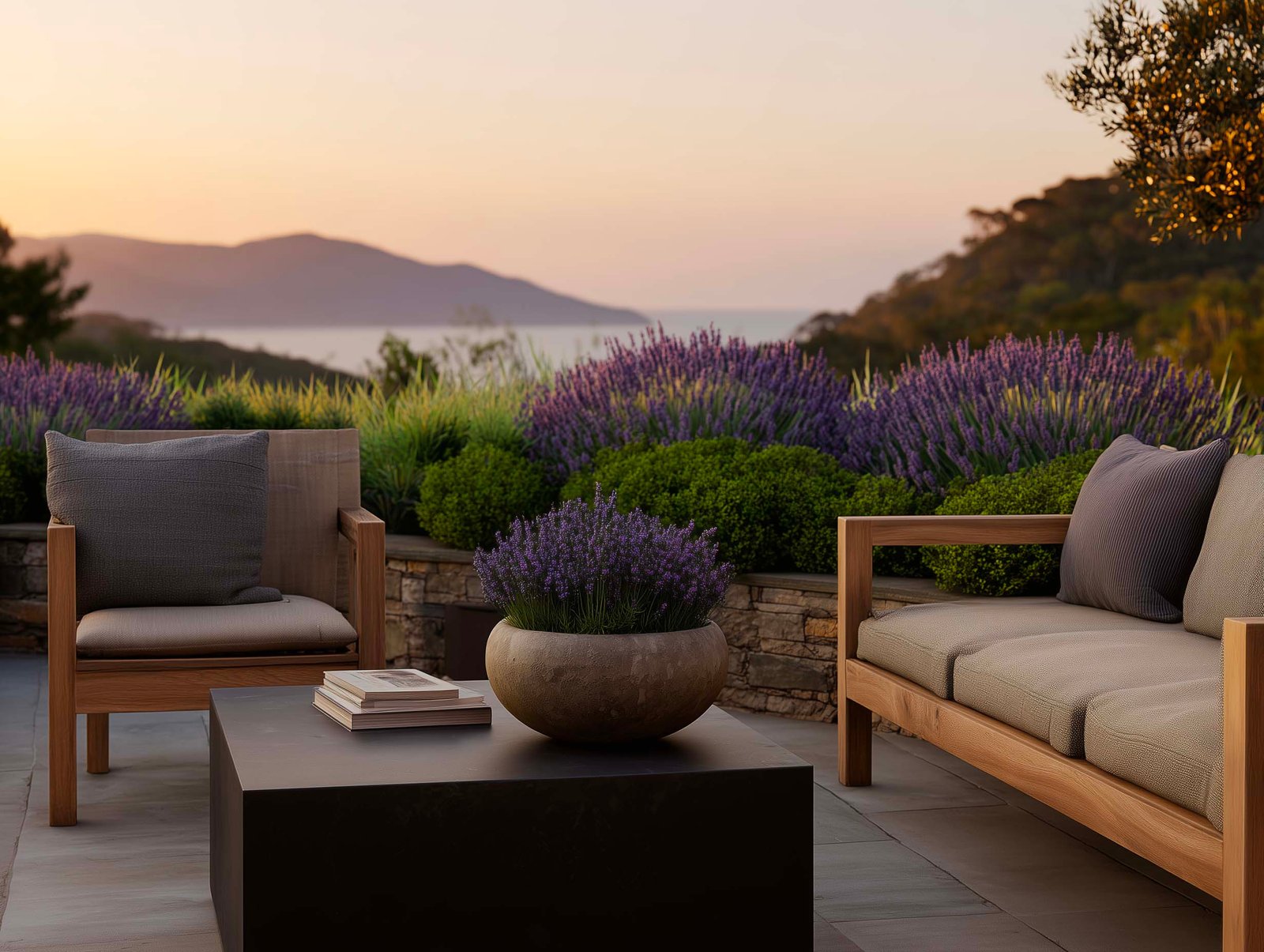
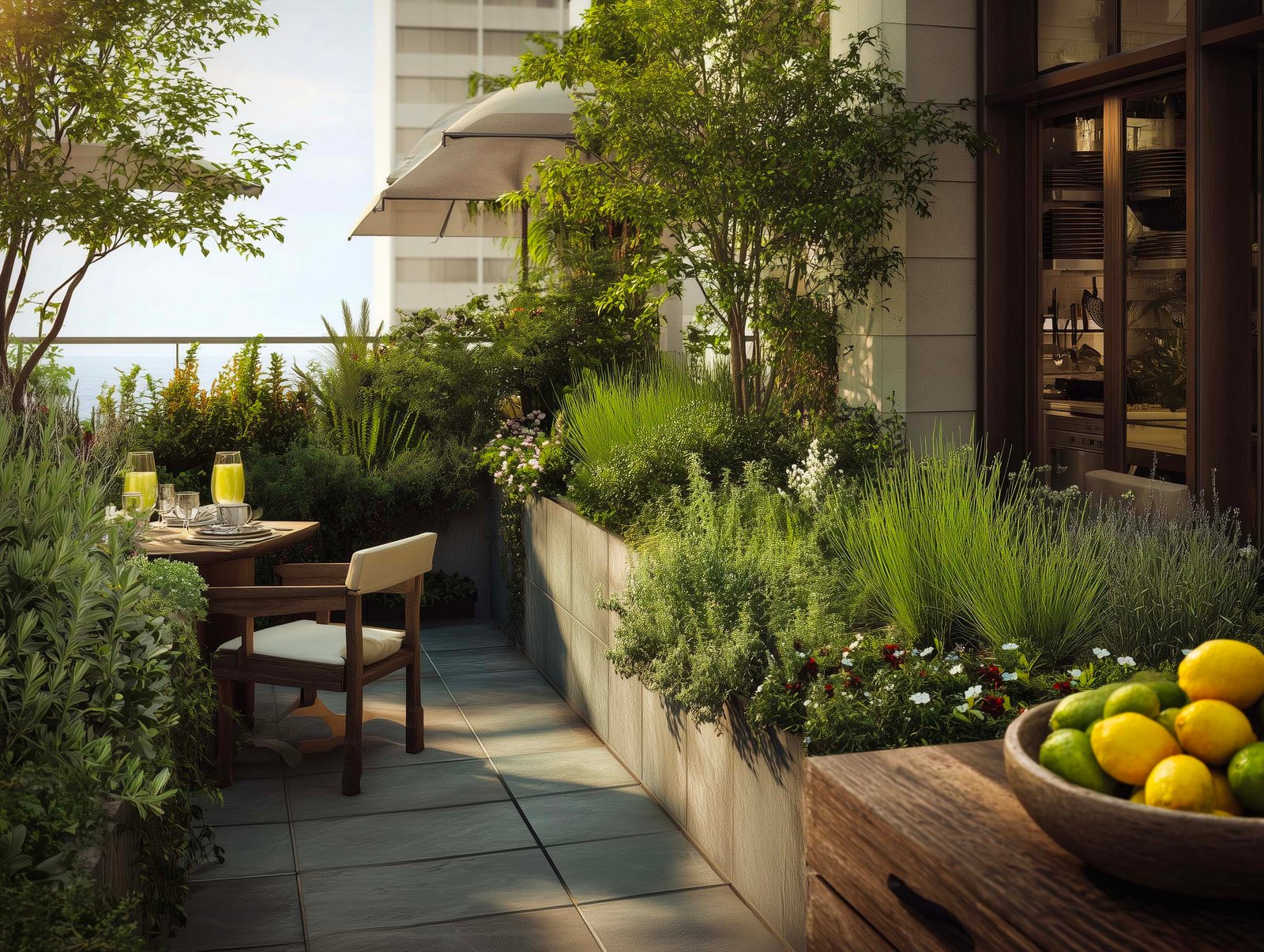
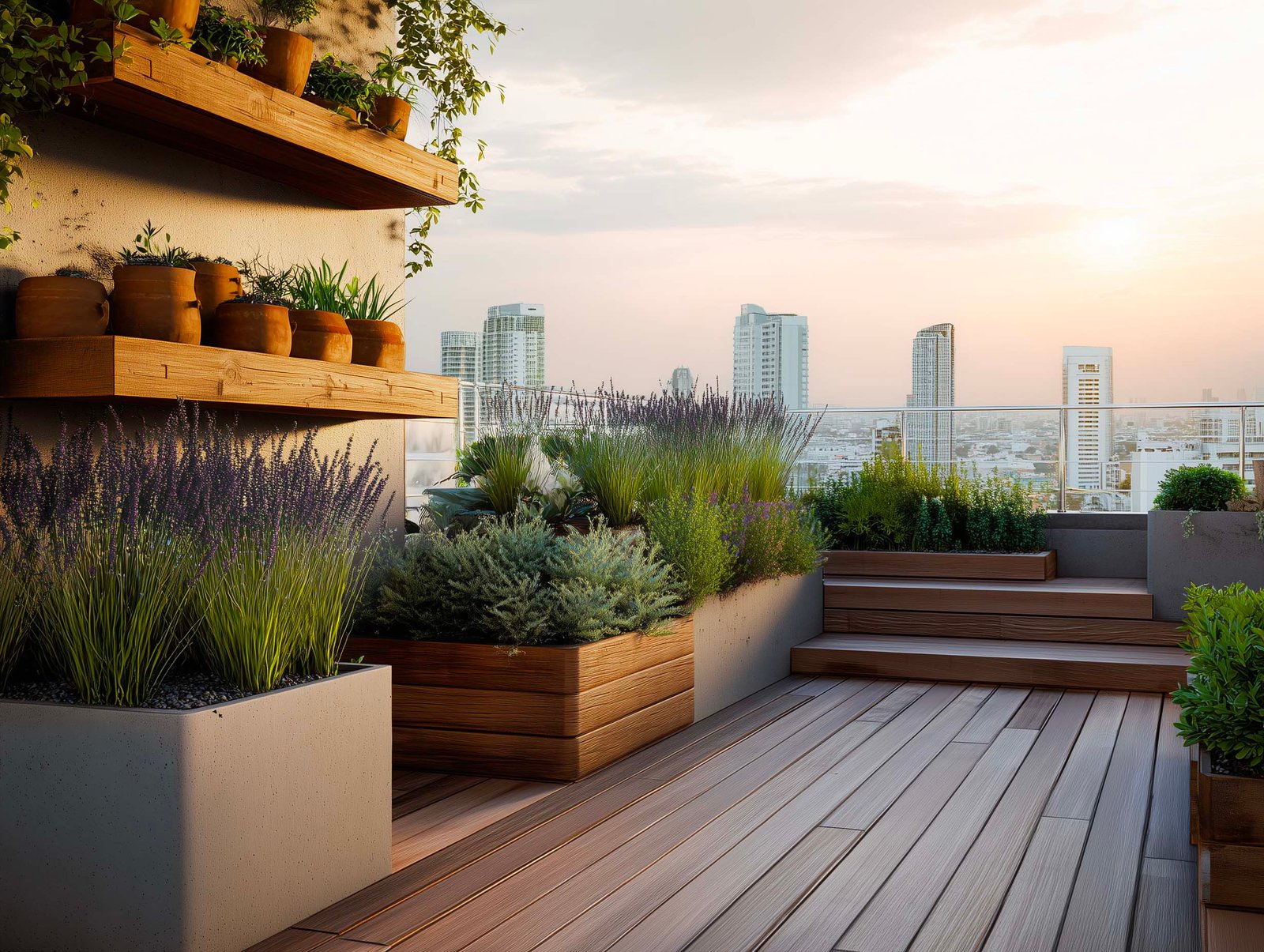
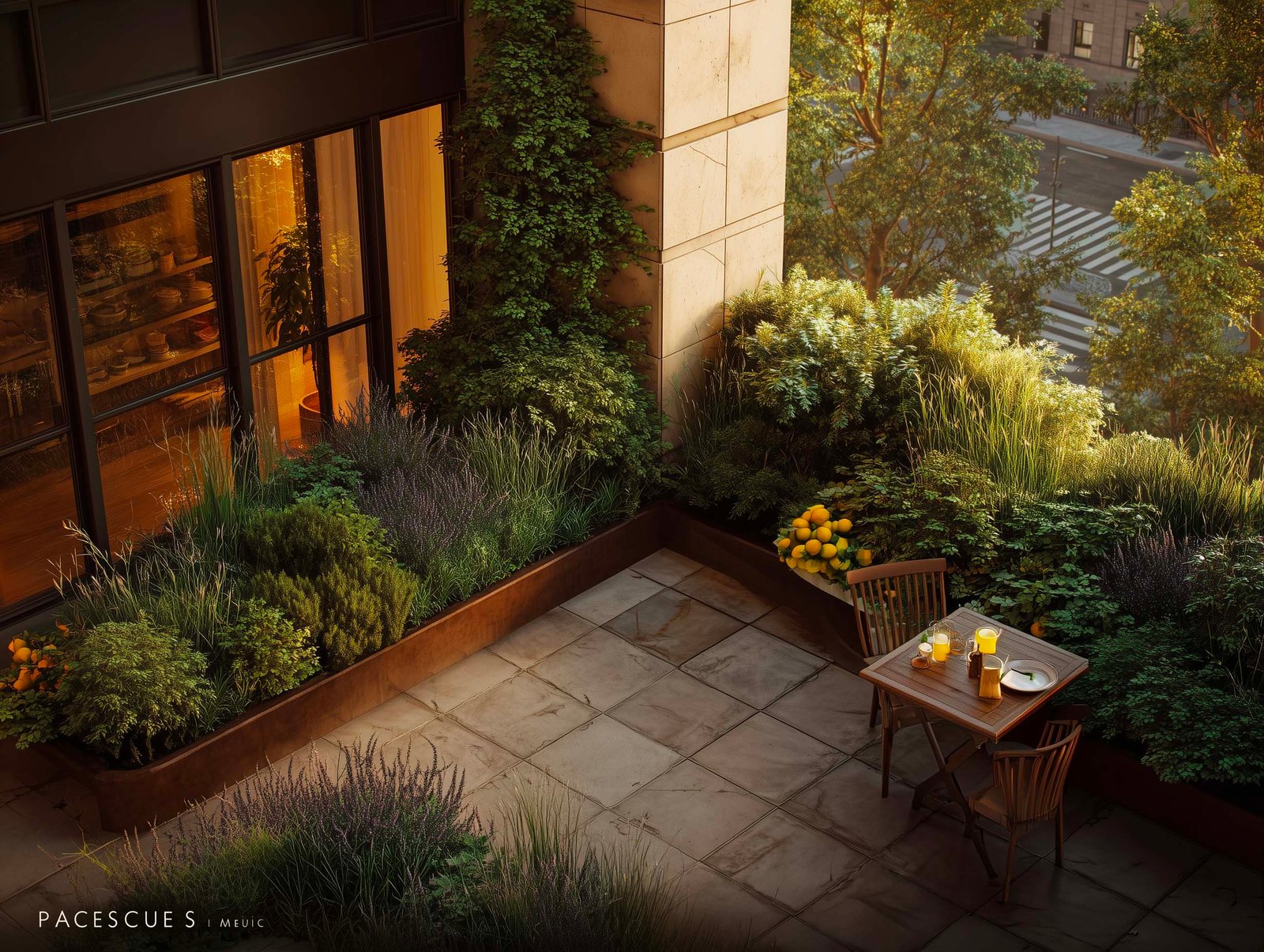
Terraces are no longer secondary spaces. They become open-air living rooms — extending daily life outdoors through comfort, vegetation and architectural balance.
Protected Patios & Inner Calm
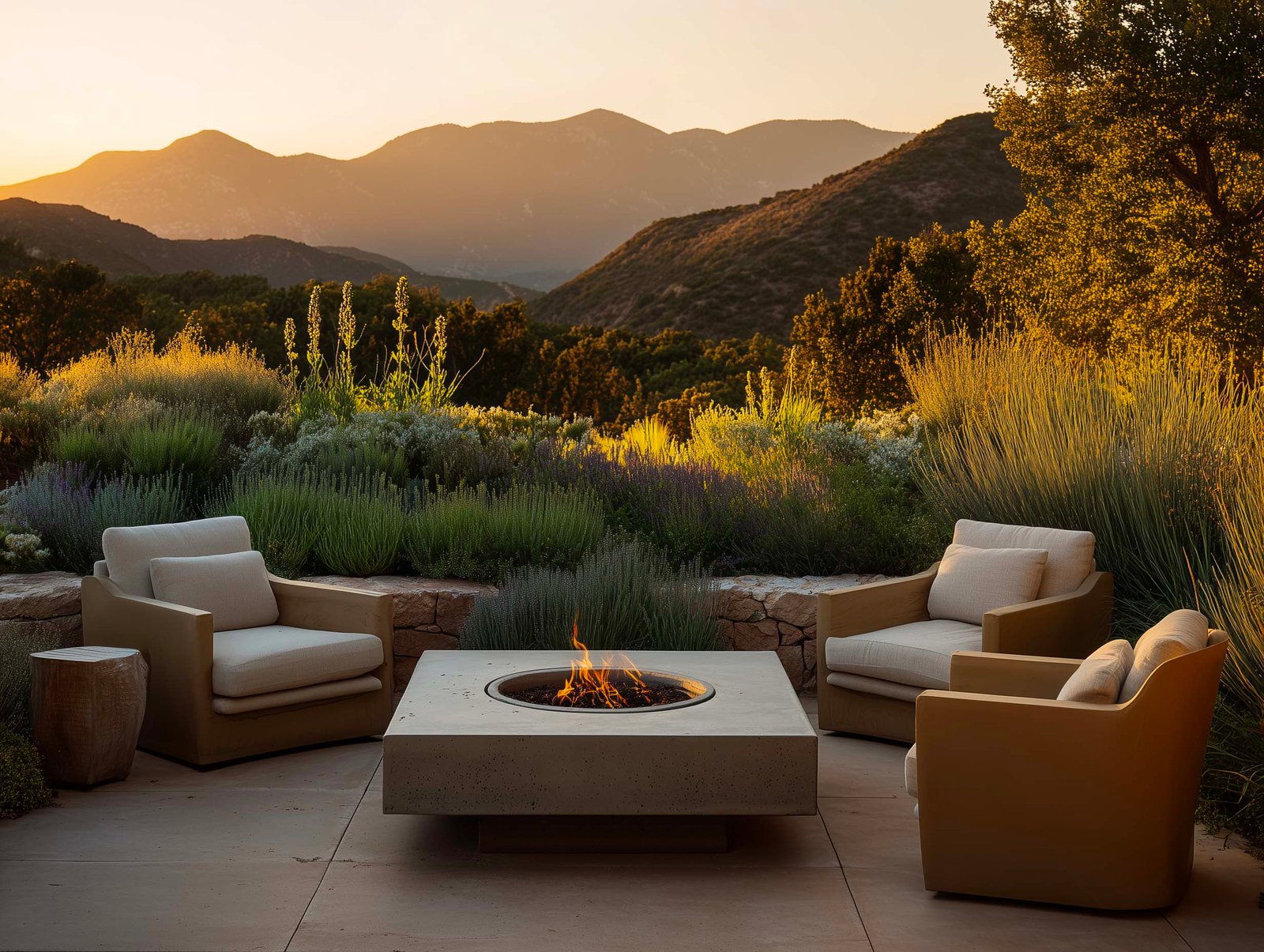
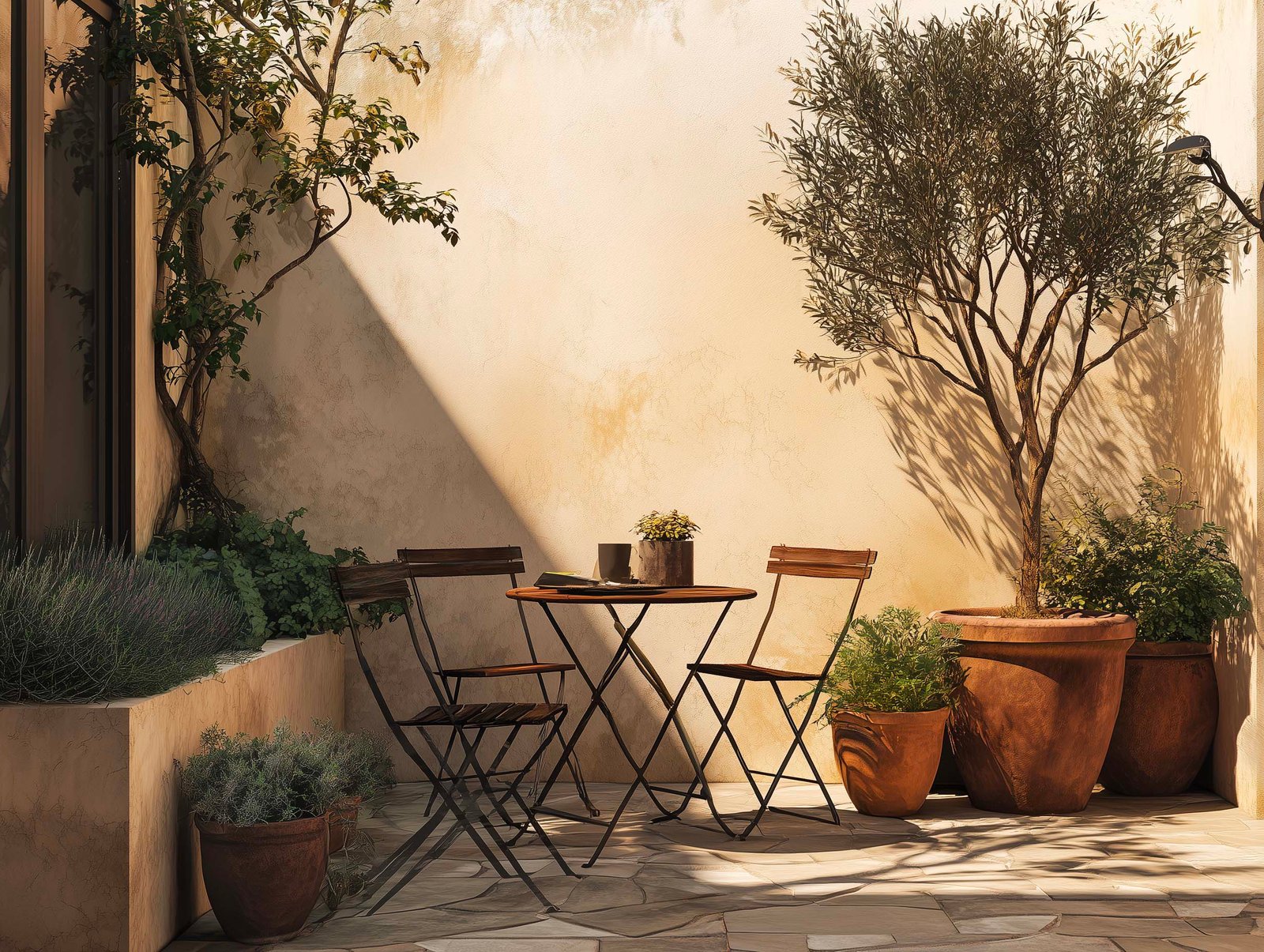
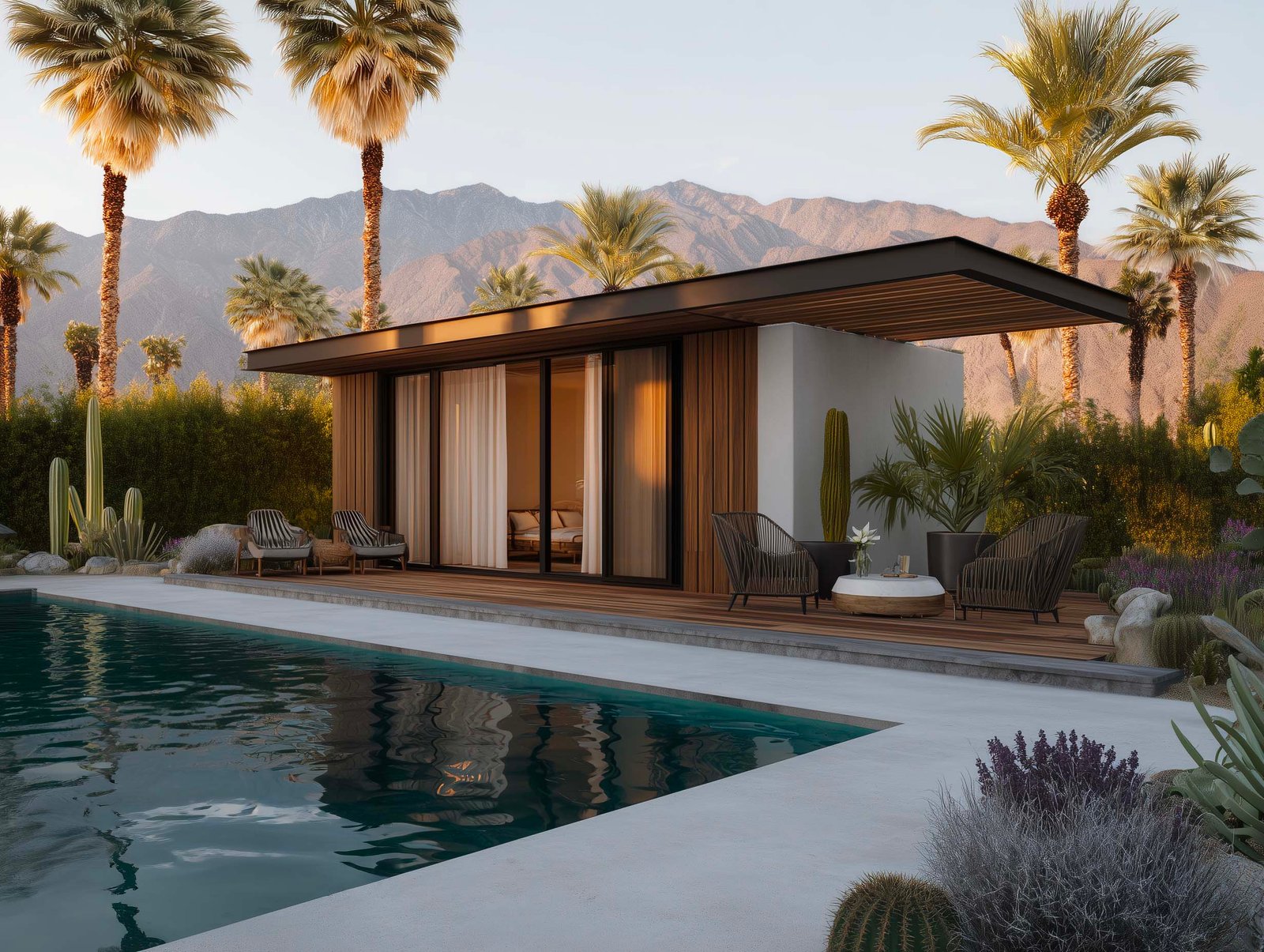
Between openness and retreat, patios offer a protected dimension of space. Sheltered yet open to light and air, they become places of pause and quiet presence.
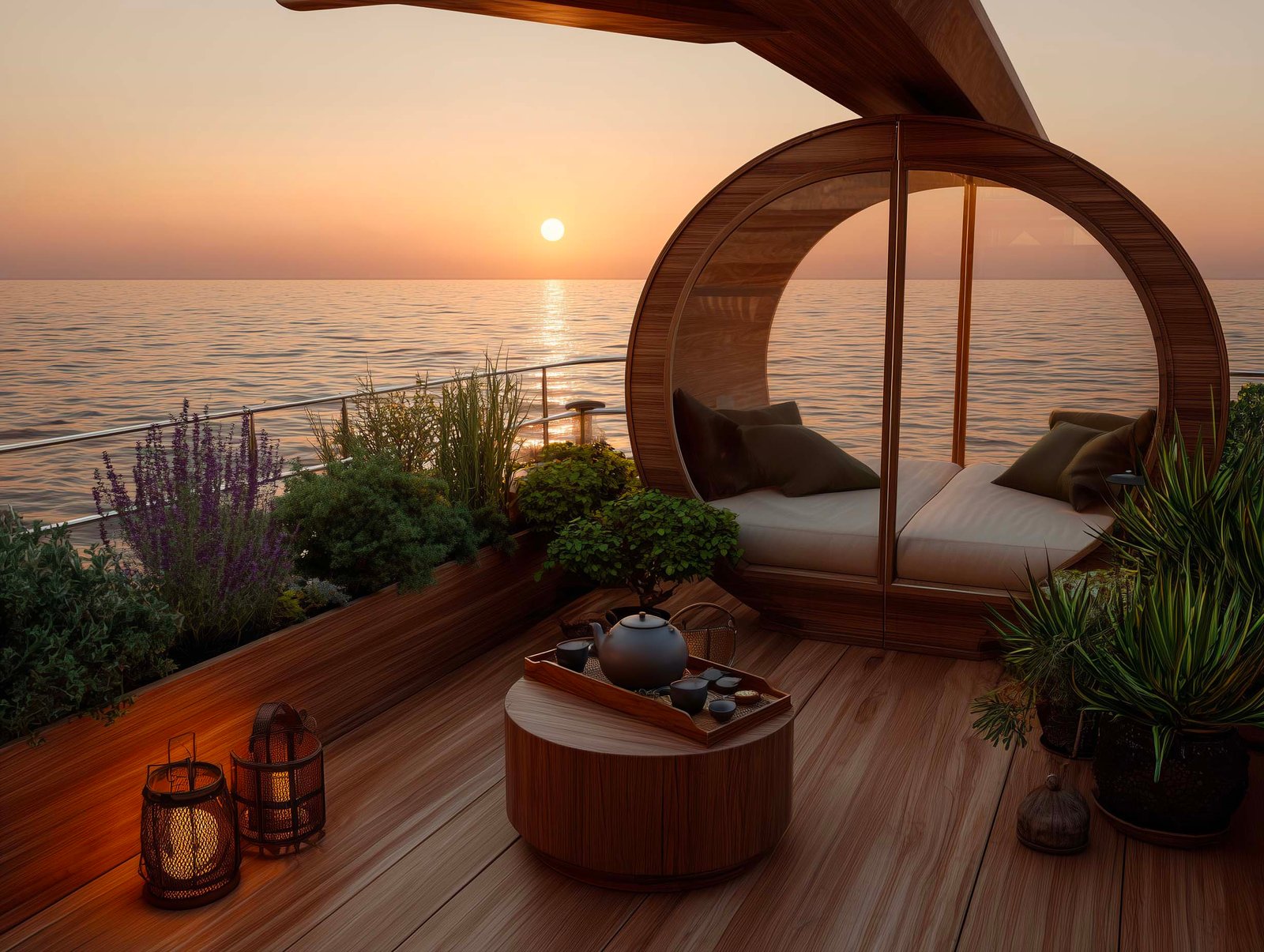
Culinary & Shared Rituals
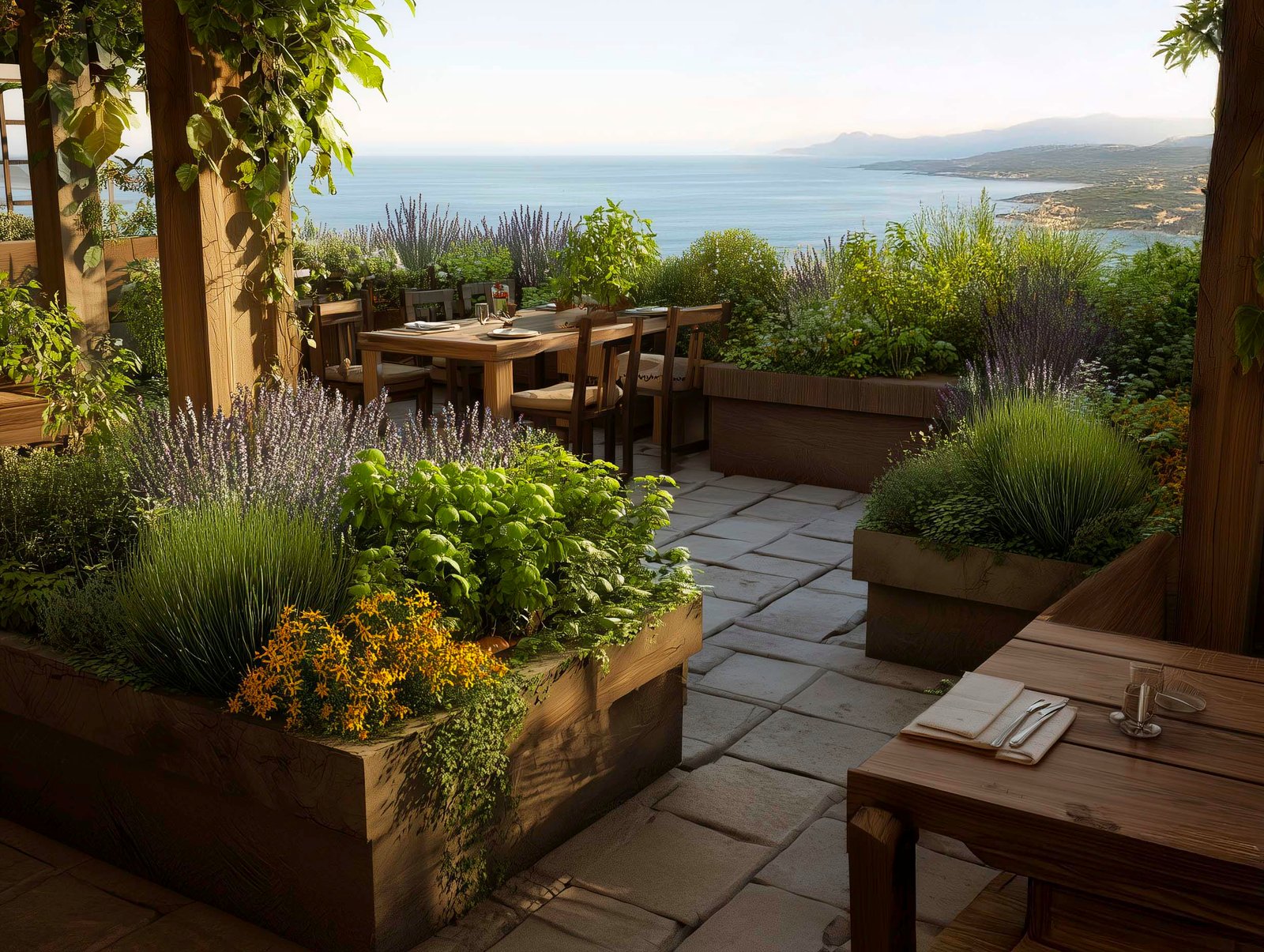
Gardens are also places of sharing. Culinary gardens and immersive dining spaces connect seasonality, taste and human presence through ritual.
Immersive Retreats & Sensory Depth
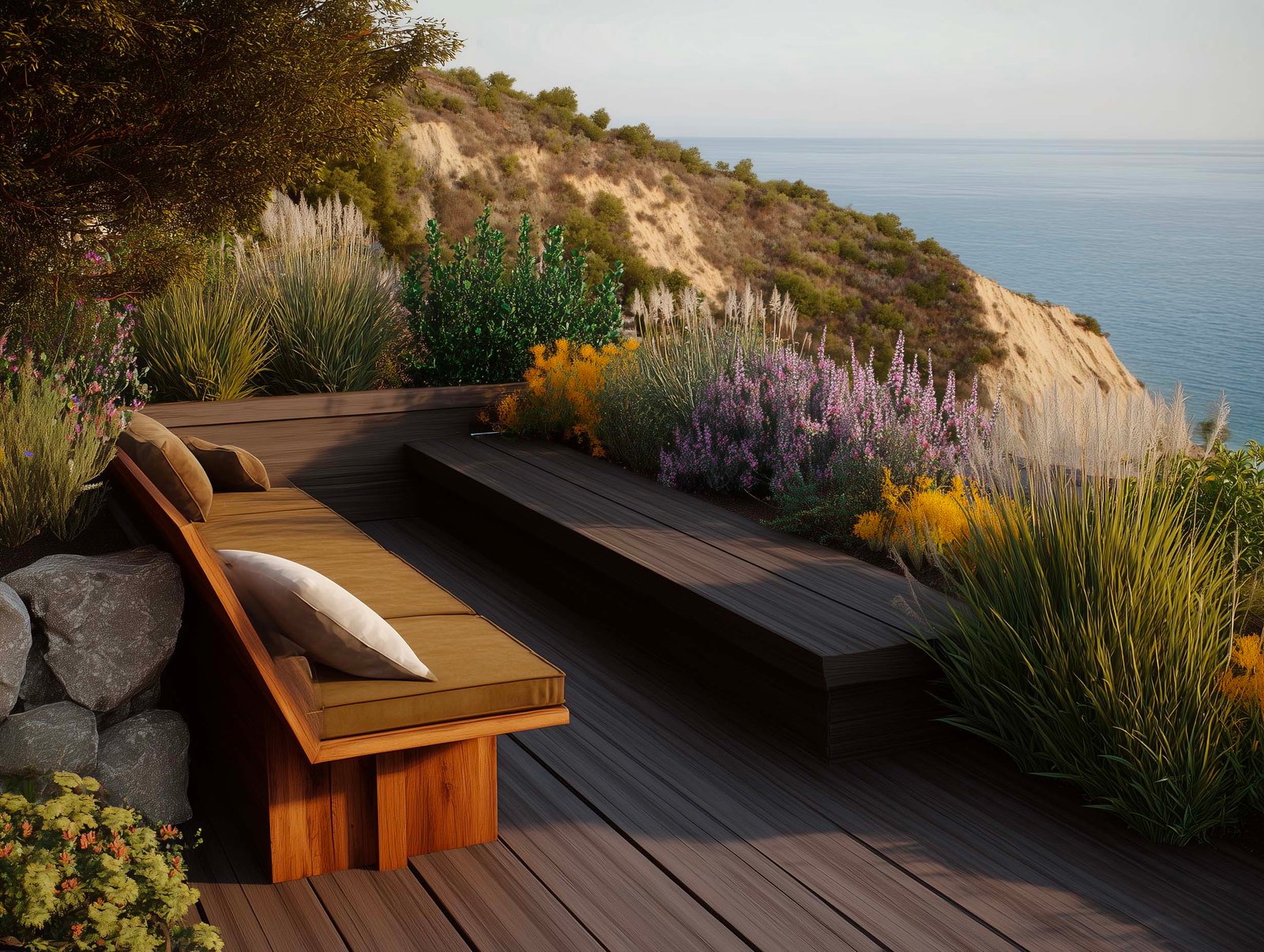
At the deepest level, gardens become interior landscapes. Designed for slowness, silence and sensory immersion, these spaces invite restoration and introspection.