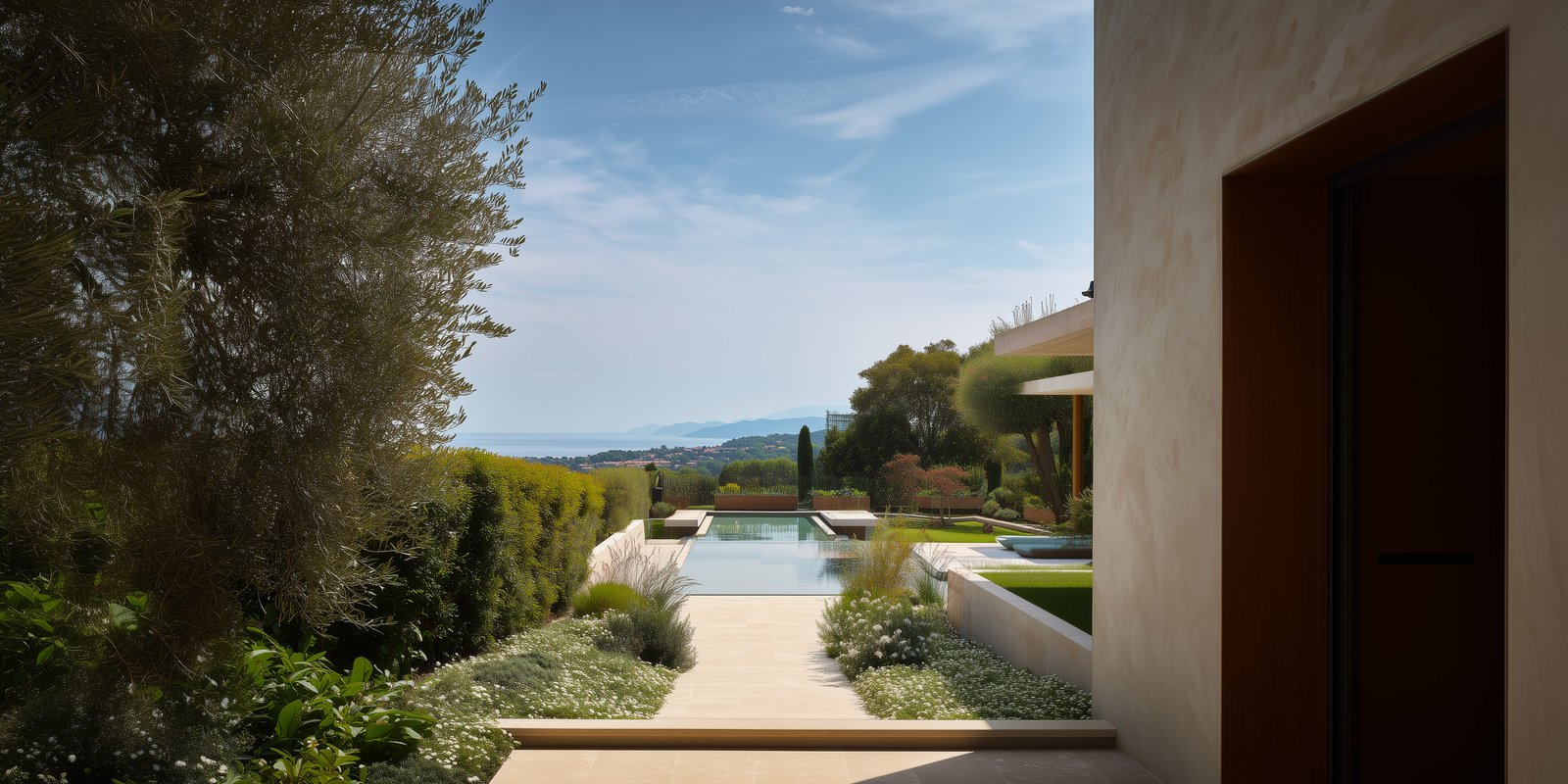
CHAPTER 04
Variations & Contexts
Interpretations across context and climate
A direction remains the same; its interpretation changes. Context transforms proportion, palette, density, and maintenance logic. This chapter shows how one language can shift from open landscapes to intimate architectural settings — without losing coherence.
Same grammar, different reading.
Climate changes growth. Culture changes use. Architecture changes scale. The role of the studio is to adapt without diluting — to protect the language while translating it.
This is where the work becomes truly collaborative: aligning intention with local realities, and making choices that will hold over time.
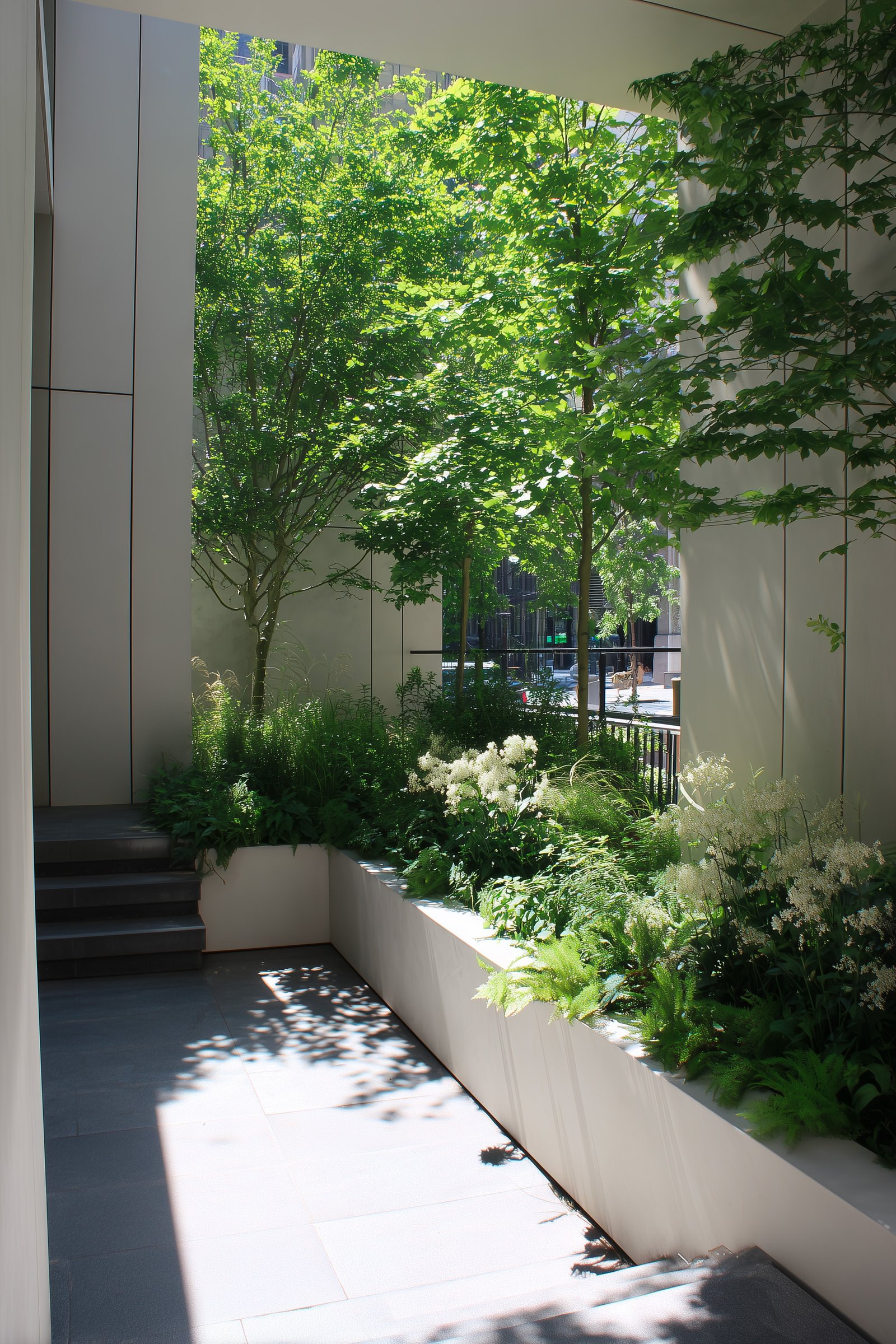
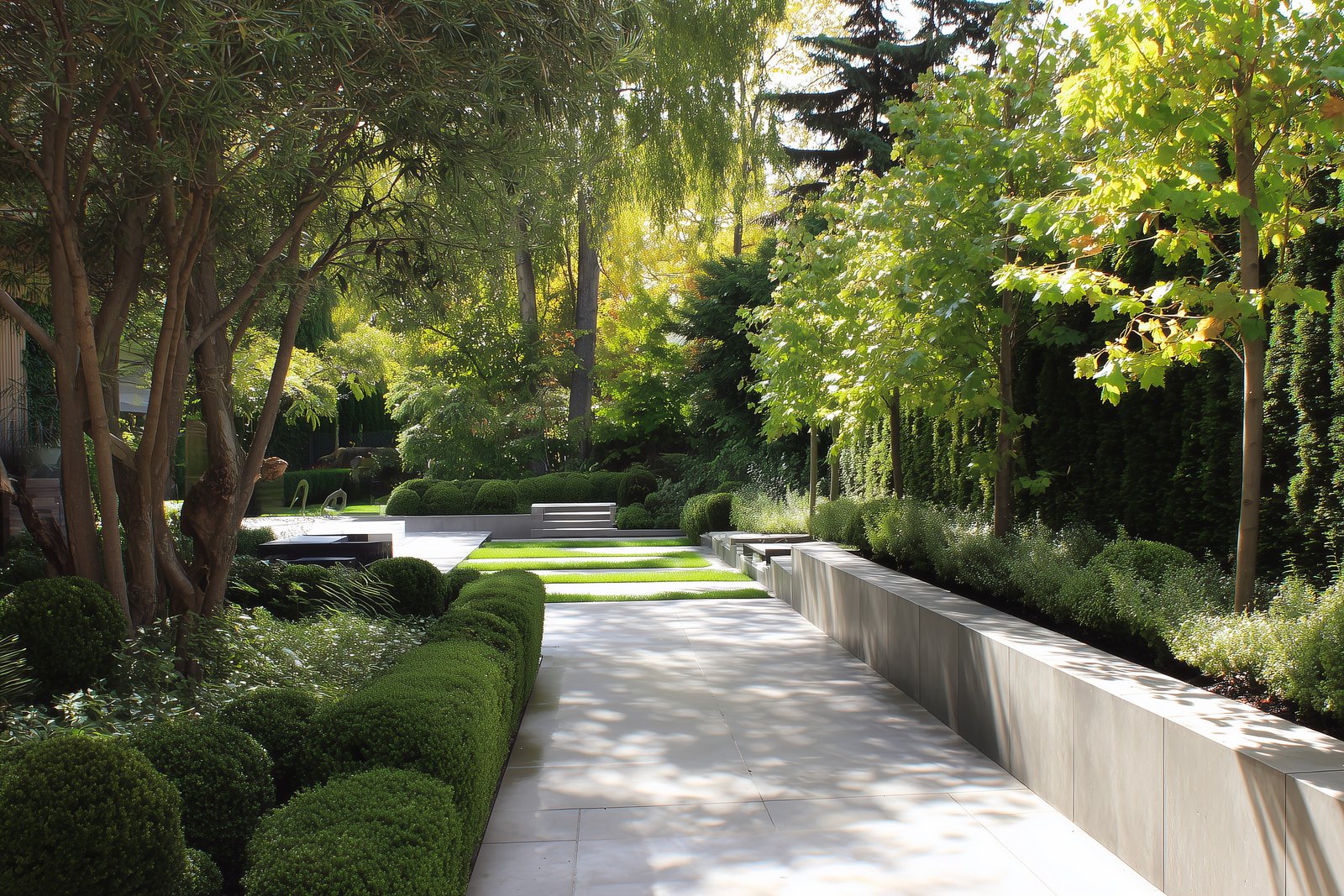
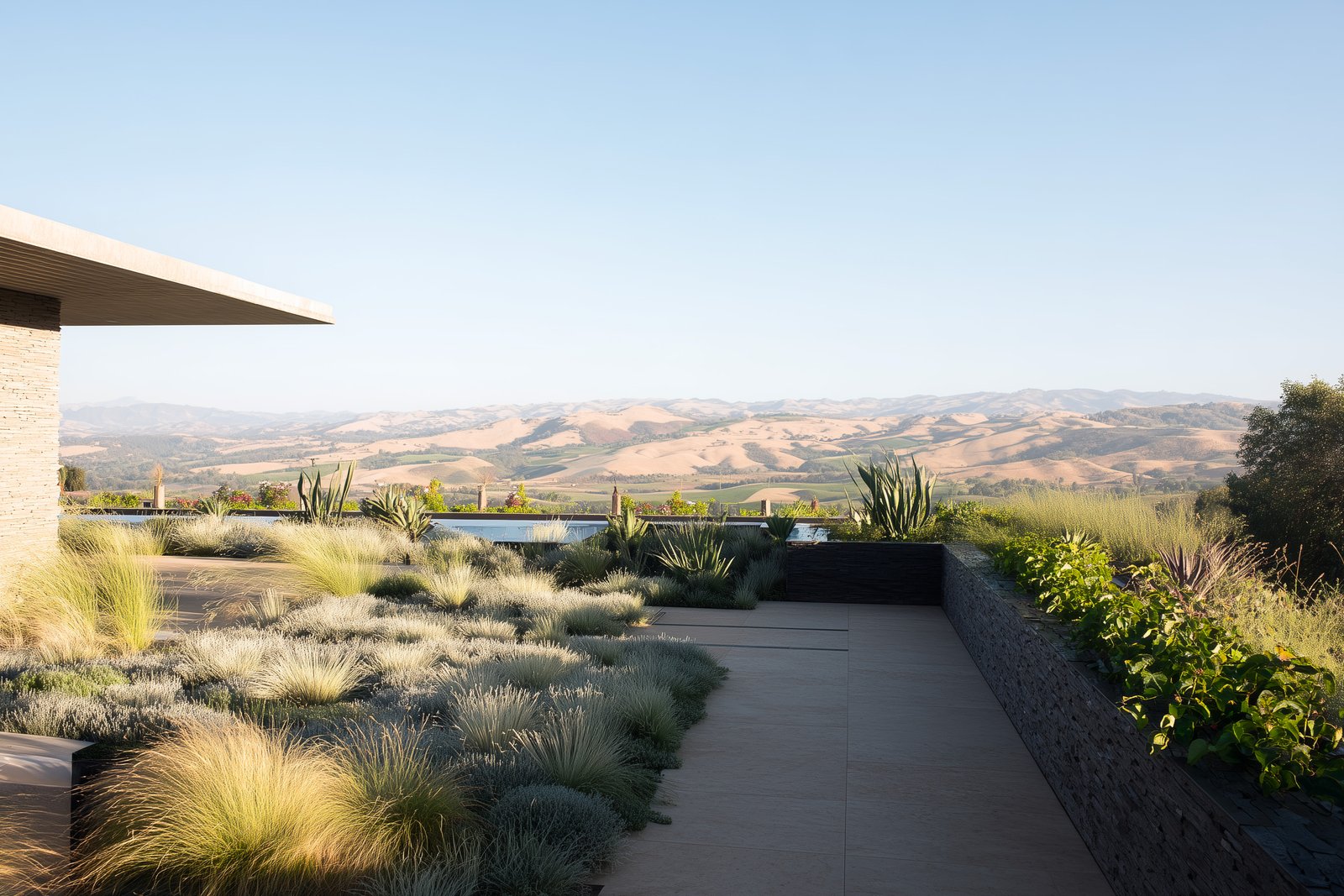
Open Landscapes — Breath, Horizon, Continuity
In open settings, botanical architecture often becomes a horizon line, a rhythm, a continuous presence. The composition must be readable from distance and in motion.
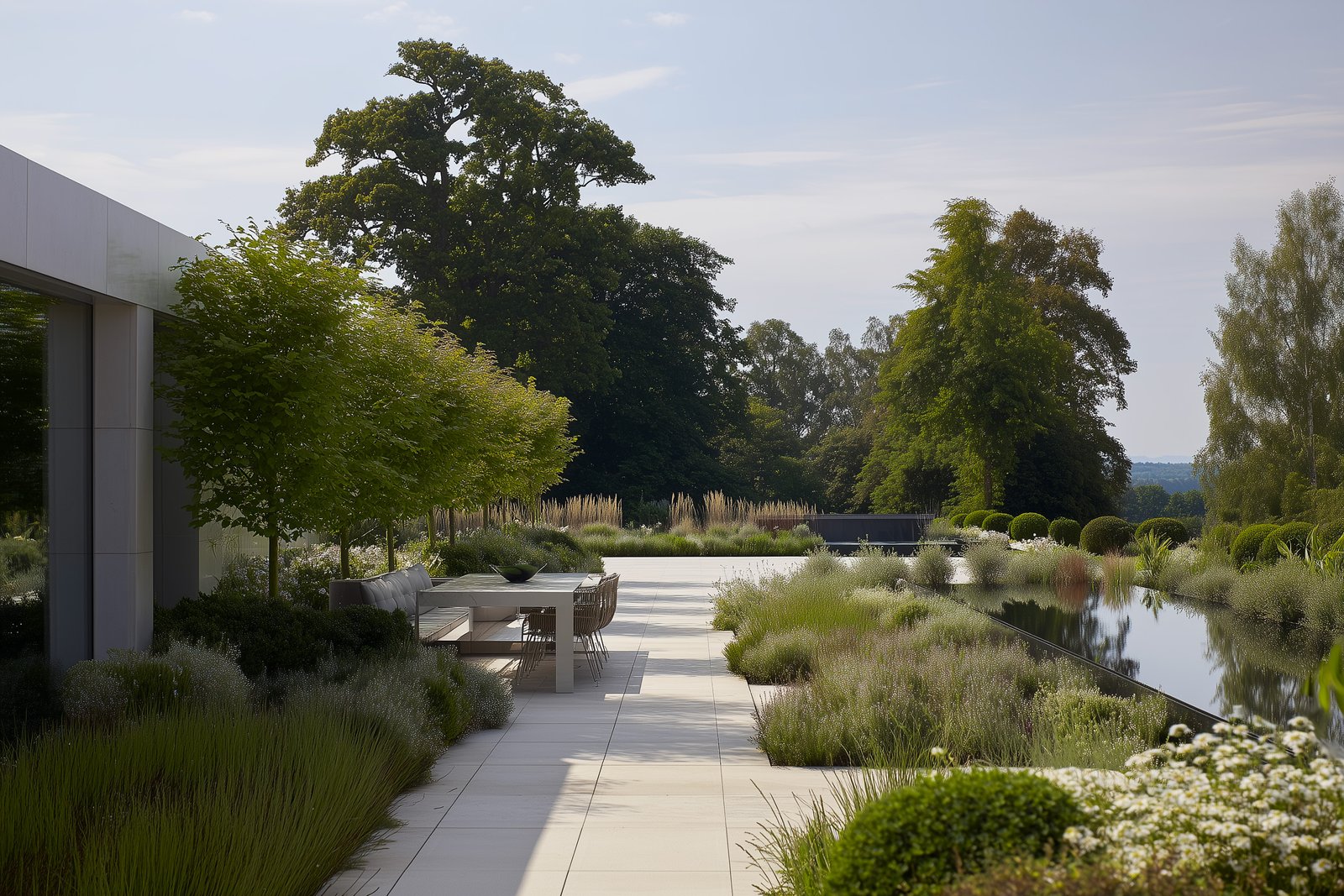
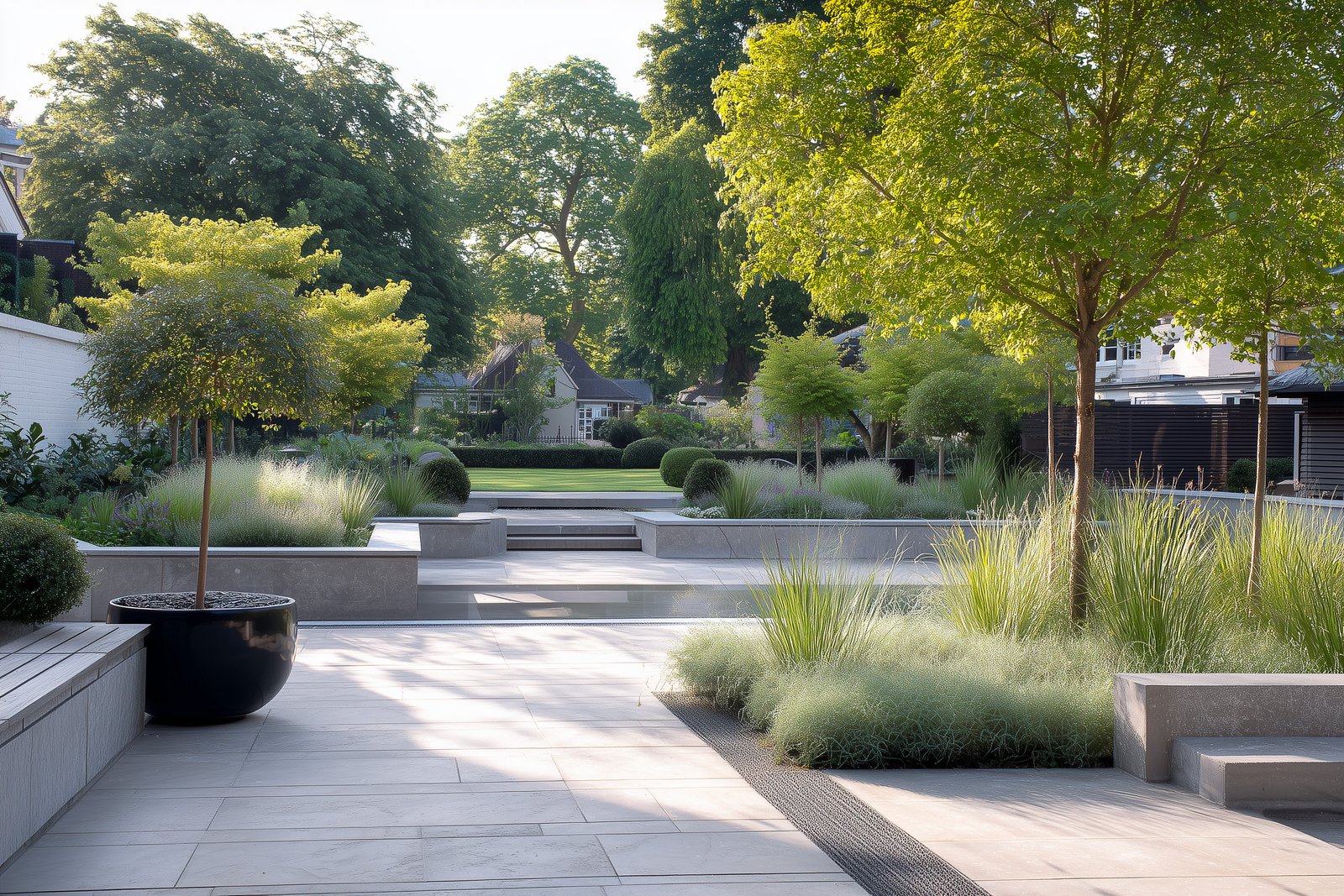
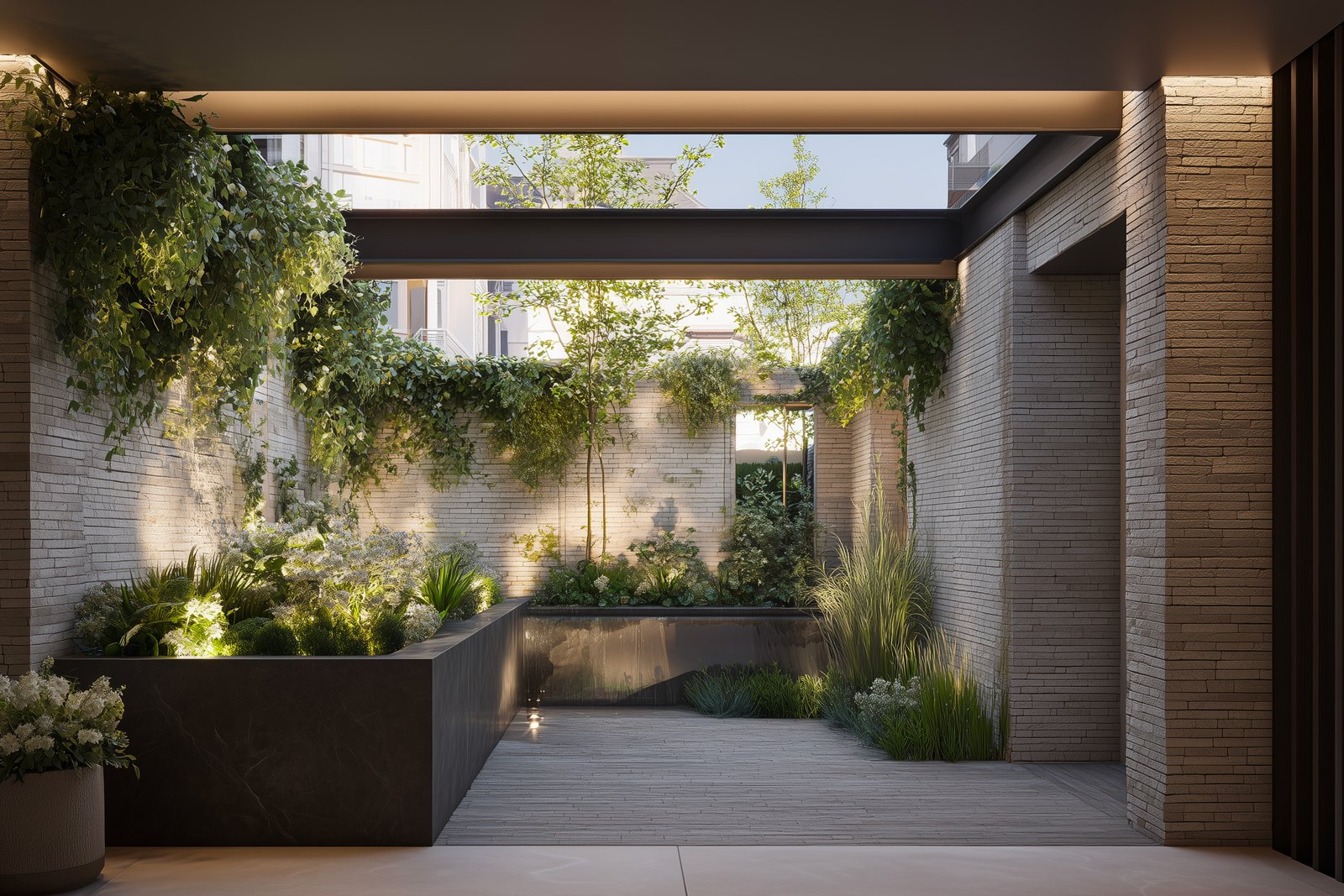
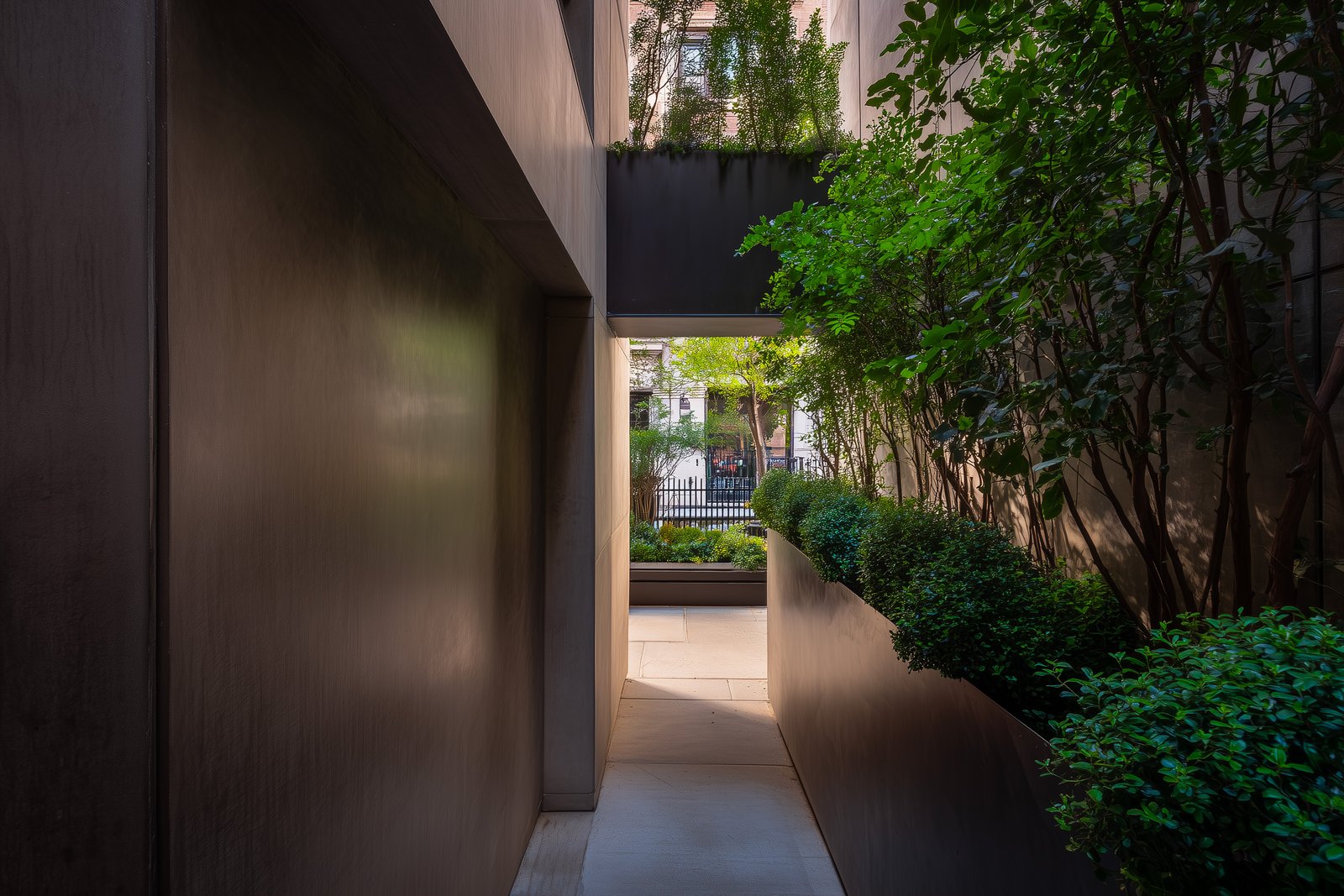
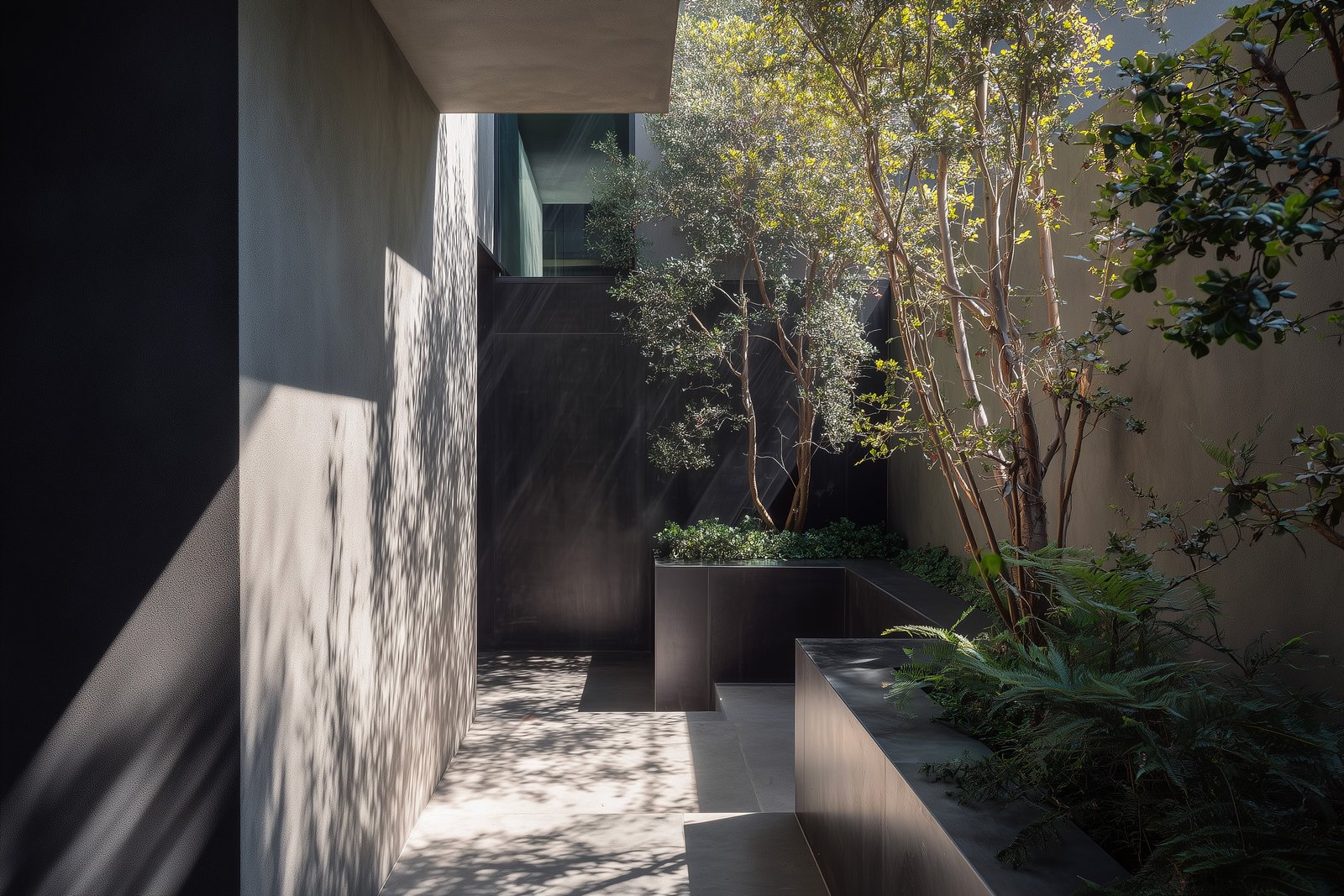
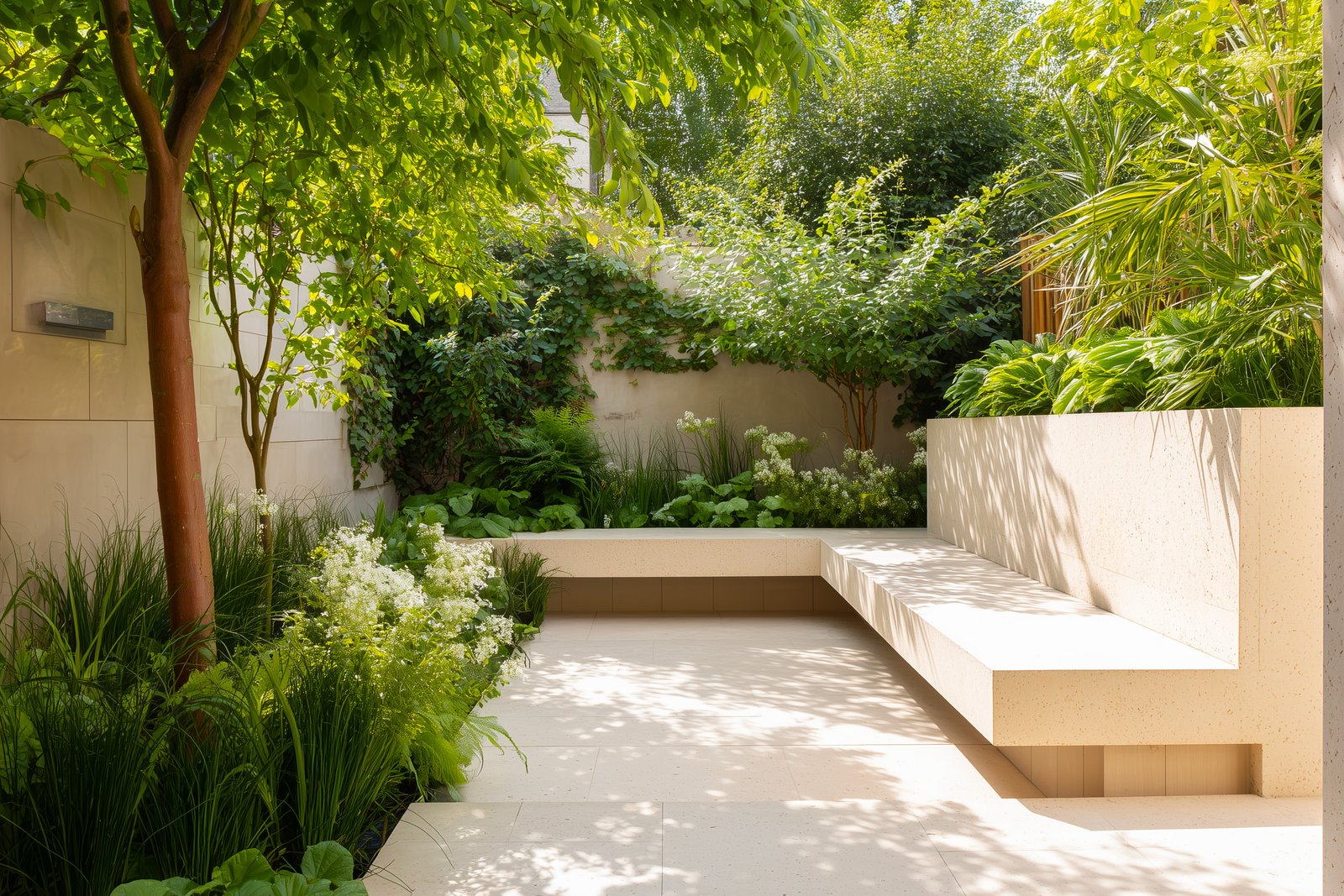
Dense Architectural Settings — Intimacy, Shadow, Precision
In tighter spaces, the language becomes more tactile: framing, compression, reveal. The palette becomes more deliberate; light and shadow become materials.
Translation Without Compromise
Variation is not a new style. It is the same language, translated with discipline — so the project remains coherent across place, time, and use.